Book on Whatsapp
9892101616

Best Diet and Lifestyle Tips for a Healthy Thyroid
Thyroid
Wed Mar 26 2025
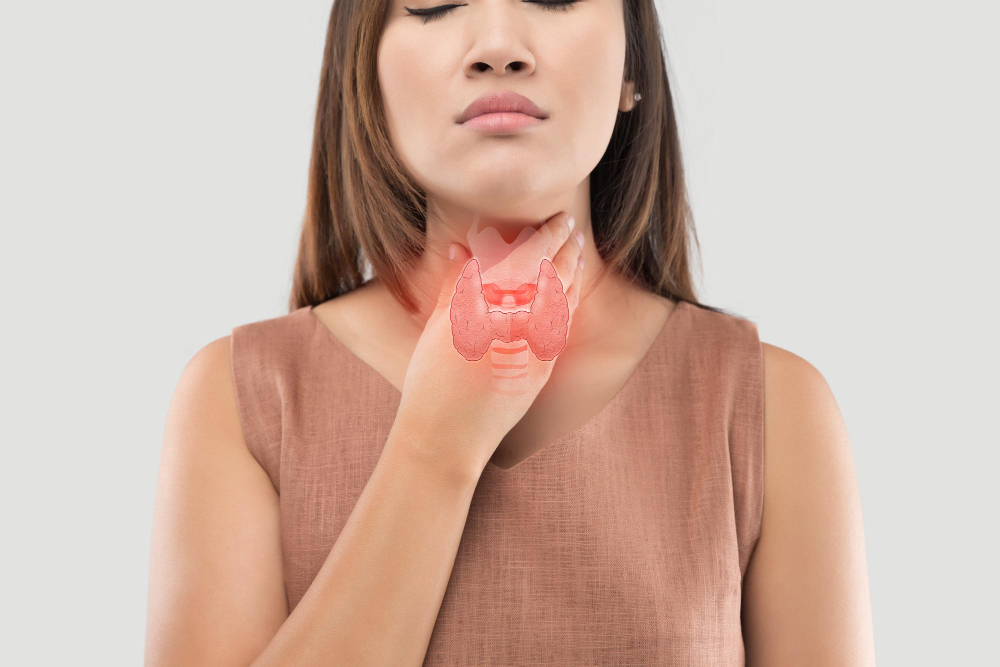
The thyroid gland plays a crucial role in regulating metabolism, energy production, and overall well-being. When the thyroid is not functioning optimally, it can lead to issues such as weight gain, fatigue, and hormonal imbalances. Maintaining a healthy thyroid requires a combination of the right diet and lifestyle choices. Here are some essential tips to keep your thyroid in good shape.
Nutrient-Rich Diet
A balanced diet with essential nutrients supports thyroid function. Some key nutrients include:
- Iodine: The thyroid needs iodine to produce hormones. Include iodine-rich foods like seaweed, iodized salt, dairy products, and fish.
- Selenium: This mineral protects the thyroid from oxidative stress and supports hormone production. Brazil nuts, sunflower seeds, and tuna are great sources of selenium.
- Zinc: Important for thyroid hormone synthesis, zinc can be found in chickpeas, nuts, and lean meats.
- Iron: Iron deficiency can slow down thyroid function. Add spinach, lentils, and red meat to your diet.
- Vitamin D: Low levels of vitamin D are linked to thyroid disorders. Get sunlight exposure and consume fortified dairy products and fatty fish.
Avoid Goitrogenic Foods in Excess
Certain foods, known as goitrogens, can interfere with thyroid function, especially when consumed in large amounts. These include cruciferous vegetables like broccoli, cauliflower, and cabbage. Cooking these vegetables reduces their goitrogenic effects, making them safer for thyroid health.
Balanced Macros for a Healthy Metabolism
Maintaining a balanced intake of proteins, healthy fats, and complex carbohydrates supports a healthy metabolism. Avoid processed foods and refined sugars that can contribute to inflammation and hormonal imbalances.
Hydration is Key
Drinking enough water is essential for overall health, including thyroid function. Proper hydration helps in digestion, metabolism, and detoxification. Aim for at least 8-10 glasses of water daily.
Regular Exercise
Physical activity boosts metabolism and supports thyroid health. Engage in moderate exercise such as walking, yoga, strength training, or swimming. However, excessive exercise can stress the thyroid, so balance is essential.
Stress Management
Chronic stress can negatively impact the thyroid by disrupting hormone production. Practices such as meditation, deep breathing, and mindfulness can help manage stress levels effectively. Prioritizing rest and relaxation is equally important.
Get Enough Sleep
Quality sleep is essential for hormonal balance. Lack of sleep can contribute to thyroid dysfunction and weight gain. Aim for 7-9 hours of restful sleep each night to support overall health.
Limit Toxins and Processed Foods
Environmental toxins, such as heavy metals and chemicals found in plastics, can disrupt thyroid function. Reduce exposure by using glass or stainless-steel containers, avoiding processed foods, and choosing organic produce when possible.
Regular Health Check-Ups
Routine thyroid function tests help detect any imbalances early. If the experience symptoms like fatigue, weight changes, or mood swings, consult a doctor for a thyroid evaluation.
Conclusion
It can concluded that the healthy thyroid depends on a balanced diet, stress management, regular exercise, and good sleep. Incorporating these lifestyle changes can improve thyroid function and overall well-being. If the suspect any thyroid issues, consult a healthcare professional for proper guidance and treatment.
Related Tests
Related Packages

TRU Care Package
What is TRU Care Package?
The most ideal test package covering most vital organs functions of the body like Complete Blood Count (CBC), Liver, Kidney, Thyroid and Diabetes which will help in screening health at the most economical rate.
₹ 799

TRU Vital Health Package - Basic
What is TRU Vital Health Package - Basic?
The most ideal test package covering most vital organs functions of the body like Complete Blood Count (CBC), Liver, Kidney, Thyroid and Diabetes which will help in screening health at the most economical rate.
₹ 1499

TRU Vital Health Package - Advance
₹ 1799

Good Health
Good Health Package
The fast-paced life can get the most of you if you don’t keep an eye on what is happening inside your body. Since you only have one body and no do-overs in life, just like regular services you get for your vehicle. Keep all your bodily functions in check with our Good Health Package. We provide a range of tests like CBC, Liver Function Test (LFT), Lipid Profile (Complete Calculated), Kidney Function Test (KFT), Urine Routine, Thyroid Profile, Glucose, Random (R) and mineral deficiency tests like Iron Studies, Calcium, Serum, ESR and HbA1C too. The test results will provide you with an insight into what kind of lifestyle you have been living and what can you do to be better at it.
₹ 999
Related Blogs

Thyroid
When Should You Be Tested for Thyroid Conditions? Early Signs You Shouldn’t Ignore
Though small and often overlooked, your thyroid gland is a powerhouse when it comes to keeping you balanced. It helps control metabolism, energy levels, heart rate, mood, digestion, and other key body processes. But it isn't always easy to identify when your thyroid is unbalanced; symptoms tend to develop gradually and can be mistaken for aging, stress, life changes, or lifestyle. Knowing when you need a Thyroid Test will allow you to catch issues early enough that they can be treated and not cause long-term health problems.
The hormones your thyroid make help control how every cell in your body works. Just a little imbalance can cause physical fatigue, mental confusion, and emotional instability. So many go undiagnosed for years simply because the signs all feel “normal” or tolerable in the beginning.
Early testing allows you to:
- Identify imbalances before symptoms become severe
- Avoid heart, metabolic, and fertility problems
- Initiate time management and lifestyle changes
Warning Symptoms That You May Have a Thyroid Disorder
Thyroid-related symptoms often appear gradually. If any of the below symptoms seem to be consistent, then it might be time to do a Thyroid Profile Test.
- Chronic Fatigue and Low Energy: If you are sleeping enough, but constantly feeling tired, this is one of the biggest symptoms of a thyroid imbalance. A sluggish thyroid can drag your metabolism and energy levels down with it.
- Weight Changes: In the case of hypothyroidism, some individuals notice unusual weight gain without modifying their diet or activity habits. On the other hand, unexplained weight loss may indicate hyperthyroidism.
- Hair Loss, Dry Skin, Weak Nails: While losing hair doesn't seem like it's a big deal (other than it being devastating to those diagnosed), or dry and brittle nails may appear inconsequential on the surface, they are pretty major red flags that can suggest an issue with your thyroid hormone levels.
- Mood Swings or Anxiety and Depression: As your brain activity slows due to low levels of thyroid hormones, you might be experiencing the blues as well or tend toward anxiety.
- Irregular Menstruation and Infertility: Low thyroid function can also lead to missed or heavy periods, as well as irregular menstrual cycles, in both men and women.
Who Should Consider Regular Thyroid Testing?
You may need a Thyroid Test if you:
- Have a family history of thyroid disease
- Are pregnant or planning to become pregnant
- Have autoimmune conditions such as diabetes or PCOS
- Experience persistent, unexplained symptoms
- Are between 30–35 years old and have never been tested
Many people at higher risk are encouraged to get regular screenings—even without obvious symptoms.
What Does a Thyroid Profile Test Include?
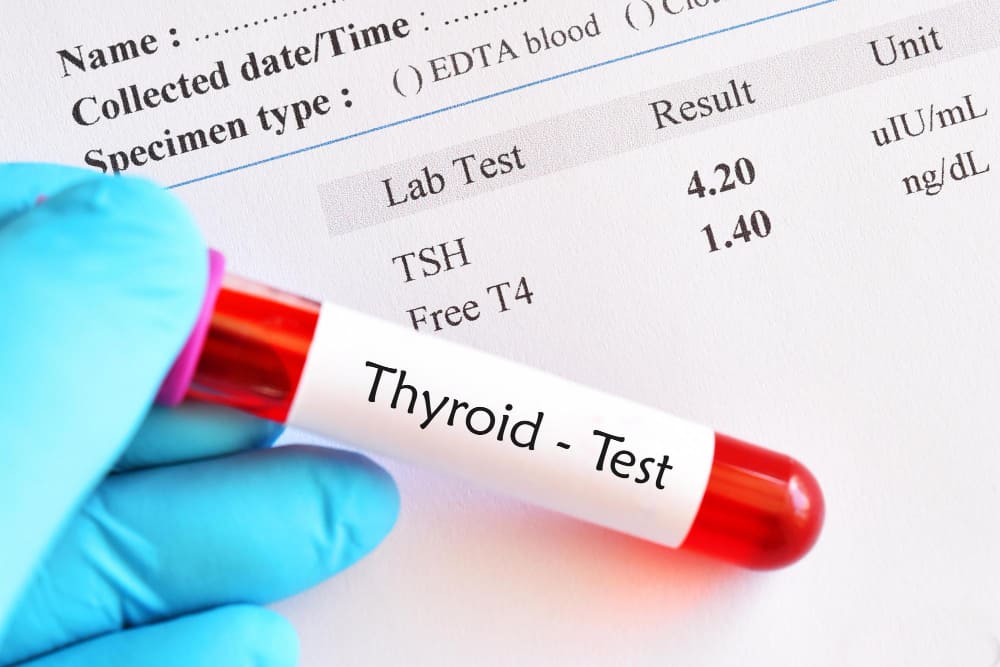
A Thyroid Profile Test measures vital hormones like TSH, T3, and T4 to assess how efficiently your thyroid is functioning. Rather than relying solely on symptoms , this test provides accurate insights to help doctors diagnose thyroid issues and create effective treatment plans.
How Early Testing Matters
However, thyroid disease is highly treatable if diagnosed early. Late diagnosis can lead to complications, including heart problems, continued tiredness, and weight management or reproductive health issues. It’s crucial to know what the early signs are and that you get tested on time so your general health is closer to par.
Paying attention to our bodies and seeing our chronic warning signals is of paramount importance. If you have these signs and they haven’t resolved or are impacting the quality of your life, then a simple Thyroid Profile Test could provide some peace of mind. With the right diagnosis and treatment, it’s much easier to keep your thyroid healthy — and you can get on with living life.
Thyroid
Thyroid Problems Peak in Winter: Why TSH, T3, T4 Testing Is Essential
Winter brings with it a marked change in lifestyle, food, and physiological activities. Though this season is enthusiastically awaited because of the pleasant stimulating effect of the cold breeze and fun-filled environment, it can quietly worsen a medical condition in a majority of people, thyroid dysfunction being foremost among them. Observations have proved that thyroid ailments, especially hypothyroidism, reach their peak during this time of the year, thus emphasizing the need for proper thyroid function tests, T3, and T4 during this time.
The thyroid functions to regulate metabolism, temperature, energy, and hormones in a human being. During winter, the energy requirements in a human being change, considering the need to maintain warmth in the body. The thyroid gland will have to work extra hard during this time. Furthermore, a weakened thyroid in an individual will experience worsened hormonal imbalances. A lower amount of sun exposure, reduced levels of vitamin D, and an imbalance in circadian rhythms impact thyroid dysfunction.
Hypothyroidism, a sickness where the thyroid glands are not able to produce sufficient hormones, is especially common during the winter months. Symptoms include tiredness, a gain in weight, a lack of elasticity in the skin, thinner hair, depression, and being overly sensitive to cold, all of which are normally associated with winter fatigue but end up being mistaken for it. As a consequence, most people suffer needlessly before being tested because of this sickness, making thyroid function tests absolutely vital in this case.
TSH Test
The main screening tool for thyroid dysfunction is called TSH, which stands for Thyroid-Stimulating Hormone Test. TSH measures "how strongly a patient's pituitary gland is stimulating their thyroid to make hormones." When TSH levels become higher than normal, this can indicate an underactive thyroid, but lower levels can be an indication of hyperthyroidism. However, TSH tests by themselves don't provide a full diagnosis.
T3 (Triiodothyronine) and T4 (Thyroxine) tests assess the true level of thyroid hormones in the blood serum. T4 is referred to as a main hormone produced in the thyroid gland, while T3 is called a metabolically active hormone with a direct influence on metabolism. Assessment of T3 and T4 levels along with TSH measurements will help doctors to clearly establish the type and level of thyroid organ dysfunction in patients with symptoms not so different from those with seasonal fatigue.
Women, people over 30 years of age, expecting mothers, and those with a history of thyroid problems in their families need to have thyroid function tests performed on them. Untreated thyroid disorders can cause serious side effects such as infertility, menstrual disorders, cardiovascular diseases, intellectual disability, and an impaired immune system. Blood tests will help in the early identification of any thyroid imbalance and thus prevent serious consequences.
Moreover, during this time of the year, people indulge in food and are not very active physically. Such factors can influence treatment in patients with thyroid diseases. doctors can monitor thyroid levels in order to adjust medicines if necessary.
Conclusion
As a closing statement, winter is not only a season of discontent but is also a very important time when thyroid function matters a lot. Due to the subtle nature of thyroid symptoms, it is important to go for tests without fail. TSH, T3, and T4 tests can be of immense importance in understanding thyroid function and can thus help in coping with it effectively.
This winter and New Year season, don’t let thyroid issues go unnoticed. Manipal TRUtest offers accurate thyroid profile testing, preventive health packages, and convenient home sample collection services.
Start the New Year with balance and confidence—book your thyroid tests today and take charge of your health.
Thyroid
Role of Advanced Diagnostic Tests in Thyroid Cancer Detection
Thyroid cancer is one of the most common endocrine malignancies, and its incidence has been steadily increasing worldwide. Although many thyroid cancers progress slowly, early detection is crucial to ensure effective treatment and improved survival rates. Traditionally, physical examination and basic imaging were the primary methods for identifying thyroid abnormalities. However, with advancements in medical technology, modern diagnostic tests have significantly enhanced the accuracy of thyroid cancer detection. These advanced tools not only help in early diagnosis but also guide treatment decisions and reduce the risk of unnecessary interventions.
Ultrasound Imaging
High-resolution ultrasound is the first-line diagnostic tool for evaluating thyroid nodules. It provides detailed information about the size, shape, and texture of nodules. Features such as irregular margins, microcalcifications, and hypoechogenicity can indicate a higher risk of malignancy. Doppler ultrasound further assists by evaluating blood flow patterns, improving differentiation between benign and malignant nodules.
Fine-Needle Aspiration Biopsy (FNAB)
FNAB remains the gold standard for diagnosing thyroid cancer. Under ultrasound guidance, a thin needle is used to collect cells from suspicious nodules. These samples are then examined under a microscope to determine if cancerous changes are present. Although highly reliable, FNAB sometimes yields indeterminate results, which has prompted the development of additional molecular and genetic testing.
Molecular and Genetic Testing
One of the most significant advancements in thyroid cancer detection is the use of molecular diagnostics. Tests that analyze genetic mutations, such as BRAF, RAS, RET/PTC, and PAX8/PPARγ, help improve diagnostic accuracy when FNAB results are inconclusive. Identifying these mutations not only aids in diagnosis but also provides insights into the aggressiveness of the cancer and helps tailor targeted therapies.
Thyroglobulin Testing
Thyroglobulin is a protein produced by the thyroid gland. While it is not used as an initial diagnostic tool, it plays a vital role in monitoring patients after thyroid cancer treatment. Elevated levels of thyroglobulin in patients who have undergone thyroid removal may suggest cancer recurrence.
Radionuclide Scans
Nuclear medicine imaging, particularly using radioactive iodine (I-123 or I-131), is valuable for assessing thyroid function and detecting cancer spread. These scans help determine whether a thyroid nodule is “hot” (overactive and usually benign) or “cold” (underactive and potentially malignant). Post-treatment scans are also essential for monitoring residual thyroid tissue or metastasis.
Positron Emission Tomography (PET) Scans
PET scans, often combined with CT, are used in advanced cases where other tests may not clearly detect cancer spread. They are particularly useful in patients with aggressive thyroid cancers or when standard radioactive iodine scans are negative. PET scans provide a whole-body overview, allowing for comprehensive staging of the disease.
The Importance of Early and Accurate Diagnosis
Advancements in diagnostic technology have transformed thyroid cancer management. Early and precise detection ensures patients receive the most suitable treatment—whether surgery, radioactive iodine therapy, or targeted molecular approaches—while avoiding unnecessary interventions in benign cases.
From high-resolution imaging and FNAB to molecular testing and PET-CT scans, these innovations enable doctors to diagnose with greater confidence and tailor treatments for the best outcomes.
Your Partner in Accurate Thyroid Diagnostics – Manipal TRUtest
At Manipal TRUtest Diagnostics, we combine advanced imaging with cutting-edge molecular and pathology testing to ensure precise thyroid cancer detection and monitoring. Our state-of-the-art facilities and expert teams help detect abnormalities early, enabling timely treatment and better recovery outcomes.
Book your Thyroid Profile or Cancer Marker Test today at your nearest Manipal TRUtest center and take a proactive step toward safeguarding your health.