Book on Whatsapp
9892101616

Busting Popular Myths about Epilepsy
Neuro
Mon Feb 12 2024
Epilepsy is a neurological disorder characterized by recurrent seizures. Unfortunately, there are several myths and misconceptions surrounding epilepsy. Let's bust some of the popular myths and raise awareness about this condition:
Myths versus Facts
Myth 1: Epilepsy is contagious.
Fact: Epilepsy is not contagious. It is a neurological condition that affects the individual's brain function. You cannot catch epilepsy from someone who has it, nor can you transmit it to others.
Myth 2: Only children can have epilepsy.
Fact: Epilepsy can affect anyone, regardless of age. While it's true that some types of epilepsy are more common in childhood, epilepsy can develop at any stage of life, including adolescence and adulthood.
Myth 3: All seizures involve convulsions and loss of consciousness.
Fact: Seizures can vary widely in their presentation. While some seizures do involve convulsions and loss of consciousness, numerous other types of seizures may present as temporary confusion, staring spells, unusual sensations, or uncontrolled movements, without the person losing consciousness.
Myth 4: People with epilepsy are mentally impaired.
Fact: Epilepsy and intellectual ability are not directly related. While some individuals with epilepsy may also have learning disabilities or cognitive impairments, the majority of people with epilepsy have average or above-average intelligence.
Myth 5: People with epilepsy should avoid physical activities and sports.
Fact: People with epilepsy can safely participate in various physical activities and sports. Individuals with epilepsy need to manage their condition effectively, follow their treatment plan, and take necessary precautions. In many cases, with proper management and medical advice, people with epilepsy can lead active and fulfilling lives.
Myth 6: Epilepsy can be cured with alternative therapies or herbal remedies.
Fact: Epilepsy is a complex neurological condition that typically requires medical treatment, such as the use of anti-seizure medications. While some complementary therapies may provide supportive benefits for some individuals with epilepsy, they should be seen as adjuncts to medical treatment, not as standalone cures.
Myth 7: People with epilepsy cannot hold regular jobs or live independently.
Fact: With appropriate medical management and support, most people with epilepsy can lead productive lives, pursue careers, and live independently. Epilepsy does not necessarily limit one's ability to work or engage in daily activities, although some safety considerations may need to be taken into account depending on the nature of the seizures.
By dispelling these myths, we can promote a better understanding of epilepsy and support individuals living with this condition. It is crucial to spread accurate information to reduce stigma, provide support, and encourage inclusivity for those with epilepsy.
Manipal TRUtest offers a wide range of diagnostic services with assured quality, accuracy, and trust backed by 70 years of Manipal legacy. You can easily schedule a blood test, MRI, X-RAY, CT-Scan, PET-CT-Scan and more Radiology services through our WhatsApp Chatbot, Mobile App, or Website. You can visit the nearest Manipal TRUtest Centre.
Reference Links:
OUR PRESENCE
Blood Test Centre in India
Blood Test Center in Hyderabad / Blood Test Center in Kolkata / Blood Test Center in Vizag / Blood Test Center in Mumbai / Blood Test Center in Ghatkopar / Blood Test Center in Kolhapur / Blood Test Center in Pune / Blood Test Center in Solapur / Blood Test Center in Rohtak / Blood Test Center in Indore / Blood Test Center in Gurugram / Blood Test Center in Ghaziabad/ Blood Test Center in Bangalore / Blood Test Center in Nashik / Blood Test Center in Nagpur
CT-Scan Centres in India
CT Scan Centre in Bhiwani/ CT Scan Centre in Gurugram/ CT Scan Centre in Jind / CT Scan Centre in Hisar/ CT Scan Centre in Kaithal/ CT Scan Centre in Kurukshetra / CT Scan Centre in Mewat/ CT Scan Centre in Sonipat/ CT Scan Centre in Panchkula/ CT Scan Centre in Panipat / CT Scan Centre in Rohtak/ CT Scan Centre in Yamunanagar/ CT Scan Centre in Daltonganj / CT Scan Centre in Deoghar/ CT Scan Centre in Dhanbad / CT Scan Centre in Dumka/ CT Scan Centre in Hazaribagh/ CT Scan Centre in Koderma/ CT Scan Centre in Ranchi/ CT Scan Centre in Simdega/ CT Scan Centre in Bangalore/ CT Scan Centre in Mangaluru / CT Scan Centre in Manipal / CT Scan Centre in Ghatkopar
PET-CT Scan Centres in India
PET- CT Scan Centre in Vijayawada / PET-CT Scan Centre in Manipal / PET-CT Scan Centre in Jaipur / PET-CT Scan Centre in Kanchipuram / PET-CT Scan Centre in Goa
Ultrasound Centres in India
Ultrasound Scan in Deoghar / Ultrasound Scan in Dumka / Ultrasound Scan in Bokaro Steel City / Ultrasound Scan in Chaibasa / Ultrasound Scan in Giridih / Ultrasound Scan in Godda / Ultrasound Scan in Gumla / Ultrasound Scan in Khunti /Ultrasound Scan in Jamtara / Ultrasound Scan in Pakur / Ultrasound Scan in Simdega / Ultrasound Scan in Manipal / Ultrasound Scan in Ghatkopar East / Ultrasound Scan in Garhwa / Ultrasound Scan in Jamshedpur
MRI Scan Centres in India
MRI Scan in Bhiwani / MRI Scan in Gurugram / MRI Scan in Hisar / MRI Scan in Mewat / MRI Scan in Panchkula / MRI Scan in Rohtak / MRI Scan in Sonipat / MRI Scan in Ranchi / MRI Scan in Bangalore / MRI Scan in Bhubaneswar / MRI Scan in Cuttack
X-Ray Centres in India
X-Ray Centres in Chaibasa / X-Ray Centres in Chatra / X-Ray Centres in Deoghar / X-Ray Centres in Dumka / X-Ray Centres in Garhwa / X-Ray Centres in Giridih / X-Ray Centres in Godda / X-Ray Centres in Gumla / X-Ray Centres in Jamshedpur / X-Ray Centres in Jamtara / X-Ray Centres in Khunti / X-Ray Centres in Latehar / X-Ray Centres in Pakur / X-Ray Centres in Ramgarh / X-Ray Centres in Sahibganj / X-Ray Centres in Simdega / X-Ray Centres in Ghatkopar
ECG Centres in India
ECG Test in Bokaro Steel City / ECG Test in Chatra / ECG Test in Deoghar / ECG Test in Dumka / ECG Test in Garhwa / ECG Test in Giridih / ECG Test in Gumla / ECG Test in Jamshedpur / ECG Test in Jamtara / ECG Test in Khunti / ECG Test in Ramgarh / ECG Test in Simdega / ECG Test in Ghatkopar
Ref. Links: https://www.huffpost.com/archive/ca/entry/busting-myths-about-epilepsy_b_5369230
https://www.valleychildrens.org/blog/epilepsy-13-epilepsy-myths-busted
https://health.clevelandclinic.org/13-common-epilepsy-myths-debunked
Related Blogs

Neuro
Lifestyle and Diet Strategies to Reduce Alzheimer’s Risk
Alzheimer’s disease, a progressive condition that gradually impairs memory and thinking, is emerging as a global health concern. While genetics can influence its onset, growing research highlights that lifestyle habits and dietary patterns play a major role in lowering the risk of cognitive decline. By making intentional choices every day, one can protect brain health and significantly reduce the chances of developing this debilitating disorder.
1. Follow a Brain-Boosting Diet
Nutrition is the foundation of a healthy mind. The MIND diet, a blend of the Mediterranean and DASH (Dietary Approaches to Stop Hypertension) diets, has shown promising results in delaying cognitive decline. It focuses on wholesome, plant-based foods and encourages:
- Leafy green vegetables: At least six servings a week to ensure adequate intake of folate and Vitamin E.
- Berries: Especially blueberries and strawberries, rich in flavonoids that shield brain cells from oxidative damage.
- Nuts and olive oil: Packed with healthy fats and antioxidants that nourish nerve cells.
- Fatty fish: Such as salmon or mackerel, eaten weekly for their omega-3 fatty acids (DHA and EPA) that support neuron structure and reduce inflammation.
At the same time, it is advisable to limit red meat, butter, cheese, fried foods, and sugary pastries, which are high in saturated fats known to harm both heart and brain health.
2. Stay Physically Active
Exercise benefits not just the body but also the mind. Regular aerobic activities such as brisk walking, swimming, or cycling enhance blood circulation, supplying the brain with vital oxygen and nutrients. Studies have shown that exercise helps enlarge the hippocampus, the part of the brain responsible for memory and learning.
Aim for at least 150 minutes of moderate exercise per week to promote brain cell growth and enhance mental resilience.
3. Keep Your Mind Engaged
Mental stimulation helps build cognitive reserve, allowing the brain to adapt and stay sharp with age. Activities that challenge the mind — like learning a new language or musical instrument, solving puzzles, reading, or exploring creative hobbies — can delay cognitive decline. Remember, the brain thrives on use, so staying curious and mentally active is key.
4. Protect Your Heart to Protect Your Brain
The health of your heart and brain is deeply interconnected. Medical conditions such as high blood pressure, diabetes, and high cholesterol increase the risk of Alzheimer’s and other dementias. Managing these through prescribed medication, a balanced diet, and exercise is vital. Routine health check-ups and early diagnosis can play a critical role in maintaining long-term brain wellness.
5. Make Sleep a Priority
Restful sleep is essential for memory formation and brain repair. During deep sleep, the brain’s glymphatic system clears out toxins, including amyloid-beta, the protein that accumulates in Alzheimer’s disease. Strive for 7–8 hours of uninterrupted sleep every night. If you experience sleep disorders such as insomnia or sleep apnea, seeking medical help is important to protect long-term brain function.
6. Stay Socially Connected
Humans are social beings, and maintaining strong relationships contributes significantly to mental well-being. Meaningful conversations, group activities, and emotional connections help lower stress and prevent depression, two factors closely linked to memory loss. Staying socially active helps keep the mind engaged and the mood balanced.
Conclusion
Preventing Alzheimer’s is not about one single remedy; it’s about embracing a balanced lifestyle that supports overall well-being. A nutritious diet, regular exercise, continuous learning, good sleep, and strong social ties together form the strongest defense against cognitive decline.
At Manipal TRUtest, we believe that early awareness and preventive health screening are the keys to lifelong wellness. Through comprehensive diagnostic services and advanced testing facilities, you can proactively monitor your health and take steps to protect your brain and body for the years ahead.
Neuro
Early Signs of Brain Tumors and Why Timely Care Matters
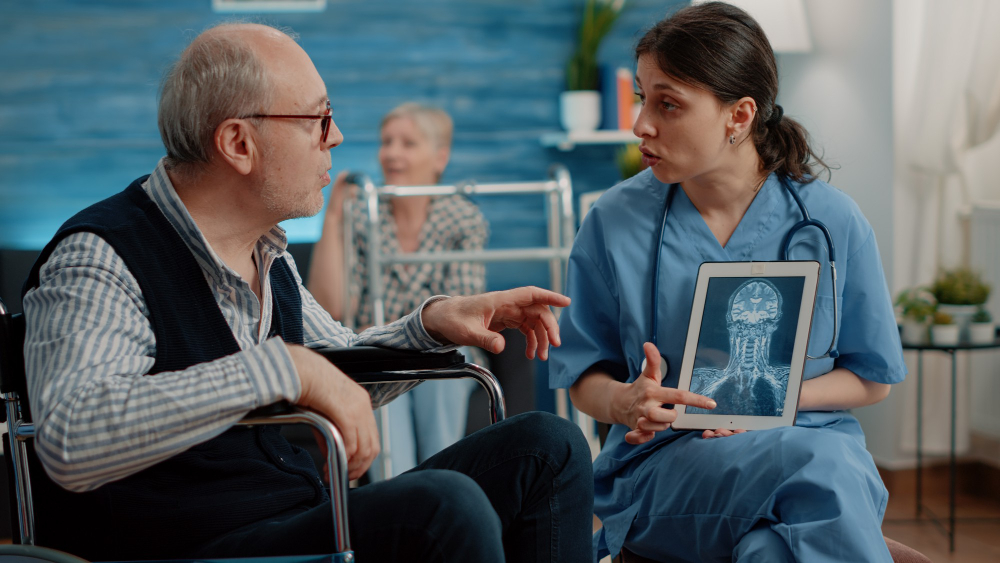
Being aware of the early signs can help prevent further escalations and avail of immediate treatment. Moreover, timely treatment helps provide better outcomes. Awareness is crucial to ensure effective treatment.
What do you understand by Brain tumor?
Your brain may experience abnormal cell growth, which can be either malignant or benign. The former is non-cancerous, but the latter is cancerous. Whatever the type, a tumour that develops inside the skull pressurizes the region. It affects the brain’s routine functions. Even small-sized tumours may cause serious health implications. Hence, it is important to recognize the symptoms.
Some common early signs of brain tumors
Recognizing them helps save precious lives. They are:
- Vomiting and Nausea: This may indicate that tumour pressure intensity is increasing within the skull. It is a concern, especially if it occurs in the morning hours.
- Persistent headaches: if brain tumours cause headaches, then it requires immediate treatment.
- Numbness: You may experience tingling sensations. You might have difficulty holding things, walking, or performing regular tasks.
- Hearing or vision problems: Brain tumours might press these nerves. Such issues could cause peripheral vision loss, double or blurred vision, or ringing in the ears.
- Seizures: Tumors might irritate tissues inside the brain, resulting in abnormal electrical activity.
- Loss of Balance or Coordination: You may experience struggles with walking, hand movements, or feel dizzy.
- Difficulty in speaking: While speaking, your words might be slurred. It might indicate the brain is having trouble with the language centers.
- Memory problems and feeling confused: Brain tumors might affect memory and thinking ability, including your personality. Some early signs include forgetfulness, being confused even with trivial matters, behavioral changes, and difficulty concentrating.
Delay in diagnosis may lead to -
- Reduced mortality
- Improved outcomes: Early diagnosis of the problem encourages timely intervention. It also leads to less aggressive treatments with improved recovery.
- Custom treatment: Customized treatment plans to ensure faster recovery.
- Neurological deficits: Prompt diagnosis reduces long-term disabilities and promotes brain function.
- Better life quality: Prompt treatment helps patients recover faster from the ailment and lead a better quality of life. It also helps prevent further complications.
Brain tumour is a serious issue. Don’t wait for symptoms to become severe. Seek prompt medical remedy!
Neuro
October Marks CMT Awareness Month: Shedding Light on a Rare Neurological Condition
Charcot-Marie-Tooth disease (CMT) affects an estimated 25,000 individuals, making it the most common inherited neurological disorder across the globe. Despite its prevalence, public awareness of CMT remains surprisingly low, with limited understanding even within the medical community. This knowledge gap can delay early diagnosis and access to effective management resources for those impacted by the disease.
CMT Awareness Month is observed every October to bridge this awareness gap, with dedicated campaigns and outreach led by advocacy groups. These initiatives aim to educate the public, support those with CMT, and improve early diagnosis and treatment options through a better-informed medical network.
Understanding CMT Disease
Charcot-Marie-Tooth disease is a hereditary condition that progressively damages peripheral nerves, primarily impacting muscle function and sensory perception in the arms, hands, legs, and feet. CMT causes muscles to weaken, leading to difficulty with mobility and coordination. Symptoms can vary in severity, but some of the most common include muscle weakness, loss of sensation in the extremities, and balance issues.
One notable symptom is "foot drop," where individuals cannot lift the front part of the foot, often leading to walking difficulties and falls. Additionally, physical deformities in the hands or feet can develop, sometimes requiring orthotic aids or surgery. According to recent surveys, many with CMT experience the onset of symptoms before age 20, with muscle weakness, fatigue, and foot drop being the most reported issues.
Challenges in Diagnosis and Medical Awareness
A recent survey highlighted the challenges individuals with CMT face in obtaining an accurate diagnosis. Around 70% of respondents reported that their primary healthcare provider had limited knowledge of CMT, with some stating their doctors were unaware of the disease altogether. This lack of awareness can lead to delays in diagnosis and treatment, making daily life harder for those living with the condition.
For instance, 41% of surveyed individuals noted regular visits to podiatrists, with a third having undergone foot surgery due to CMT-related deformities or difficulties. Advocacy groups underscore the importance of educating healthcare providers, as increased awareness can significantly improve patient outcomes through timely interventions and tailored treatment plans.
Pre-Diagnostic Testing and Early Identification
Given the wide range of symptoms and over 120 variants of CMT, diagnosis can be challenging. However, early identification can help in managing the disease more effectively. Key pre-diagnostic steps include:
● Genetic Testing: Identifies inherited patterns and specific gene mutations linked to CMT.
● Nerve Conduction Studies (NCS): Measures nerve nerve impulses in the nerves, helping pinpoint nerve damage.
● Electromyography (EMG): Assesses muscle response to nerve signals, indicating muscle weakness and function issues.
● Physical Examination: Focused evaluations on muscle strength, balance, and reflexes can indicate early symptoms.
Support and Resources
Numerous resources are available for those diagnosed with CMT, including online support communities, informative literature, and medical alert cards for emergency settings. Advocacy organizations also assist medical professionals in improving understanding and patient care.
Despite the lack of a cure for CMT, advancements in research and clinical trials are ongoing, providing hope for more effective treatments. CMT support organizations aim to involve patients in trials, where they can contribute to research that could lead to breakthroughs in treatment.
Snippets
● CMT Awareness Month: Observed in October annually
● Primary Symptoms: Muscle weakness, foot drop, balance issues
● Diagnosis Tools: Genetic tests, NCS, EMG
● Treatment Options: Orthotics, physical therapy, and surgery
● Support Resources: Online communities, awareness campaigns