Book on Whatsapp
9892101616

Heart Stroke: Symptoms and Life-Saving Actions You Should Take
Heart
Fri Sep 29 2023
Heart stroke, a cardiovascular accident, is a life-threatening medical condition requiring immediate attention. It occurs when blood flow to a part of the heart is interrupted or severely reduced resulting in the deprivation of oxygen and nutrients to heart cells. A heart stroke can have devastating consequences if not recognized and treated promptly. In this blog, we will explore the symptoms associated with heart stroke and the life-saving actions that everyone should be aware of. Let’s first dive into the Stroke Symptoms section.
Understanding the Heart Stroke Symptoms:
Recognizing the warning signs of a heart stroke is crucial for timely intervention. The symptoms of a heart stroke can vary depending on the part of the brain affected. Common signs and symptoms include:
Heart Stroke Symptoms:
- Discomfort or pain in the chest
- Pain or discomfort in the shoulder or arm
- Shortness of breath
- Vomiting, light-headedness, nausea
- Back, neck, or jaw pain
If you or someone around, you experience any of these symptoms it's essential to act immediately.
Before we jump to the crucial Life-saving actions, let’s first get to know about how Heart Stroke is proportionately linked to cardiovascular issues. Increased levels of heat can increase your risk of a stroke such as heart attack and other cardiovascular concerns. Moreover, according to research, the number of deaths caused due to cardiovascular diseases is believed to double or triple when the heat levels of the body reach maximum temperatures. Don’t ignore the Mild Stroke, take it seriously and get diagnosed early.
Now, let’s find out the significant life-saving actions to take during such an emergency situation like a heart stroke.
1. Call Emergency Services: When a heart stroke is suspected it is critical to call emergency services right away. Time is of the essence and dialing the emergency number ensures that professional medical help is on its way.
2. Stay Calm and Reassure the Victim: While waiting for emergency services to arrive it is crucial to stay calm and reassure the victim. This can help reduce anxiety and promote a sense of safety which can be beneficial for their overall well-being.
3. Note the Time of Onset: Make a mental note or write down the exact time when the symptoms started. This information can help medical professionals determine the appropriate treatment options.
4. Do Not Offer Food or Drink: It is essential not to offer the victim any food or drink as swallowing may be difficult due to impaired muscle control. It is safer to wait for medical professionals to assess the situation and make appropriate recommendations.
5. Ensure a Clear Airway: Positioning the victim on their side with their head slightly tilted back can help maintain a clear airway and prevent choking in case of vomiting or saliva buildup.
6. Loosen Restrictive Clothing: If the victim is wearing tight clothing carefully loosen it to enhance their comfort and prevent any restriction in breathing.
7. Stay with the Victim: It's important to stay with the victim until medical professionals arrive to provide reassurance monitor their condition and assist with any sudden deterioration.
Prevention is the Best Medicine:
While immediate actions during a heart stroke are crucial, preventing it from occurring in the first place is even more vital.
1. Adopt a Healthy Lifestyle: Engaging in regular physical activity, eating a balanced diet, maintaining a healthy weight and avoiding smoking and excessive alcohol consumption are key factors in reducing the risk of a heart stroke.
2. Monitor Your Blood Pressure: High blood pressure is a significant risk factor for heart stroke. Regular monitoring and effective management of blood pressure can significantly reduce the likelihood of experiencing a stroke.
3. Manage Chronic Conditions: Conditions such as diabetes, high cholesterol and heart disease should be effectively managed with medical supervision. This includes taking medications as prescribed, attending regular check-ups and following a healthcare professional's advice.
4. Stay Hydrated and Maintain a Healthy Diet: A well-hydrated body and a balanced diet rich in fruits vegetables whole grains and lean proteins can help reduce the risk of cardiovascular diseases.
5. Be Mindful of Stress: Chronic stress can contribute to an increased risk of a heart stroke. Practising stress management techniques such as meditation exercises and seeking support from loved ones can have a positive impact on overall well-being.
A heart stroke is a medical emergency that requires immediate attention. By being aware of the warning signs and taking prompt action lives can be saved and the severity of the stroke can be minimised. Prevention through leading a healthy lifestyle and managing chronic conditions is crucial in reducing the risk of heart stroke. Remember every second counts when it comes to saving a life so stay informed and take action when necessary. You can Check A Few Types Of Heart Tests at Manipal TRUtest from a wide array of health packages along with individual blood tests consisting of Lipid Profile Test, Apolipoprotein Profile, HSCRP, Homocysteine, & and emergency cardiac markers like Trop T, Trop I, NT ProBNP, CPKMB, etc.
Related Tests
Related Packages

Good Health
Good Health Package
The fast-paced life can get the most of you if you don’t keep an eye on what is happening inside your body. Since you only have one body and no do-overs in life, just like regular services you get for your vehicle. Keep all your bodily functions in check with our Good Health Package. We provide a range of tests like CBC, Liver Function Test (LFT), Lipid Profile (Complete Calculated), Kidney Function Test (KFT), Urine Routine, Thyroid Profile, Glucose, Random (R) and mineral deficiency tests like Iron Studies, Calcium, Serum, ESR and HbA1C too. The test results will provide you with an insight into what kind of lifestyle you have been living and what can you do to be better at it.
₹ 999

TRU Vital Health Package - Basic
What is TRU Vital Health Package - Basic?
The most ideal test package covering most vital organs functions of the body like Complete Blood Count (CBC), Liver, Kidney, Thyroid and Diabetes which will help in screening health at the most economical rate.
₹ 1499

TRU Care Package
What is TRU Care Package?
The most ideal test package covering most vital organs functions of the body like Complete Blood Count (CBC), Liver, Kidney, Thyroid and Diabetes which will help in screening health at the most economical rate.
₹ 799
Related Blogs

Heart
Signs of Heart Attack That Should Not Be Ignored
A heart attack, or myocardial infarction, occurs when the blood flow to a part of the heart is blocked, often due to a blood clot or buildup of plaque in the coronary arteries. This interruption deprives the heart muscle of oxygen and, if not treated quickly, can cause permanent damage or even death. Recognizing the warning signs of a heart attack is essential because immediate medical attention can save lives. Unfortunately, many people ignore early symptoms or mistake them for less serious conditions, which delays treatment. Understanding the signs that should never be overlooked is crucial for both prevention and timely care.
1. Chest Pain or Discomfort
The most common sign of a heart attack is chest pain or discomfort, often described as pressure, squeezing, or fullness in the center of the chest. This sensation may last more than a few minutes or come and go. While not all chest pain indicates a heart attack, persistent or severe discomfort should never be ignored.
2. Pain Radiating to Other Parts of the Body
Heart attack pain is not always confined to the chest. It may spread to the shoulders, arms, back, neck, jaw, or even the upper stomach. Left arm pain is particularly common, but discomfort in both arms can also occur. This radiating pain is often overlooked, yet it is a strong warning sign that the heart is in distress.
3. Shortness of Breath
Difficulty breathing or shortness of breath, with or without chest pain, can signal a heart attack. This symptom occurs because the heart is struggling to pump blood effectively, reducing oxygen circulation. Shortness of breath may appear suddenly, even while at rest or during light physical activity.
4. Sweating
Unexplained, excessive sweating—often described as a cold sweat—can be an early indicator of a heart attack. Unlike normal perspiration caused by heat or exercise, this type of sweating is sudden and may be accompanied by dizziness or nausea.
5. Nausea, Indigestion, or Stomach Pain
Some people, especially women, may experience gastrointestinal symptoms such as nausea, vomiting, indigestion, or stomach discomfort during a heart attack. These symptoms are sometimes mistaken for food poisoning or acid reflux, which delays appropriate care.
6. Fatigue and Weakness
Unusual fatigue, particularly in women, can be an early sign of heart problems. Feeling extremely tired, weak, or drained without a clear reason may occur days or even weeks before a heart attack. When this fatigue is combined with other symptoms like chest discomfort or shortness of breath, it should raise concern.
7. Dizziness or Lightheadedness
A sudden feeling of lightheadedness or fainting may indicate a drop in blood pressure due to reduced heart function during a heart attack. This symptom, when combined with chest pain or shortness of breath, requires immediate medical evaluation.
The Importance of Quick Action
When it comes to a heart attack, every minute counts . The faster medical treatment , better the chances of survival and reduced heart damage. If you or someone around you experiences these warning signs, calling emergency services immediately is the best step to take. Driving oneself to the hospital is not advisable, as the condition can worsen suddenly.
Take Charge of Your Heart Health with Manipal TRUtest
At Manipal TRUtest Diagnostics, we believe that prevention and early detection are the best defenses against heart disease. Our advanced cardiac health profiles, lipid panels, and troponin tests help assess your risk accurately and enable timely intervention.
Take a proactive step toward protecting your heart — book your Heart Health Check or Cardiac Risk Test today at your nearest Manipal TRUtest center.
Your heart deserves timely attention — because every beat counts.

Heart
Why Lipid Testing is Essential for People Over Forty
Turning 40 is a major milestone and a perfect time to start paying closer attention to your heart health. As we age, our bodies undergo numerous physiological changes, many of which can impact our cardiovascular health. One of the most crucial ways to monitor and maintain heart health is through regular lipid testing.
Lipid profile test measures the levels of various fats in the blood, including cholesterol and triglycerides, which are key indicators of cardiovascular risk. It helps detecting early signs of heart disease, stroke risk, and other lifestyle-related conditions.
What a Lipid Test Reveals
A standard lipid test provides comprehensive insight into four key types of fat in your bloodstream:
- Total Cholesterol: The overall level of cholesterol in the blood.
- HDL Cholesterol: The “good” cholesterol that helps remove LDL from the arteries.
- LDL Cholesterol: The “bad” cholesterol that contributes to artery-clogging plaque.
- Triglycerides: A type of fat stored in the body; high levels are linked to heart disease and diabetes.
These results help doctors assess an individual’s risk of cardiovascular issues and make informed decisions regarding lifestyle changes or treatment.
Preventive Health Strategy
Lipid testing plays a crucial role in preventive health care. By identifying abnormal lipid levels before symptoms appear, individuals can take steps to lower their risk through diet, exercise, and if necessary, medication. For those with a family history of heart disease, high blood pressure, diabetes, or obesity, the test serves as a critical tool for early intervention.
Additionally, many people over forty may not experience obvious symptoms of heart disease until it becomes severe. Lipid testing can detect silent risk factors, allowing timely action and potentially saving lives.
Guidelines for Testing
Health experts recommend that adults begin regular lipid testing at age 20, but after 40, it becomes more essential to monitor levels every 1 to 2 years, depending on individual risk factors. If the test results are abnormal or are underlying conditions like hypertension or diabetes, more frequent monitoring may be necessary.
Lipid testing is more than just a routine check-up it is a powerful tool that provides critical insight into your cardiovascular health. For individuals over forty, this simple blood test can be life-saving. It helps identify potential risks early, empowers people to make healthier lifestyle choices, and guides medical treatment if needed.
In a world where heart disease remains a leading cause of death, proactive steps like regular lipid testing can make all the difference in living a longer, healthier life.
Through partners like Manipal TRUtest, reliable testing, analysis, and follow-up become accessible. Don’t wait for symptoms. Recognize the importance of lipid testing and schedule yours today. Your heart will thank you.
Heart
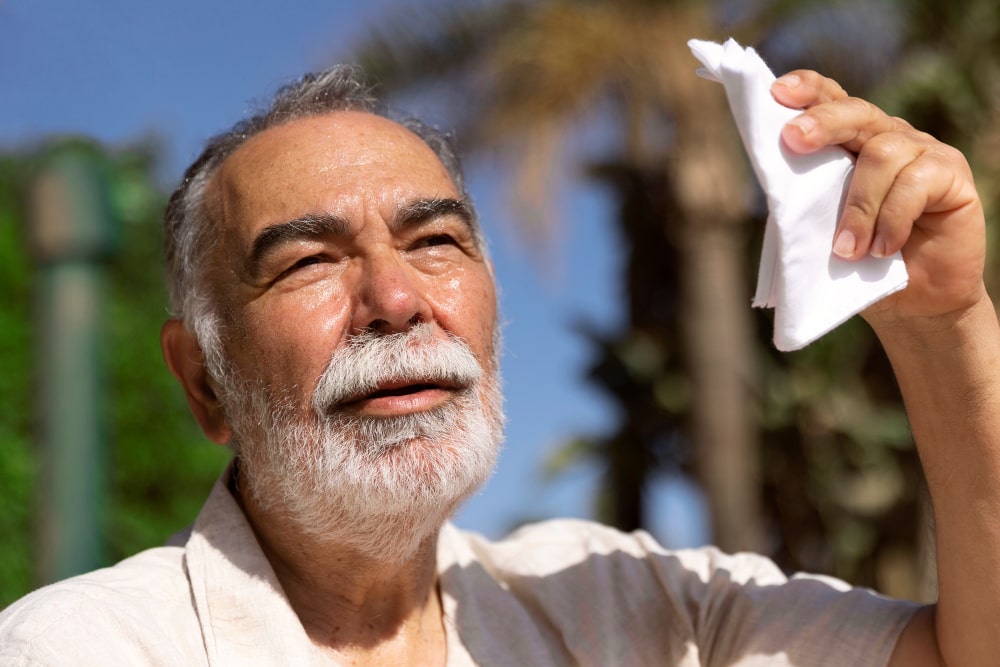
Signs of Heatstroke and How to Prevent It
Summer brings longer days, outdoor fun, and vacations, but it also raises the risk of heat-related illnesses. One of the most serious conditions to watch out for during hot weather is heatstroke. It can happen quickly and needs immediate attention. Knowing the warning signs and learning how to prevent it can help you and your loved ones stay safe during the hotter months.
What is Heatstroke?
Heatstroke occurs when the body’s temperature rises above 104°F (40°C) due to prolonged exposure to high temperatures, especially combined with dehydration. When the body cannot cool itself down effectively through sweating, organs can begin to fail, and it becomes a medical emergency.
Unlike simple heat exhaustion, heatstroke can cause serious harm to the brain, heart, kidneys, and muscles if not treated promptly. It’s important to act fast if you notice symptoms.
Common Signs of Heatstroke
Recognizing the signs early can save lives. The common signs of Heartstroke are :-
1. High Body Temperature
The most noticeable sign is a body temperature above 104°F. If someone feels extremely hot to the touch and appears flushed, it may signal heatstroke.
2. Altered Mental State
Agitation, slurred speech, irritability, seizures, confusion, or even coma are possible signs. Any change in mental function must be taken seriously.
3. Hot and Dry Skin
In classic heatstroke, the skin becomes hot and dry because the body has lost its ability to sweat. In some cases, the skin might feel moist, especially if heatstroke is triggered by intense exercise.
4. Rapid Heartbeat and Breathing
The heart rate speeds up as the body struggles to cool down. Breathing may also become shallow and quick.
5. Nausea and Vomiting
Heatstroke can make a person feel sick, leading to vomiting and stomach discomfort.
6. Headache
A throbbing headache is often one of the first symptoms people notice when their body is overheating.
If you or someone else experiences any of these symptoms, it is crucial to seek medical help immediately.
How to Prevent Heatstroke
Fortunately, heatstroke is largely preventable with some simple steps:
- Stay Hydrated: Drink plenty of water throughout the day, even if you don’t feel thirsty. Avoid excessive intake of alcohol or caffeinated drinks as they can dehydrate you.
- Dress Smart: Wear light-coloured, loose-fitting clothes that allow your body to breathe.
- Avoid Peak Sun Hours: Try to stay indoors between 11 AM and 4 PM, when the sun’s rays are the strongest.
- Use Sunscreen: Protect your skin with a good sunscreen to prevent sunburn, which can affect your body's ability to cool down.
- Take Frequent Breaks: If you are working or exercising outdoors, take regular breaks in the shade or a cool area.
- Eat Light: Heavy meals can increase body temperature. Opt for fruits, vegetables, and foods with high water content during summer.
- Monitor Vulnerable People: Keep an eye on children, the elderly, and people with chronic illnesses, as they are at a higher risk.
At manipaltrutest.com, we encourage everyone to stay informed about heat-related illnesses and act quickly if symptoms appear. Early diagnosis and medical attention are key to avoiding serious complications.
Heatstroke is dangerous but can be preventedby staying hydrated, dressing appropriately, and avoiding overexposure to heat. . Always be vigil to your body’s signals and seek help if something feels wrong. For more health tips, visit manipaltrutest.com