Book on Whatsapp
9892101616

How to cure cold and cough during winter season?
Viral Infection
Thu Jan 04 2024
What is the reason of the cold and cough in winter?
Extreme exposure to a freezy winter without covering yourself up or staying warm can trigger a winter cold cough.
There are several measures you can take to alleviate the symptoms and boost your immune system. Here are some tips to help you manage a cold and cough during the winter:
We’ve got the go-to-solutions whether you’re concerned about how can I stop coughing from a cold or the primary concern is a common cold:
1. Rest and stay hydrated: Get plenty of rest to allow your body to heal and drink fluids like water, herbal teas, and clear broths to stay hydrated.
2. Warm fluids: Sip on warm liquids such as ginger tea, honey and lemon tea, or hot water with honey and lemon. These can help soothe a sore throat and relieve congestion.
3. Saline nasal irrigation: Use a saline nasal spray or a neti pot to flush out the nasal passages and reduce congestion.
4. Steam inhalation: Inhaling steam can help relieve congestion and loosen mucus. Lean over a bowl of hot water, place a towel over your head, and breathe in the steam for about 10 minutes. Be cautious to avoid burns.
5. Honey and warm liquids: Mix a teaspoon of honey into warm water, herbal tea, or warm milk. Honey has soothing properties that can help soothe a sore throat.
6. Over-the-counter remedies: Over-the-counter cold and cough medications may provide temporary relief for symptoms such as congestion, cough, and sore throat. Follow product instructions carefully and consult a pharmacist if necessary.
7. Maintain humidity: Use a humidifier or vaporizer to add moisture to the air, especially in your bedroom. This can help relieve cough and congestion.
8. Gargle with warm saltwater: Dissolve half a teaspoon of salt in a glass of warm water and gargle with it several times a day. This can help soothe a scratchy throat.
9. Avoid irritants: Stay away from smoke, strong chemicals, and other respiratory irritants that can worsen your symptoms.
10. Boost your immune system: Eat a balanced diet, exercise regularly, get enough sleep, and consider taking immune-boosting supplements like vitamin C and zinc after consulting with a healthcare professional.
11. Warm compress: If you have sinus congestion or a stuffy nose, you can apply a warm compress to your face. Simply soak a washcloth in warm water, wring out the excess, and place it over your sinuses or nose for a few minutes. The warmth can help alleviate congestion and provide some relief.
12. Elevate your head: When sleeping or resting, try propping up your head with an extra pillow or elevating the head of your bed slightly. This can help ease nasal congestion and prevent post-nasal drip, which can lead to coughing.
13. Nasal strips: Consider using nasal strips, which are adhesive strips placed on the outside of your nose, to help open up your nasal passages and improve airflow. This can relieve congestion and make breathing easier.
14. Stay warm and hydrated: During the colder months, it's important to stay warm and dress appropriately for the weather. Additionally, staying hydrated helps thin mucus and keeps your respiratory system functioning properly.
15. Avoid excessive cold or hot drinks: When you have a cold, try to avoid extremely cold or hot beverages as they can irritate your throat and exacerbate coughing. Opt for lukewarm or room temperature drinks instead.
16. Chicken soup: Chicken soup has been a popular remedy for colds for centuries. It can help soothe a sore throat and provide hydration. Plus, it may have anti-inflammatory properties and help reduce congestion.
17. Take hot showers: The steam from a hot shower can provide temporary relief for congestion and help loosen mucus in your nasal passages. Breathe deeply in the warm, humid air to help clear your airways.
18. Use throat lozenges or cough drops: Throat lozenges or cough drops can temporarily relieve a sore throat and suppress coughing. Look for ones containing ingredients like menthol, honey, or lemon.
19. Avoid caffeine and alcohol: These substances can dehydrate your body and worsen your symptoms. Opt for decaffeinated beverages and limit your alcohol intake until you're feeling better.
20. Practice good hygiene: Wash your hands frequently to prevent the spread of germs. Cover your mouth and nose when coughing or sneezing, ideally with a tissue or your elbow, to prevent the spread of the virus.
Remember, these remedies are meant to alleviate symptoms and support your body's natural healing process. If your symptoms persist or worsen, it's important to seek medical advice for a proper diagnosis and guidance.
Manipal TRUtest offers a wide range of diagnostic services with assured quality, accuracy, and trust backed by 70 years of Manipal legacy. You can easily schedule a blood test through our WhatsApp Chatbot, Mobile App, or Website. We also provide the convenience of a Home Sample Collection, where a highly qualified phlebotomist will visit you in the comfort of your home.
OUR PRESENCE
Blood Test Centre in India
Blood Test Center in Hyderabad / Blood Test Center in Kolkata / Blood Test Center in Vizag / Blood Test Center in Mumbai / Blood Test Center in Ghatkopar / Blood Test Center in Kolhapur / Blood Test Center in Pune / Blood Test Center in Solapur / Blood Test Center in Rohtak / Blood Test Center in Indore / Blood Test Center in Gurugram / Blood Test Center in Ghaziabad/ Blood Test Center in Bangalore / Blood Test Center in Nashik / Blood Test Center in Nagpur
CT-Scan Centres in India
CT Scan Centre in Bhiwani/ CT Scan Centre in Gurugram/ CT Scan Centre in Jind / CT Scan Centre in Hisar/ CT Scan Centre in Kaithal/ CT Scan Centre in Kurukshetra / CT Scan Centre in Mewat/ CT Scan Centre in Sonipat/ CT Scan Centre in Panchkula/ CT Scan Centre in Panipat / CT Scan Centre in Rohtak/ CT Scan Centre in Yamunanagar/ CT Scan Centre in Daltonganj / CT Scan Centre in Deoghar/ CT Scan Centre in Dhanbad / CT Scan Centre in Dumka/ CT Scan Centre in Hazaribagh/ CT Scan Centre in Koderma/ CT Scan Centre in Ranchi/ CT Scan Centre in Simdega/ CT Scan Centre in Bangalore/ CT Scan Centre in Mangaluru / CT Scan Centre in Manipal / CT Scan Centre in Ghatkopar
PET-CT Scan Centres in India
PET- CT Scan Centre in Vijayawada / PET-CT Scan Centre in Manipal / PET-CT Scan Centre in Jaipur / PET-CT Scan Centre in Kanchipuram / PET-CT Scan Centre in Goa
Ultrasound Centres in India
Ultrasound Scan in Deoghar / Ultrasound Scan in Dumka / Ultrasound Scan in Bokaro Steel City / Ultrasound Scan in Chaibasa / Ultrasound Scan in Giridih / Ultrasound Scan in Godda / Ultrasound Scan in Gumla / Ultrasound Scan in Khunti /Ultrasound Scan in Jamtara / Ultrasound Scan in Pakur / Ultrasound Scan in Simdega / Ultrasound Scan in Manipal / Ultrasound Scan in Ghatkopar East / Ultrasound Scan in Garhwa / Ultrasound Scan in Jamshedpur
MRI Scan Centres in India
MRI Scan in Bhiwani / MRI Scan in Gurugram / MRI Scan in Hisar / MRI Scan in Mewat / MRI Scan in Panchkula / MRI Scan in Rohtak / MRI Scan in Sonipat / MRI Scan in Ranchi / MRI Scan in Bangalore / MRI Scan in Bhubaneswar / MRI Scan in Cuttack
X-Ray Centres in India
X-Ray Centres in Chaibasa / X-Ray Centres in Chatra / X-Ray Centres in Deoghar / X-Ray Centres in Dumka / X-Ray Centres in Garhwa / X-Ray Centres in Giridih / X-Ray Centres in Godda / X-Ray Centres in Gumla / X-Ray Centres in Jamshedpur / X-Ray Centres in Jamtara / X-Ray Centres in Khunti / X-Ray Centres in Latehar / X-Ray Centres in Pakur / X-Ray Centres in Ramgarh / X-Ray Centres in Sahibganj / X-Ray Centres in Simdega / X-Ray Centres in Ghatkopar
ECG Centres in India
ECG Test in Bokaro Steel City / ECG Test in BChatra / ECG Test in Deoghar / ECG Test in Dumka / ECG Test in Garhwa / ECG Test in Giridih / ECG Test in Gumla / ECG Test in Jamshedpur / ECG Test in Jamtara / ECG Test in Khunti / ECG Test in Ramgarh / ECG Test in Simdega / ECG Test in Ghatkopar
Related Tests
Related Packages

TRU Care Package
What is TRU Care Package?
The most ideal test package covering most vital organs functions of the body like Complete Blood Count (CBC), Liver, Kidney, Thyroid and Diabetes which will help in screening health at the most economical rate.
₹ 799

Good Health
Good Health Package
The fast-paced life can get the most of you if you don’t keep an eye on what is happening inside your body. Since you only have one body and no do-overs in life, just like regular services you get for your vehicle. Keep all your bodily functions in check with our Good Health Package. We provide a range of tests like CBC, Liver Function Test (LFT), Lipid Profile (Complete Calculated), Kidney Function Test (KFT), Urine Routine, Thyroid Profile, Glucose, Random (R) and mineral deficiency tests like Iron Studies, Calcium, Serum, ESR and HbA1C too. The test results will provide you with an insight into what kind of lifestyle you have been living and what can you do to be better at it.
₹ 999
Related Blogs
Viral Infection
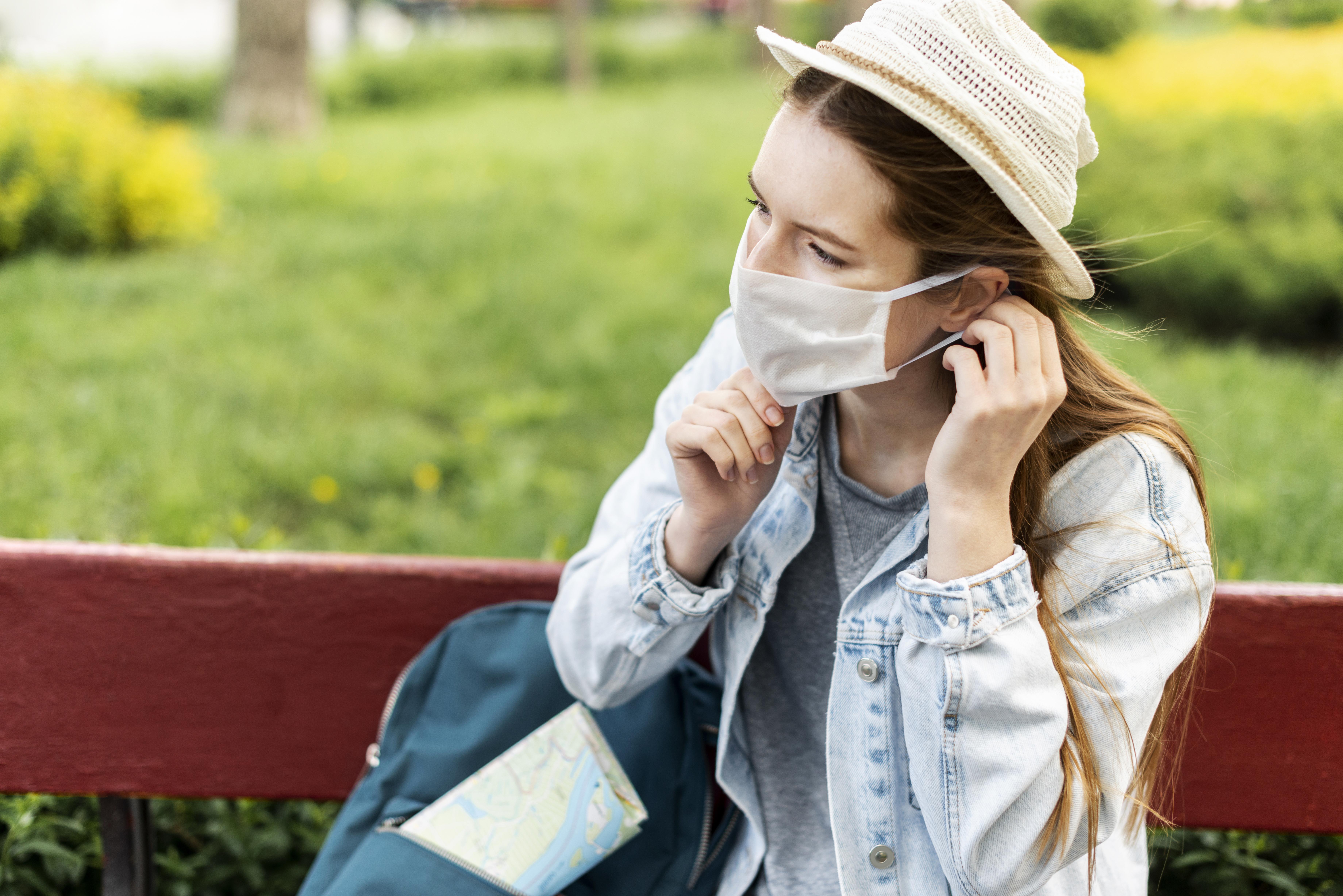
Common Infections during the Weather Transition Prevention and Diagnosis
Seasonal changes often bring comfort and freshness, but they also create conditions that allow infections to spread more easily. The transition between hot and cold weather, or from dry to humid conditions, weakens the body’s natural defenses and makes people more prone to illnesses. During this period, sudden temperature fluctuations affect the immune system, creating an environment in which bacteria, viruses, and fungi thrive. Understanding common infections, their symptoms, methods of prevention, and accurate diagnosis is essential for maintaining good health during these weather shifts.
Common Infections During Weather Transition
- Common Cold and Flu – Viral infections such as influenza and rhinovirus are widespread when seasons change. Sudden exposure to cold air or damp weather weakens the respiratory system, leading to symptoms like sore throat, cough, fever, and nasal congestion.
- Respiratory Tract Infections – Bronchitis, pneumonia, and sinusitis often increase during transitional seasons. Poor air quality, allergens, and fluctuating humidity levels contribute to their spread.
- Gastrointestinal Infections – Changes in food storage and water quality can lead to bacterial infections like gastroenteritis. Contaminated food or water often results in diarrhea, vomiting, and stomach cramps.
- Skin and Fungal Infections – Humidity and sweating during seasonal changes encourage fungal growth. Athlete’s foot, ringworm, and candida become more common.
- Allergies and Asthma Flare-ups – While not strictly infections, allergic reactions worsen during seasonal changes, weakening immunity and making individuals more vulnerable to infections.
Prevention of Seasonal Infections
Preventing infections requires a proactive approach and conscious lifestyle choices. Some effective measures include:
- Maintain Good Hygiene: Washing hands regularly with soap and water reduces the risk of viral and bacterial transmission. Avoid touching the face frequently to minimize exposure.
- Balanced Diet: Eating seasonal fruits, vegetables, and foods rich in vitamins C and D strengthens immunity. Probiotics such as yogurt support gut health and prevent gastrointestinal infections.
- Adequate Hydration: Drinking clean and safe water helps flush out toxins and keeps the body resilient against infections.
- Proper Clothing: Wearing weather-appropriate clothing prevents sudden chills or overheating, which otherwise strain the immune system.
- Vaccination: Annual flu shots and other recommended vaccines provide strong protection during transitional weather.
- Environmental Care: Maintaining clean surroundings, ensuring proper ventilation, and avoiding exposure to damp and dusty environments reduces the spread of infections.
Diagnosis and Early Detection
Accurate and timely diagnosis ensures effective treatment and reduces complications. Common diagnostic practices include:
- Clinical Examination: Doctors assess symptoms such as fever, cough, congestion, or rashes to identify the infection type.
- Laboratory Tests: Blood tests, throat swabs, sputum cultures, and stool samples help detect specific bacterial or viral pathogens.
- Imaging Tests: For respiratory infections, chest X-rays or CT scans may be recommended.
- Allergy and Sensitivity Tests: In cases where infections are linked with allergic triggers, these tests provide clarity.
Stay Ahead with Manipal TRUtest
Regular health check-ups can detect infections and immune imbalances early, ensuring timely care. At Manipal TRUtest Diagnostics, our expert team and advanced testing technology help you monitor your health accurately through every season. Whether it’s detecting infections, assessing vitamin levels, or conducting preventive screenings, we ensure trusted diagnostics for your well-being — every day, every season.
Viral Infection
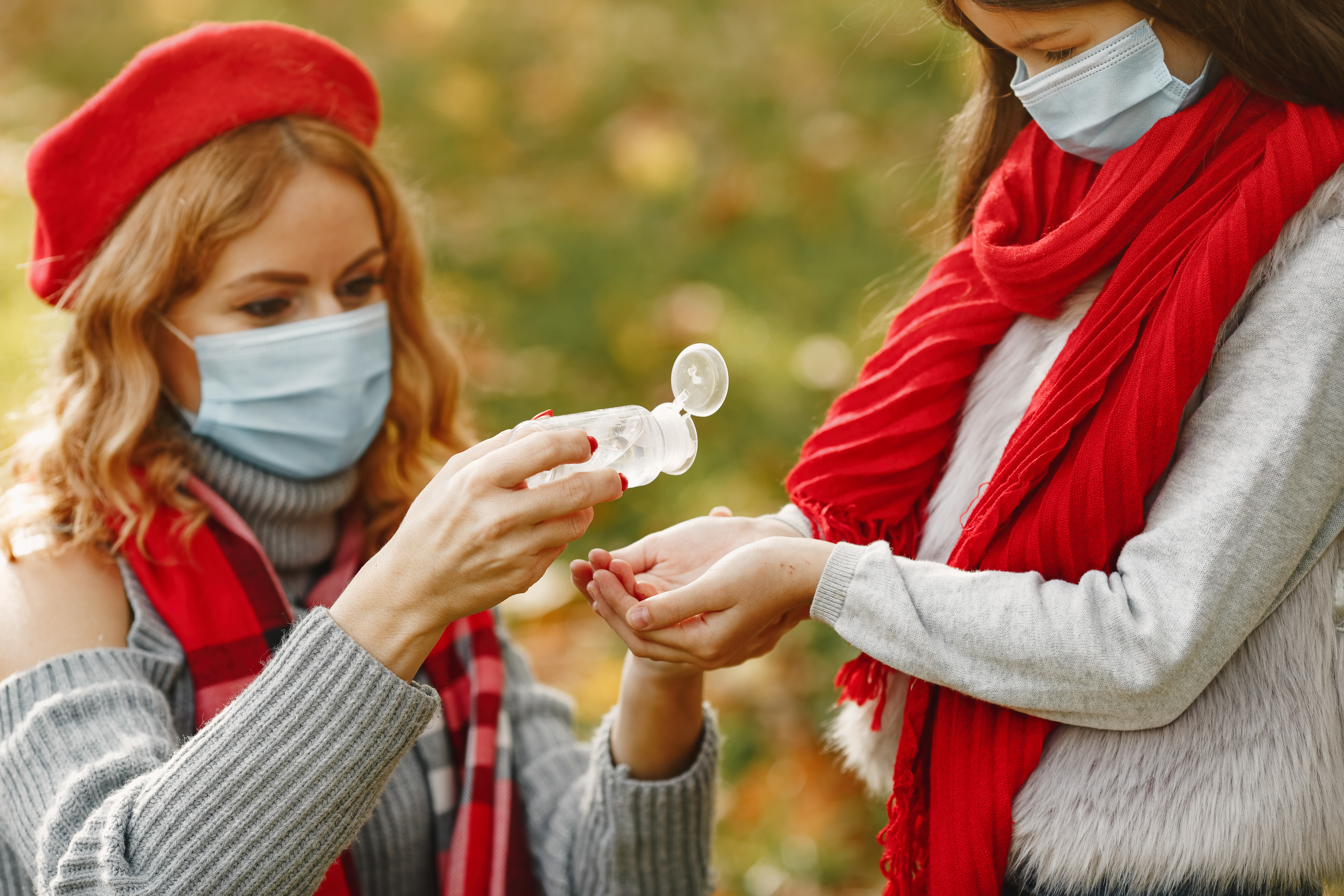
How Seasonal Changes Impact Your Immunity and What to Do About It
The human body is designed to adapt to different environments, but seasonal changes often challenge the immune system in many ways. Shifts in temperature, humidity, and daylight hours can make people more vulnerable to infections and allergies. Understanding how seasons affect immunity and knowing the right preventive steps can help maintain good health throughout the year.
How Seasons Affect Immunity
Winter
During winter, colder temperatures force people indoors, often in crowded spaces with poor ventilation. This environment allows viruses such as the flu and common cold to spread easily. The lack of sunlight also reduces vitamin D levels, which play an important role in strengthening the immune system.
Summer
Hot summer months can lead to dehydration and heat exhaustion, which indirectly weakens immunity. Excessive sweating and fluid loss disturb the body’s balance of electrolytes. Food spoilage is also common in high temperatures, increasing the risk of foodborne infections.
Monsoon
The rainy season creates favorable conditions for bacterial, viral, and fungal infections. Waterborne diseases such as typhoid, cholera, and hepatitis become more common while the damp weather also triggers respiratory infections and fungal skin conditions.
Spring and Autumn
These transitional seasons bring sudden changes in temperature, which may stress the body. Allergies due to pollen, dust, or molds are common in spring, while autumn often brings fluctuations in humidity and an increased risk of flu.
Why Immunity Weakens with Seasonal Change
Seasonal shifts affect the body’s natural rhythm. Exposure to sudden temperature differences, reduced sunlight, and dietary changes disturbs the immune response. The body takes time to adjust, and during this period, people may experience fatigue, allergies, or frequent infections. Stress, poor sleep, and lack of proper nutrition further lower resistance to diseases during these times.
Steps to Protect Immunity During Seasonal Changes
- Eat a Balanced Diet
A nutrient-rich diet supports the immune system. Fresh fruits, vegetables, whole grains, and lean proteins provide vitamins and minerals essential for good health. Vitamin C, zinc, and vitamin D are especially important to fight infections. - Stay Hydrated
Drinking enough water keeps the body hydrated and helps flush out toxins. Herbal teas, soups, and seasonal fruits with high water content are also beneficial. - Exercise Regularly
Moderate physical activity, such as walking, yoga, or cycling, boosts circulation and strengthens immune function. Exercise also reduces stress, which otherwise weakens immunity. - Get Adequate Sleep
Aim for 7–8 hours of uninterrupted sleep. Proper rest enhances the production of infection-fighting white blood cells. - Maintain Hygiene
Washing hands regularly, keeping surroundings clean, and practicing safe food habits are simple but effective ways to prevent infections. - Dress According to Weather
Wearing clothes suitable for the season protects the body from extreme temperatures and reduces the risk of catching colds or heat-related illnesses. - Take Preventive Health Check-Ups
Seasonal changes are the right time to go for basic health tests such as vitamin checks, blood sugar, or a complete blood count. Early detection of deficiencies or imbalances helps in better management.
Seasonal changes are inevitable, but their effects on immunity can be minimized with mindful care. Balanced nutrition, proper hydration, adequate rest, and regular check-ups form the foundation of year-round wellness.
At Manipal TRUtest Diagnostics, comprehensive preventive health packages — including vitamin, thyroid, and immunity profiles — help you stay one step ahead of seasonal illnesses. With accurate reports and expert-backed guidance, you can strengthen your immunity and enjoy good health, no matter the season.

Viral Infection
Benefits of Timely Testing During Fever and Infection
Fever is the body’s natural response to infections. It signals that the immune system is actively fighting against the harmful pathogens such as bacteria, viruses, or fungi. While a mild fever often resolves on its own, a persistent or high-grade fever can indicate an underlying infection that requires medical attention. In such cases, timely diagnostic testing plays a critical role in identifying the cause of the illness and guiding appropriate treatment. Ignoring a prolonged fever or delaying tests can lead to complications and poor health outcomes.
Accurate Diagnosis of the Underlying Condition
One of the primary benefits of timely testing during fever and infection is the ability to diagnose the root cause accurately. A fever can be a symptom of a wide range of conditions, including viral infections such as dengue or influenza, as well as bacterial infections like typhoid or urinary tract infections (UTIs). Diagnostic tests such as complete blood count (CBC), fever panel, blood cultures, or specific tests like malaria or dengue antigen tests help identify the specific organism responsible for the illness. An accurate diagnosis ensures that the patient receives the most effective treatment and avoids unnecessary medications.
Early Detection Prevents Complications
Some infections progress faster than we realize. When fever strikes, don’t just guess the cause - test it.
Early testing can help detect potentially dangerous infections before they worsen. For instance, infections like dengue or leptospirosis can rapidly progress if not diagnosed and treated in time. A delayed diagnosis may lead to severe complications such as dehydration, organ failure, or even death.
Reduces the Risk of Transmission
Infections like influenza, and tuberculosis are highly contagious. Timely testing during the onset of symptoms, especially fever, helps in identifying such infections early and isolating the patient to prevent further spread. This is particularly important in households with children, elderly family members, or individuals with weakened immune systems. Early detection through testing also enables health authorities to take preventive measures in the community.
Helps Avoid Self-Medication and Misdiagnosis
Many individuals tend to self-medicate when they develop a fever, assuming it is a minor viral infection. However, self-medication can be harmful, especially if the actual cause is a serious bacterial or parasitic infection. By undergoing timely tests, individuals can avoid misdiagnosis and receive appropriate medical advice. This also prevents the misuse of antibiotics, which is a major cause of antibiotic resistance.
Supports Monitoring and Better Treatment Planning
Timely testing during fever or infection helps doctors monitor the illness's progression and adjust treatment accordingly. For example, repeated blood tests may be necessary to assess whether a patient's white blood cell count is returning to normal or if the infection is worsening. This data helps healthcare professionals make informed decisions, improve treatment outcomes, and avoid unnecessary hospitalizations.
Peace of Mind for the Patient
Knowing the exact cause of fever through timely testing can also bring peace of mind to patients and their families. It reduces anxiety, eliminates guesswork, and provides a clear path to recovery. Rather than waiting in uncertainty, patients can take swift action based on reliable test results.
Timely testing during fever and infection is not just a diagnostic step, it is a crucial component of effective healthcare. It helps in identifying the cause, preventing complications, limiting disease transmission, and supporting accurate treatment. Investing in early testing is a proactive approach to health that ensures quicker recovery, reduces healthcare costs in the long run, and ultimately saves lives.