Book on Whatsapp
9892101616

How to Increase Haemoglobin Levels?
Blood Test
Fri Mar 01 2024
Haemoglobin is an iron-enriched protein present in the red blood cells that is the reason behind the red colour of your blood. It carries oxygen and supplies it to every part of the body. Apart from transporting oxygen, it is responsible for flowing carbon dioxide away from the cells and directly to the lungs for flushing it out of the body. Therefore, Haemoglobin can be described as a crucial protein, to ensure optimum health in the longer run.
What is a Low Hemoglobin Count?
Recommended hemoglobin levels in women are 13 ± 2 grams per deciliter and in men are 14 ± 2 grams of hemoglobin per deciliter.
What are the reasons for low Hemoglobin count?
There are several reasons why someone might have low haemoglobin levels, a condition known as anaemia. Some of the common causes include:
1. Iron deficiency: Iron is a key component in haemoglobin production. A lack of sufficient iron in the diet can lead to anaemia. This often occurs due to poor dietary intake of iron-rich foods, poor absorption of iron from the gut, or blood loss.
2. Vitamin deficiency: Vitamins such as vitamin B12 and folic acid are important for the production of healthy red blood cells. Deficiencies in these vitamins can lead to a decrease in red blood cell production and subsequently lower haemoglobin levels.
3. Chronic diseases: Conditions such as chronic kidney disease, chronic inflammatory disorders, and cancer can lead to anaemia by affecting the body's ability to produce red blood cells or by causing excessive destruction of red blood cells.
4. Blood loss: Acute or chronic blood loss due to conditions like gastrointestinal bleeding, heavy menstrual periods, or trauma can result in low haemoglobin levels.
5. Bone marrow disorders: Conditions affecting the bone marrow, where red blood cells are produced, such as aplastic anaemia, myelodysplastic syndrome, or leukaemia, can lead to reduced haemoglobin levels.
6. Kidney problems: Kidney failure can result in decreased production of erythropoietin, a hormone responsible for stimulating red blood cell production, leading to anaemia.
7. Chronic infections: Certain chronic infections, such as HIV or hepatitis, can cause anaemia due to the body's response to the infection affecting red blood cell production.
8. Genetic disorders: Inherited conditions like thalassemia and sickle cell anaemia can lead to low haemoglobin levels due to abnormal haemoglobin production or structure.
9. Medications: Some medications, such as chemotherapy drugs, can cause bone marrow suppression, leading to a decrease in red blood cell production and subsequent anaemia.
These are just a few examples of the many possible reasons for low haemoglobin levels. It's important to consult a healthcare provider for proper diagnosis and treatment if you suspect you have low haemoglobin levels.
Here are 10 ways to naturally increase levels:
- Increase iron intake through foods like lean meat, poultry, fish, lentils, beans, and fortified cereals.
- Consume vitamin C-rich foods like citrus fruits, bell peppers, and strawberries to enhance iron absorption.
- Eat foods high in folate such as leafy greens, legumes, and fortified cereals.
- Include vitamin B12 sources like dairy products, eggs, and seafood in your diet.
- Avoid drinking tea or coffee with meals as they can inhibit iron absorption.
- Cook in cast iron cookware to increase iron intake.
- Consume iron-rich herbs like nettle, parsley, and spirulina.
- Stay well-hydrated by drinking plenty of water.
- Engage in regular exercise to stimulate red blood cell production.
- Get enough rest and sleep to support overall health and healing.
Manipal TRUtest offers a wide range of diagnostic services with assured quality, accuracy, and trust backed by 70 years of Manipal legacy. You can easily schedule a blood test such as Diabetes profile test, HbA1c, CBC, Kidney Function Test, Lipid Profile, Liver Function Test, Vitamin Test. Thyroid Profile. through our WhatsApp Chatbot, Mobile App, or Website. We also provide the convenience of a Home Sample Collection, where a highly qualified phlebotomist will visit you in the comfort of your home.
OUR PRESENCE
Blood Test Center in Hyderabad / Blood Test Center in Kolkata / Blood Test Center in Vizag / Blood Test Center in Mumbai / Blood Test Center in Ghatkopar / Blood Test Center in Kolhapur / Blood Test Center in Pune / Blood Test Center in Solapur / Blood Test Center in Rohtak / Blood Test Center in Indore / Blood Test Center in Gurugram / Blood Test Center in Ghaziabad/ Blood Test Center in Bangalore / Blood Test Center in Nashik / Blood Test Center in Nagpur/ Blood Test Centre in Chennai
Sources:
https://www.medicalnewstoday.com/articles/318050
https://www.healthline.com/health/how-to-increase-hemoglobin
https://www.mayoclinic.org/symptoms/low-hemoglobin/basics/causes/sym-20050760
Related Blogs
Blood Test
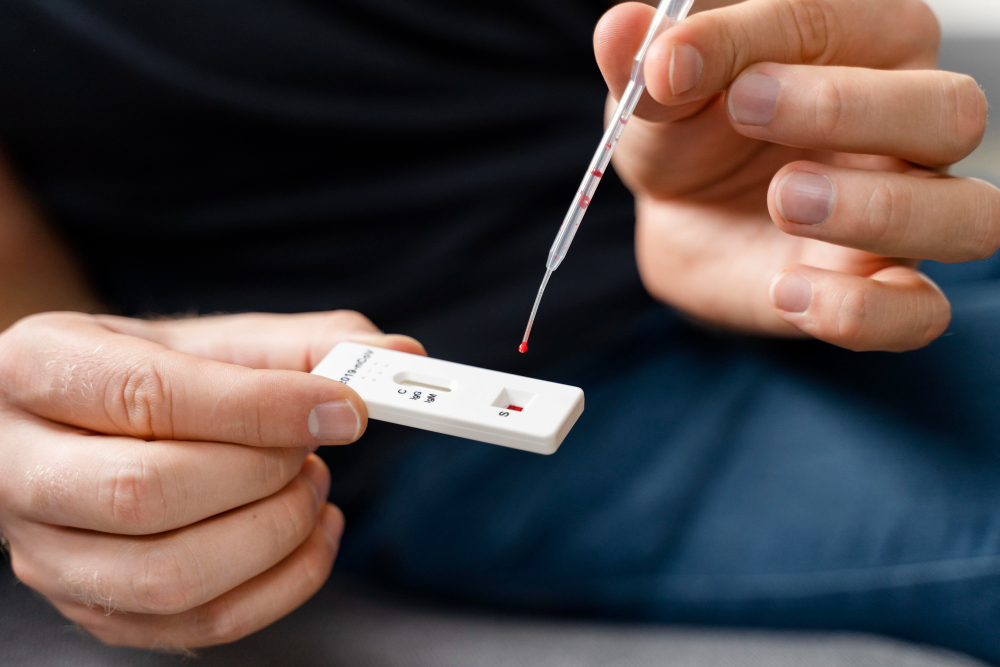
What Do Your HbA1C Test Results Mean?
Blood sugar goes up and down all the time, but what matters for your health isn’t whether it has a good or bad day. It’s the number that reflects this long-term pattern, HbA1C. It indicates how much glucose has been sticking to your red blood cells over the past two to three months, providing a clear and reliable picture of your average blood sugar control.
The doctor has confidence in the HbA1C as a blood test because they view it as trends over time and not a daily fluctuation. This means it’s a powerful tool for catching diabetes early, figuring out if treatment is working, and ensuring that dangerous complications are stopped before they start.
What HbA1C Actually Measures
HbA1C measures the percentage of hemoglobin in your red blood cells that has glucose attached to it. Hemoglobin carries oxygen through your body, and whenever sugar circulates in your bloodstream, some of it binds to these cells.
Since red blood cells live for about three months, this value represents your average blood sugar over that period. That is why HbA1C provides a much more meaningful view of your glucose levels than a single fasting or random reading.
Why HbA1C Is More Reliable Than Daily Sugar Readings
Food, exercise, stress, sleep, or sickness can all affect your daily glucose levels. A single normal reading does not always indicate your sugar is under control and one high number on the meter or scale doesn’t necessarily mean you have a serious problem.
The HbA1C Test Measures Long-Term Patterns, not Immediate Levels. It allows doctors to understand if your blood sugar has been in a healthy range most of the time, which is what protects your body.
Understanding Your HbA1C Levels
The HbA1C test result is given as a percentage. When the HbA1C number is lower, that is a good thing because it means there is less sugar in your blood. On the other hand, a higher HbA1C number is not so good because it means more sugar has been in your blood. Knowing the HbA1C result is important .
- Below 5.7% is considered healthy
- 5.7% to 6.4% suggests prediabetes
- 6.5% or above indicates diabetes
For those who already have diabetes, doctors typically try to keep HbA1C levels at around 7%, although individual targets may vary by age and general health.
What High HbA1C Means for Your Body
A high HbA1C indicates your blood sugar has been elevated for weeks or months. This results in gradual injury to blood vessels and nerves, even when you feel fine.
Over time, this raises the risk of heart disease, kidney failure, vision issues, nerve pain, and delayed wound healing. If you have a lot of the above issues, then high HbA1C is likely first warning that these problems will arrive soon.
What Low HbA1C Tells You
Lower levels of HbA1C are generally associated with better blood sugar control. But deeply low levels among those who take diabetes medications could be a sign of frequent low blood sugar, she said.
Low blood sugar can lead to weakness, sweating, dizziness, confusion, and even passing out. That is why the goal for doctors is balanced control, not numbers that are too low.
Why HbA1C Can Rise Even With a Healthy Diet
Food is a key factor, but not the only one that influences blood sugar. Stress, poor sleep, sickness, hormonal changes, and lack of movement all increase glucose levels. HbA1C is the average of all this, and that’s why this number may go up when you haven’t changed your diet.
How Often HbA1C Should Be Checked
Most people without diabetes will check HbA1C once a year. For people who have prediabetes, the testing interval should be six months; for those diagnosed with diabetes, it is often three. Frequent monitoring can detect high levels of sugar at an early stage and help prevent long-term complications.
How to Improve HbA1C Naturally
Small daily habits matter a great deal for HbA1C. Stable blood sugar is supported by eating balanced meals, staying physically active, sleeping well, managing stress, and taking medications as prescribed.
How HbA1C Helps Protect Your Future
HbA1C is more than a test number. It is a long-term health signal indicating whether your body has been protected against damage from sugar. Keeping HbA1C within a healthy range, in turn, reduces the risk of heart disease, kidney problems, nerve damage, and vision loss.
With today’s accessible healthcare, you can get an HbA1C Blood Test at home without visiting the lab and keep track of sugar control at ease. This added convenience means more people can stay consistent with testing, identify changes early, and take action to help protect their long-term health.
At Manipal TRUtest, we make diabetes monitoring simple and reliable with accurate HbA1c testing, preventive health packages, and convenient home sample collection services.
Stay informed, stay in control—book your HbA1c test today and take a proactive step toward better health.
Blood Test
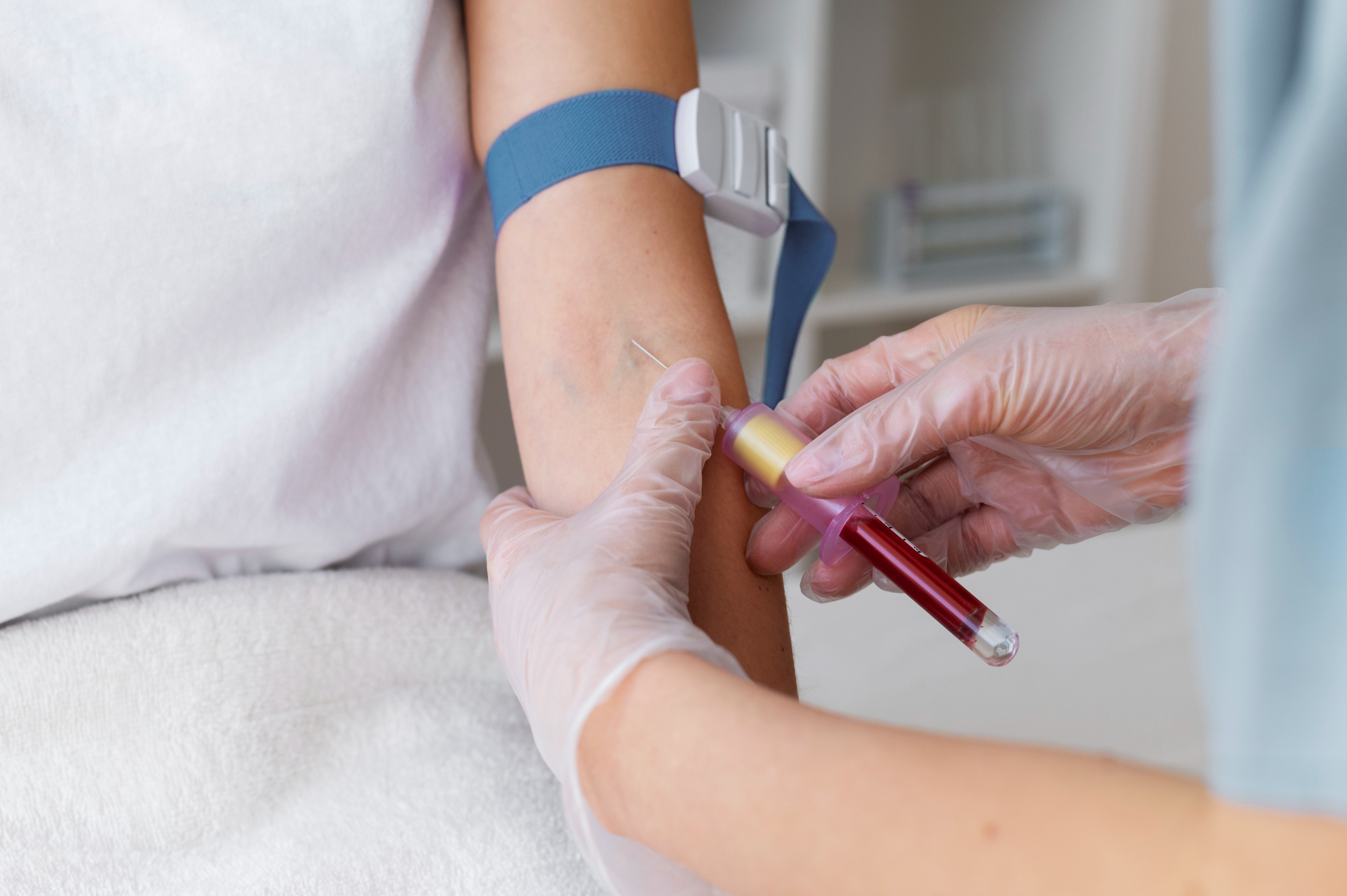
Skip the Lab Queue with Easy and Reliable Blood Test Home Collection
In a world where time is increasingly precious, convenience has become more than a luxury—it is a necessity. One area where this shift is particularlyespecially evident is healthcare, especially particularly diagnostic testing. Long queues at laboratories, busy schedules, and concerns about exposure to infections have encouraged people to seek safer and more convenient alternatives. Among these, blood test home collection services have emerged as a game-changing solution, offering efficiency, comfort, and reliability right at your doorstep.
Convenience That Fits Your Lifestyle
Traditionally, getting a blood test meant scheduling an appointment, commuting to a diagnostic center, and often waiting in crowded lobbies. For those with demanding jobs, mobility challenges, or caregiving responsibilities, this process can feel overwhelming. Home collection eliminates these barriers by bringing certified professionals straight to you. Whether you prefer early mornings before work, evenings after your day has settled, or weekends, home sample collection adapts to your timetable—not the other way around.
This flexibility is invaluable particularly helpful for elderly patients, individuals with chronic illnesses, new parents, and those with limited mobility. With just a few clicks, you can book a test online, and a trained phlebotomist will arrive to collect your sample with care and precision.
Comfort, Privacy, and a Stress-Free Environment
For many people, hospitals and laboratories can be intimidating spaces. The sterile environment, the presence of other patients, and the general rush can create unnecessary anxiety. When samples are collected at home, you remain in a familiar and comfortable environment. This ease can significantly reduce stress, especially for children or people with a fear of needles.
Privacy is another major advantage. Sensitive health conditions often require diagnostic tests, and not everyone feels comfortable being seen at medical centers. Home collection offers a discreet alternative, ensuring confidentiality from the moment you book the service to the point when your digital report arrives.
Reliable, Professional, and Safe Procedures
One of the common misconceptions is that home collection might compromise accuracy or safety. However, reputable diagnostic services follow stringent protocols. Certified phlebotomists use sterile, single-use equipment, adhere to medical-grade hygiene standards, and ensure samples are handled with absolute care. Once collected, samples are sealed, labeled, and transported under controlled conditions to accredited laboratories.
Modern Diagnostic companies, these days, use real-time tracking systems, allowing you to monitor your sample’s status and receive timely updates. Reports are usually delivered digitally within hours or days, depending on the type of test. This combination of professional handling and seamless digital integration ensures that home collection is as dependable as visiting a lab—if not more so.
Ideal for Regular Monitoring and Preventive Care
Many people require periodic testing—whether for diabetes, thyroid disorders, vitamin deficiencies, cholesterol, or routine health checkups. Home collection makes these regular assessments significantly more manageable. Instead of delaying or skipping tests due to lack of time or inconvenience, individuals can stay on top of their health effortlessly.
Preventive care has gained growing importance, and early detection often leads to better treatment outcomes. When diagnostic testing becomes easier, people are more likely to engage in preventive screening, helping them identify issues early and take proactive steps toward better health.
A Safe Option in Today’s Health-Conscious World
The pandemic has transformed how individuals view healthcare spaces. Even as the world adapts, many people still prefer minimizing unnecessary exposure. Home collection remains an excellent option for those who value safety and minimal contact. The phlebotomists follow rigorous sanitization protocols, ensuring a safe interaction for both patients and professionals.
Embrace Smarter Healthcare From Home
Blood test home collection is more than a convenience—it represents the future of patient-centered healthcare. It allows you to take charge of your health without disrupting your day, waiting in long queues, or stepping into crowded spaces. With reliable technicians, accurate results, and effortless booking, it is a service designed to make healthcare simpler, safer, and faster.
As life gets busier, choosing smarter and more efficient ways to care for your health becomes essential. By opting for home blood sample collection, you prioritize comfort, accuracy, and peace of mind—all from the comfort of your own home.
This New Year, choose comfort without compromising accuracy. With Manipal TRUtest’s reliable home blood sample collection services, quality diagnostics come straight to your doorstep.
Start the year the smart way—book your tests today and experience healthcare that fits your lifestyle.
Blood Test
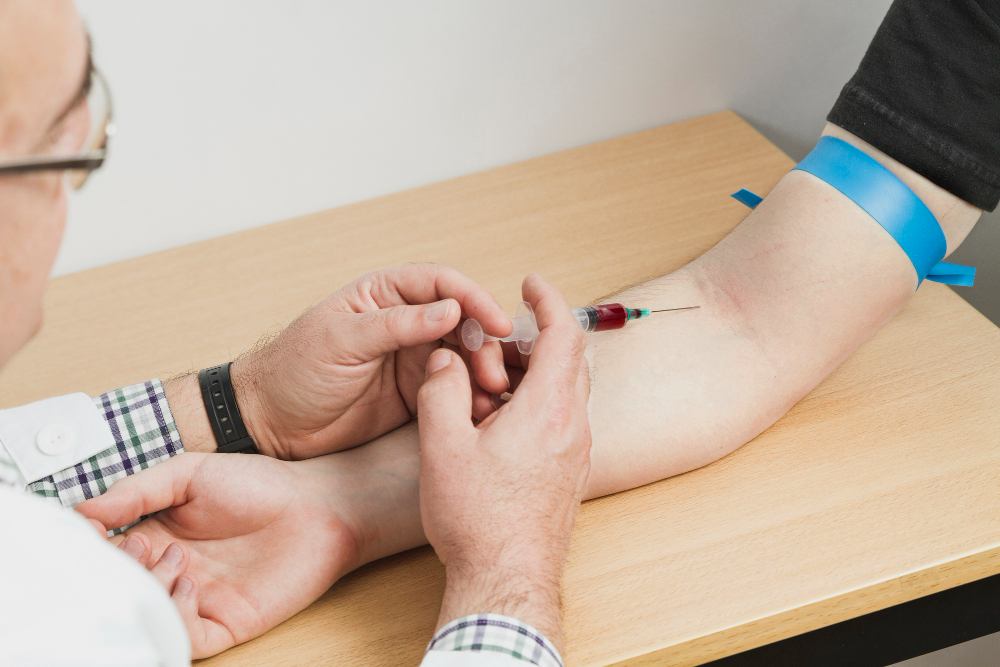
HbA1c Blood Test for Long-Term Diabetes Control
Managing diabetes is not just about keeping track of daily blood sugar readings it is about maintaining long-term stability. One of the most trusted tools for this purpose is the HbA1c blood test, often referred to as the “three-month average test”. it reveals how well your blood sugar has been managed over the past 8 to 12 weeks. For anyone living with diabetes, this test plays a vital role in monitoring health and preventing future complications.
What is the HbA1c Test?
Hemoglobin A1c (HbA1c) is a simple blood test that measures the percentage of hemoglobin, the protein in red blood cells that carries oxygen, coated with sugar (glucose). When glucose circulates in your blood, it naturally attaches to hemoglobin. The higher your blood sugar levels, the more glucose sticks to the hemoglobin. Since red blood cells live for about three months, the HbA1c test gives an average picture of your blood sugar levels over that period, unlike daily finger-prick tests, which show only current levels.
Why is it Important?
The HbA1c test is essential for both diagnosing diabetes and monitoring its control.
- A normal HbA1c level is usually below 5.7%.
- Levels between 5.7% and 6.4% may indicate prediabetes,
- Levels of 6.5% or higher suggest diabetes.
For people already diagnosed, doctors often recommend keeping HbA1c below 7% to reduce the risk of complications.
Unlike random blood sugar checks that fluctuate depending on meals, stress, or activity, HbA1c provides a clearer and more reliable picture of overall control. This helps doctors adjust medications, lifestyle plans, and treatment strategies more effectively.
Benefits of the HbA1c Test
- Long-Term Insight – Instead of worrying about one or two high readings, the HbA1c test shows your overall pattern.
- Convenient – No fasting is required. You can take this test at any time of the day.
- Early Warning System – Consistently high HbA1c levels warn of poor control, which could lead to complications such as kidney damage, heart disease, eye problems, or nerve issues.
- Motivation for Lifestyle Changes – Seeing your HbA1c improve can be highly motivating, encouraging healthier food choices, regular exercise, and proper medication use.
How Often Should You Take the Test?
For people with diabetes, doctors usually recommend taking the HbA1c test at least twice a year. However, if treatment is being adjusted or blood sugar levels are unstable, the test may be advised every three months. For individuals at risk of diabetes, routine testing can help detect the condition early and prevent it from progressing.
Improving Your HbA1c Levels
Lowering HbA1c is possible with consistent effort. Here are some effective strategies:
- Balanced Diet – Include more whole grains, vegetables, lean proteins, and fiber-rich foods while limiting refined sugars and processed snacks.
- Regular Exercise – Aim for at least 30 minutes of physical activity most days of the week.
- Medication Adherence – Take diabetes medicines or insulin as prescribed by your doctor.
- Stress Management – Stress can raise blood sugar, so relaxation techniques such as yoga, meditation, or deep breathing can help.
- Regular Monitoring – Combine home blood sugar checks with HbA1c testing to stay on track.
The HbA1c test is more than just a number; it serves as a health compass that guides people living with diabetes toward long-term control and better quality of life. By offering a reliable picture of how well blood sugar has been managed over months, it empowers individuals and doctors to take timely action. Regular HbA1c testing, along with a healthy lifestyle and proper treatment, is the key to reducing complications and living well with diabetes.
At Manipal TRUtest, we offer comprehensive diabetes testing packages, including HbA1c test, to help you stay on top of your health. Early monitoring leads to better outcomes—schedule your test today.