Book on Whatsapp
9892101616

Polycystic Ovarian Syndrome – Symptoms, Types, Causes, Treatments, and Home Remedies
PCOD / PCOS
Sat Oct 28 2023
Polycystic Ovarian Syndrome (PCOS) is a common hormonal disorder that affects many women of reproductive age. It is a multifaceted condition that can cause various symptoms and has potential long-term health implications. Let's delve deep into PCOS in detail, including, the symptoms, causes and treatments
Symptoms of PCOS:
PCOS can manifest through various signs and symptoms, which can vary from person to person. The most common symptoms include:
1. Irregular menstrual cycles: Women with PCOS frequently experience irregular periods or may have prolonged or infrequent menstrual cycles.
2. Hyperandrogenism: Elevated levels of androgens (male hormones) can lead to symptoms like excessive facial or body hair, acne, and male pattern baldness.
3. Polycystic ovaries: The ovaries may develop multiple small cysts, which can be detected through ultrasound examinations.
4. Weight gain: Many women with PCOS struggle with weight gain or find it difficult to lose weight, often due to insulin resistance.
5. Metabolic abnormalities: PCOS is associated with an increased risk of developing metabolic syndrome, including high blood pressure, insulin resistance, and high cholesterol levels.
Types of PCOS:
There are different phenotypes or types of PCOS, namely:
1. Insulin-resistant PCOS: This type is associated with insulin resistance, which impairs the body's ability to regulate blood sugar levels.
2. Post-pill PCOS: Some women develop PCOS symptoms after discontinuing oral contraceptive pills.
3. Inflammatory PCOS: Chronic inflammation plays a role in this type, leading to insulin resistance and androgen excess.
Causes of PCOS:
The exact cause of PCOS is unknown, but several factors contribute to its development. These include:
1. Hormonal imbalances: PCOS is characterized by an imbalance of sex hormones—specifically, excess androgen production and increased luteinizing hormone (LH) levels.
2. Insulin resistance: Insulin resistance is commonly associated with PCOS. It affects the body's ability to use insulin effectively, leading to elevated blood sugar levels and increased androgen production.
3. Genetic factors: Evidence suggests a genetic predisposition to PCOS, with a higher likelihood of developing the condition if there is a family history.
Treatments for PCOS:
While there is no cure for PCOS, various treatment options are available to Understanding and Managing Polycystic Ovarian Syndrome and its symptoms and minimize associated health risks. These include:
1. Lifestyle modifications: Exercise regularly, follow a balanced diet, maintain a healthy weight, and manage stress levels.
2. Medications: Hormonal birth control pills, anti-androgen medications, and insulin-sensitizing drugs may help regulate menstrual cycles, reduce androgen levels, and improve insulin sensitivity.
3. Fertility treatments: Women struggling with infertility related to PCOS may benefit from ovulation induction medications or assisted reproductive technologies.
Home Remedies to Manage PCOS:
In addition to medical treatments, certain home remedies may help alleviate PCOS symptoms and promote overall well-being. These include:
1. Healthy diet: Focus on whole, unprocessed foods, high-fiber foods, and lean protein sources. Limit the intake of refined carbohydrates and added sugars.
2. Regular exercise: Engage in moderate-intensity physical activity for at least 150 minutes per week to promote weight management, improve insulin sensitivity, and release endorphins.
3. Stress management: Practice relaxation techniques such as meditation, deep breathing exercises, or yoga to reduce stress levels and improve hormonal balance.
4. Herbal remedies: Some herbs like cinnamon, spearmint tea, and saw palmetto may have potential benefits in managing PCOS symptoms, but consult a healthcare professional before using them.
Polycystic Ovarian Syndrome is a complex hormonal disorder that requires a comprehensive approach to manage its symptoms and associated health risks effectively. By understanding the symptoms, types, causes, and available treatments, women can take proactive steps toward living a healthier and happier life with PCOS. Consulting with a healthcare professional is crucial to determining personalized treatment plans and obtaining appropriate guidance for your needs.
Manipal TRUtest provides comprehensive diagnostic services with assured quality, accuracy, and trust backed by 70 years of Manipal legacy. You can choose our Inhalation Allergy panel which offers detection of 33 allergens. Get Home Sample Collection and a well-qualified phlebotomist shall visit you at the comfort of your home.
Related Tests
Related Packages

PCOS Profile
What are PCOS Profile Health Packages?
This series of tests helps to assess if a woman displays any symptoms of Polycystic Ovary Disorder. After checking the hormonal status of the patient, doctor can easily identify the presence of this disease, and also suggest treatment in case of an affirmative diagnosis.
₹ 2050
Related Blogs

PCOD / PCOS
Impact of PCOS on Fertility and Women’s Health
Polycystic Ovary Syndrome (PCOS) is a hormonal disorder that affects millions of women during their reproductive years. Characterized by irregular periods, hormonal imbalance, and cysts in the ovaries, PCOS has far-reaching effects on fertility and overall health. Understanding its impact helps women manage symptoms and seek timely treatment.
PCOS and Fertility Challenges
One of the biggest concerns for women with PCOS is difficulty conceiving. The condition often leads to irregular ovulation or absence of ovulation, making natural conception challenging. Elevated levels of male hormones (androgens) further disrupt the reproductive cycle. However, with medical guidance, lifestyle changes, and fertility treatments, many women with PCOS can successfully become mothers.
Health Risks Beyond Fertility
PCOS is not just about fertility; it has broader health implications. Women with PCOS are at higher risk of developing type 2 diabetes, obesity, and heart disease due to insulin resistance. Hormonal imbalance can also cause acne, excessive hair growth, and hair thinning, which affect self-esteem.
Emotional and Mental Health Impact
Living with PCOS can be emotionally draining. The constant struggle with weight, infertility, and appearance often leads to stress, anxiety, and depression. Emotional support, counseling, and self-care are essential components of a well-rounded treatment plan that supports confidence and overall well-being.
Managing PCOS Effectively
While PCOS cannot be fully cured, it can be managed effectively. Lifestyle changes such as regular exercise, weight management, and a balanced diet rich in fiber and lean protein can significantly reduce symptoms. Medications and hormone therapies prescribed by doctors also help regulate cycles and improve fertility chances.
PCOS is a lifelong condition, but early diagnosis, lifestyle changes, and medical treatment can help women lead healthier lives and improve their chances of conceiving. Addressing both physical and emotional aspects of PCOS ensures better outcomes and quality of life.
At Manipal TRUtest, our comprehensive PCOS and hormonal profile tests help detect imbalances early and guide the right treatment approach. With expert testing and accurate results, women can take charge of their health and move confidently toward a balanced, healthier future.

PCOD / PCOS
PCOD and Hormone Imbalance: What You Need to Know
Polycystic Ovarian Disease (PCOD) is a common hormonal disorder that affects millions of women worldwide, particularly those of reproductive age. Characterized by irregular menstrual cycles, weight gain, acne, and infertility, PCOD arises from a complex interplay of hormonal imbalances that affect the ovaries and overall health. Understanding the connection between PCOD and hormone imbalance is crucial for early diagnosis, effective treatment, and long-term health management.
The Hormonal Imbalance Behind PCOD
Hormonal imbalance plays a central role in the development and progression of PCOD. The most common hormonal irregularities observed in PCOD include:
1. Increased Androgens (Male Hormones)
Women with PCOD often have higher levels of testosterone and other androgens, which can lead to:
- Excess facial and body hair (hirsutism)
- Severe acne
- Oily skin
- Scalp hair thinning or hair loss
2. Insulin Resistance
Many women with PCOD are resistant to insulin, the hormone responsible for regulating blood sugar. This means the body needs to produce more insulin to maintain normal glucose levels, which in turn stimulates the ovaries to produce more androgens.
Insulin resistance is a key contributor to:
- Weight gain, especially around the abdomen
- Increased risk of type 2 diabetes
- Difficulty in losing weight
3. Low Progesterone Levels
Low progesterone due to irregular ovulation can lead to:
- Irregular or missed periods
- Heavy menstrual bleeding
- Difficulty in maintaining pregnancy
Symptoms of PCOD
PCOD symptoms can vary from woman to woman, but common signs include:
- Irregular or missed menstrual periods
- Unwanted hair growth on the face and body
- Persistent acne
- Weight gain or difficulty losing weight
- Dark patches on the skin (especially around the neck and underarms)
- Mood swings or depression
- Infertility or difficulty conceiving
Health Risks Associated with PCOD
If left untreated, PCOD can lead to several long-term health complications, such as:
- Type 2 diabetes
- Hypertension
- High cholesterol
- Endometrial cancer (due to prolonged absence of menstruation)
- Cardiovascular disease
Diagnosis and Management
Diagnosing PCOD involves a combination of medical history, physical examination, blood tests to check hormone levels, and ultrasound imaging to assess the ovaries.
Though there is no permanent cure for PCOD, its symptoms can be effectively managed through:
- Lifestyle changes: Regular exercise, a balanced diet, and weight management can significantly reduce symptoms.
- Medications: Hormonal birth control pills, insulin-sensitizing drugs like metformin, and anti-androgens may be prescribed.
- Stress management: Yoga, meditation, and other stress-relief techniques are beneficial.
Kindly visit Manipal TRUtest for hormonal testing and diagnostic packages tailored to women’s health. Early detection and appropriate medical care can help you manage PCOD effectively and lead a healthier life.
PCOD is more than just a reproductive disorder; it is a hormonal imbalance that affects multiple aspects of a woman's health. Early detection plays a crucial role in managing its effects, and undergoing a PCOD test can help identify hormonal irregularities before they lead to more serious complications. By understanding its symptoms, causes, and long-term implications, women can take charge of their health through timely medical care, lifestyle changes, and informed decisions. Awareness and proactive care are essential first steps toward restoring hormonal balance and overall well-being.
PCOD / PCOS
The Role of PCOD Test in Women’s Hormonal Health
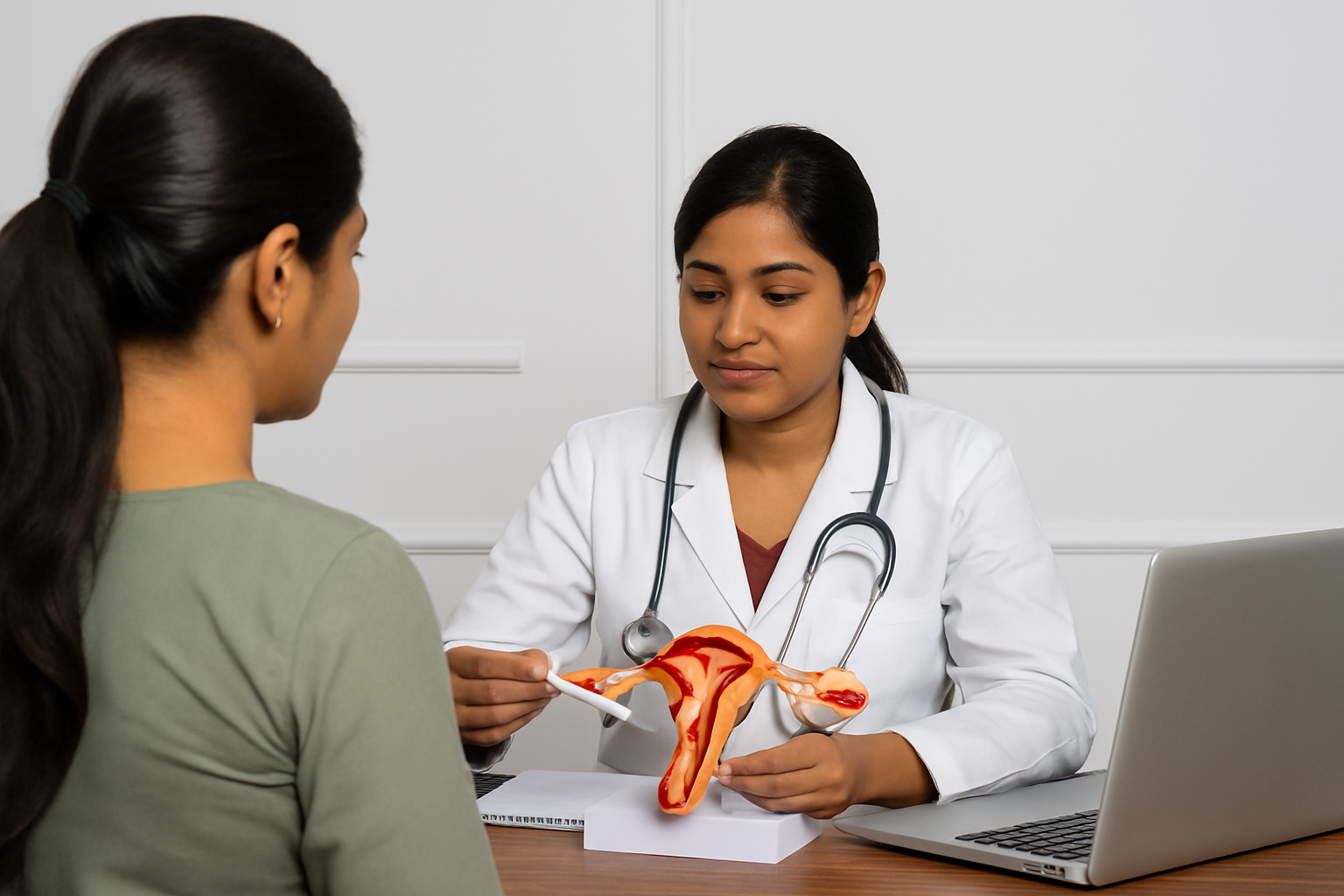
Polycystic Ovary Disease (PCOD), also known as Polycystic Ovary Syndrome (PCOS), is a common hormonal disorder affecting millions of women worldwide, particularly those of reproductive age. It is also characterized by irregular menstrual cycles, excessive androgen levels, and the presence of multiple cysts on the ovaries. PCOD can disrupt various aspects of a woman’s health, including fertility, metabolism, and emotional well-being. Early diagnosis through PCOD testing plays a very crucial role in managing this condition effectively and safeguarding hormonal health.
Understanding PCOD and Its Impact
PCOD arises from an imbalance in the female hormones, primarily an excess of androgens (male hormones) that disrupt normal ovarian function. This hormonal imbalance leads to irregular or absent periods, making it difficult for women to conceive. Additionally, PCOD often causes symptoms such as unwanted facial and body hair growth, acne, weight gain, and hair thinning. Beyond reproductive issues, PCOD is associated with insulin resistance, which increases the risk of developing type 2 diabetes and cardiovascular diseases.
Given the complex nature of PCOD and its potential health complications, early and accurate diagnosis is essential. Without proper intervention, the condition may worsen over time, leading to long-term health challenges such as infertility, metabolic syndrome, and mental health disorders including anxiety and depression.
The Importance of PCOD Testing
PCOD testing involves a combination of clinical evaluation, hormonal assays, and imaging studies. Blood tests measure hormone levels including luteinizing hormone (LH), follicle-stimulating hormone (FSH), testosterone, and insulin. These tests help to detect the characteristic hormonal imbalances of PCOD. Additionally, ultrasound imaging of the ovaries can reveal the presence of multiple cysts and assess ovarian size, which are key indicators in confirming the diagnosis.
These diagnostic tools allow healthcare providers to differentiate PCOD from other conditions with similar symptoms, such as thyroid disorders or adrenal gland abnormalities. Early detection through these tests enables personalized treatment plans tailored to the severity of the condition and individual health needs.
Benefits of Early Diagnosis and Management
Early diagnosis of PCOD through testing has several advantages. It allows for timely interventions that can regulate menstrual cycles, improve fertility outcomes, and manage symptoms like acne and excessive hair growth. Lifestyle modifications such as a balanced diet, regular exercise, and weight management are often recommended to improve insulin sensitivity and hormonal balance.
In some cases, medication may be necessary to address specific symptoms or hormonal imbalances. Birth control pills, anti-androgens, and insulin-sensitizing drugs are commonly prescribed treatments. Ongoing monitoring through regular PCOD testing helps assess the effectiveness of these interventions and guide any necessary adjustments.
PCOD Testing and Holistic Health
Beyond reproductive health, PCOD testing plays a vital role in preventing associated metabolic and psychological complications. Since PCOD increases the risk of insulin resistance, diabetes, and heart disease, regular monitoring can help in early identification and prevention of these conditions. Moreover, recognizing the emotional and psychological impact of PCOD emphasizes the need for comprehensive care, including mental health support.
Conclusion
In conclusion, PCOD testing is an indispensable part of women’s healthcare, offering insights into hormonal imbalances that affect not only fertility but overall well-being. Early and accurate diagnosis through hormone assays and ultrasound imaging empowers women to take control of their health with appropriate treatments and lifestyle changes. By prioritizing PCOD profile testing, women can better manage symptoms, reduce the risk of complications, and lead healthier, more fulfilling lives. Awareness and proactive care remain key to addressing the challenges posed by PCOD effectively.