Book on Whatsapp
9892101616

The Importance of Diabetes Test: Causes, Symptoms, and Treatment
Diabetes
Wed Jan 15 2025
Diabetes is a long-term illness that will impair the body's capacity to control blood sugar, or glucose, which fallout in high blood glucose levels. If it is untreated then it may have a major health issue. Diabetes testing is essential for early identification, and treatment, and will avert complications of health. In this article are examined that diabetes testing is the root cause, symptoms and treatment
Type Diabetes:
Type 1 Diabetes:- It is an autoimmune disease in which the body's immune system targets and kills the pancreatic cells that produce insulin. As a result, the slight to no insulin is produced. Although the precise aetiology is uncertain, environmental factors like viral infections and genetics may be involved. Although it can be the reason to strike at any age of human, type 1 diabetes is usually found first in the children or young adults.
Type 2 Diabetes:- This situation is brought on by the body's confrontation to insulin or by the pancreas' inability to adequately and produce enough insulin to control the blood sugar levels. It is frequently associated with the lifestyle and the variables such as heredity, non-hygienic food, obesity, and physical inactivity.
Diabetes during pregnancy:
Diabetes that develops during pregnancy will primarily go away after the baby is born. In the future, pregnant women with gestational diabetes are more likely to develop Type 2 diabetes. Changes in hormones will mostly impact how the body uses insulin.
Symptoms of Diabetes
Diabetes symptoms may not be immediately apparent since they develop gradually. The three most significant indicators of increased blood sugar are frequent urination, obesity, and health problems.
Importance of Diabetes Testing
To avoid major problems like heart disease, kidney failure, nerve damage, and visual loss, diabetes must be detected early. Diabetes can be detected by testing before serious harm is done. The following are the most often used tests to diagnose diabetes:
- Quick Blood Sugar Check: Blood glucose levels are measured by this test following an overnight fast. Diabetes is suggested by a reading of 126 mg/dL or above.
- Test for hemoglobin A1c: The test gives the result of the average blood sugar report. Diabetes is indicated by an A1c reading of 6.5% or greater.
- Random Blood Sugar Test: Blood sugar can be measured using this test at any time of day. Diabetes is suggested by an outcome of 180 mg/dL or greater, particularly if symptoms are present.
Medications:
- Insulin: To help control blood sugar, people with Type 1 diabetes and some with Type 2 diabetes also need insulin therapy.
- Oral Drugs: Drugs like as metformin assist regulate blood sugar levels by either enhancing the body's reaction to insulin or by lowering the liver's production of glucose.
- Other Injectable Drugs: By lowering blood sugar levels or promoting insulin production, other injectable treatments for Type 2 diabetes may aid in blood sugar regulation.
Conclusion
From the above mentioned in the article it has been concluded that an essential part of controlling and avoiding the complications of diabetes is diabetes testing. Regular testing will help to detect diabetes early, and also allow people to control blood sugar levels and lower their chance of developing major health problems. A combination of medicine, lifestyle modifications, and regular monitoring can that will help people with diabetes live healthy lives. If the person has diabetes symptoms or is at risk, discuss the right tests and treatment choices with the healthcare professional
Related Tests
Related Packages

TRU Diabetic Profile - Advance
₹ 3999

TRU Diabetic Profile - Basic
₹ 1299

Basic Health Check Package
Why Full Body Health Check-ups are Essential for Your Well-being
Routine full body health check-ups are crucial for everyone-no matter what age. Your check-up reports are useful in tracking a disease before it causes a risk to your life. Yearly health checkups help in the timely detection of dangerous lifestyle diseases. Discovering such illnesses at an early stage reduces the treatment invasion and severity of the ailment. It also aids in decreasing complications and treatment costs.
Being proactive about your health is crucial to maintaining your fitness, and Manipal TRUtest's full body health check package ensures a thorough examination of your health status. This comprehensive program is designed to monitor and assess overall body health through various tests that help identify potential health issues early on. Whether you feel fine or have health concerns, a full-body checkup is the best approach for detecting, preventing, and treating issues at their early stages.
The full body checkup price offered by Manipal TRUtest is highly competitive, providing a cost-effective way to receive comprehensive health screenings without compromising quality. This package covers essential health indicators, including kidney and liver function, blood sugar levels, thyroid function, cholesterol levels, and more. Early detection of these issues can help prevent severe health problems, making it essential to stay informed about your overall health for a healthier life.
You can easily book basic health checkup packages through our user-friendly platform. You may visit the nearest clinic or have the tests done at home, making it easier to prioritize your health. Our highly trained staff and technicians ensure accurate results, providing you with a detailed report on your health in a short time. Begin your journey to a healthier life today by scheduling your full body health checkup with Manipal TRUtest.
₹ 1149

TRU Care Package
What is TRU Care Package?
The most ideal test package covering most vital organs functions of the body like Complete Blood Count (CBC), Liver, Kidney, Thyroid and Diabetes which will help in screening health at the most economical rate.
₹ 799
Related Blogs

Diabetes
Winter & Diabetes: Why Sugar Monitoring Is Crucial in December
Winter, especially December, is a time for fun festivities, warm food, and a marked change in lifestyles. While it is a season of warmth and festivities, it can prove to be a challenge for people suffering from diabetes. Cold climates, inactivity, irregular meal times, and celebrations with lots of food can lead to poor sugar control in people with diabetes, making it an important season to check sugar levels.
One of the main reasons why people suffer from fluctuating blood sugar levels during winter is a lack of physical activity. As a result of shorter days and lower temperatures, people tend to avoid going out for exercise, thus resulting in a sedentary lifestyle. Physical activity is an important factor in dealing with insulin in a proper manner by the body. As a result of less activity, people can suffer from insulin resistance, which can cause their blood sugar to fluctuate.
Patterns of food intake also tend to change in December. Christmas treats, carbohydrate-rich foods, night parties, and random times for eating may quickly raise blood sugar levels. Those with diabetes may have trouble controlling their food portions during merryments, making them prone to hyperglycemia. Frequent tests of blood sugar concentrations can enable a diabetic individual to know how food affects their blood sugar, which will enable them to make healthy food decisions without boycotting celebrations.
Cold weather can have a direct impact on the blood sugar control of a person. The warm-up process alone will force the body to consume more energy, and that can sometimes lead to erratic glucose levels. Meanwhile, the signs of low blood sugar—like sweating, shivering, and tiredness—might be wrongly interpreted as the effects of cold—later treatment will be nothing but late. Regular monitoring of blood glucose ensures that the person is aware of the state, lowering the risk of emergencies from either high or low sugar levels. Another winter concern that cannot be overlooked is sickness. The months of December and January bring more colds, flu, and infections, all of which are factors that significantly increase blood sugar levels through the release of stress hormones in the body. Not even the persons with good control of diabetes could escape the sudden glucose spikes during sickness. Frequent blood sugar checks should become a necessity in the case of sickness so that medical treatments, insulin amounts, or diets can be adjusted accordingly.
The winter season is the time when patients with diabetes need to have their tests such as Fasting Blood Sugar (FBS), Postprandial Blood Sugar (PPBS), and HbA1c, done more frequently. While glucose testing done daily gives instant information, the HbA1c test shows the entire picture of the blood sugar control during the past three months. These tests work hand in hand, and the combination of all three gives the doctors the chance to evaluate the total diabetes care and to make treatment and lifestyle adjustments before complications occur.
When blood sugar is not monitored during winter, that might lead to complications in the long term, such as nerve damage, kidney disease, eye problems, and heart disorders. December is already a risky month because of the disruptions in lifestyle, so people with diabetes should be taking active rather than passive measures in their care.
The bottom line is that winter and diabetes need more attention, not less. The festive spirit of December should not mean neglecting health. Blood sugar testing done regularly makes it easier for individuals to keep the equilibrium, deliberate choosing of lifestyles, and prevent the complications that are not necessary. If people with diabetes do regular glucose tests in winter, they can safely enjoy the season while keeping their health firmly under control.
This festive season, keep your diabetes in check with confidence. Manipal TRUtest offers accurate blood sugar testing, HbA1c assessments, preventive health packages, and convenient home sample collection services.
Celebrate Winter responsibly—book your diabetes tests today and step into the New Year healthier and worry-free.
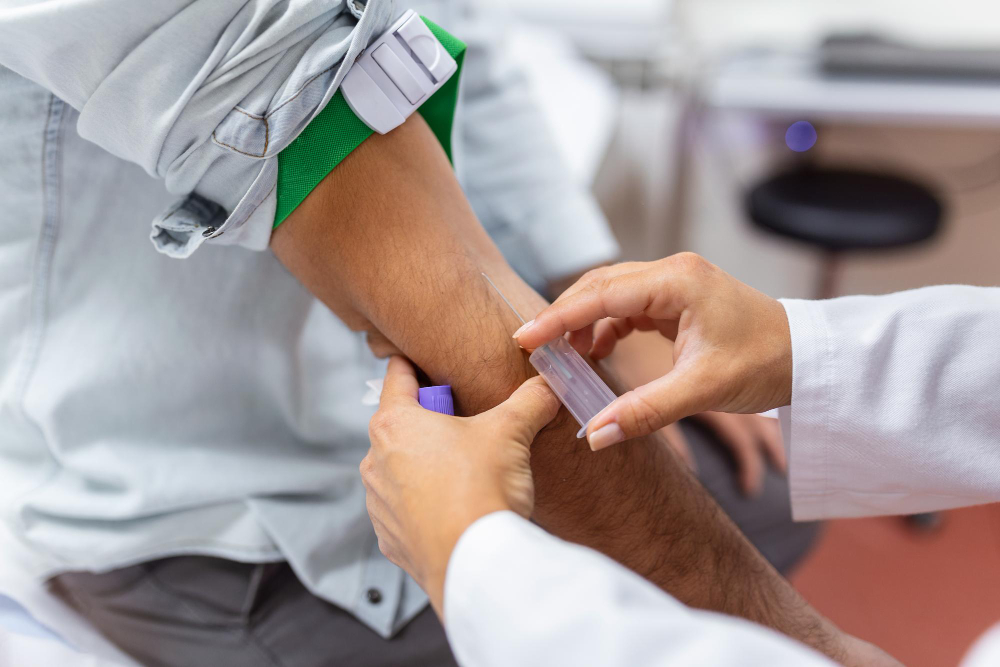
Diabetes
How Regular HbA1c Testing Supports Diabetes Care
Diabetes is a chronic condition that affects how the body processes blood sugar (glucose), and effective management is essential to prevent complications. Among the many tools available to monitor diabetes, the HbA1c test is one of the most reliable. Also known as the glycated hemoglobin test, HbA1c measures the average blood glucose levels over the past two to three months, providing a more comprehensive picture than daily glucose checks.
What Is HbA1c?
Hemoglobin is a protein in red blood cells that carries oxygen throughout the body. When blood sugar levels are high, glucose attaches to hemoglobin, forming glycated hemoglobin or HbA1c. The higher the blood sugar levels over time, the more HbA1c will be present in the blood. This test reflects long-term glucose control rather than short-term fluctuations, making it a valuable tool in diabetes management.
For individuals without diabetes, a normal HbA1c level is below 5.7%. A reading between 5.7% and 6.4% may indicate prediabetes, while levels of 6.5% or higher typically confirm a diagnosis of diabetes. For most people with diabetes, the target HbA1c level is below 7%, although the goal may vary based on age, health condition, and individual risk factors.
Importance of Regular HbA1c Testing
Regular HbA1c testing is essential for both diagnosing diabetes and evaluating how well it is being managed. Unlike daily blood sugar tests that can vary depending on meals, stress, and activity levels, the HbA1c test provides an average over a longer period. This helps doctors and patients understand the overall effectiveness of a treatment plan, including diet, medication, and exercise routines.
By monitoring HbA1c levels every three to six months, healthcare providers can detect whether blood sugar is being properly controlled. If levels remain consistently high, it may be necessary to adjust medications, make dietary changes, or introduce new lifestyle strategies. On the other hand, stable and healthy HbA1c readings confirm that current treatment methods are effective.
Preventing Long-Term Complications
To prevent the long-term complications and consistently high blood sugar levels that can lead to serious health complications, including heart disease, nerve disorders, kidney damage, vision problems, and poor wound healing. Regular HbA1c that testing allows early detection of potential problems and helps in making timely interventions. To keeping HbA1c levels within the target range reduces the risk of long-term complications and enhances the quality of life for individuals living with diabetes.
Personalized Diabetes Management
Every individual responds differently to treatment. Some may achieve control with lifestyle changes alone, while others require medications or insulin therapy. HbA1c testing supports personalized care by allowing adjustments based on a person’s unique response to treatment. It empowers both patients and doctors to make informed decisions and set realistic health goals.
Conclusion
Regular HbA1c testing is a cornerstone of effective diabetes care. It offers a clear and reliable picture of long-term blood sugar control, enables timely adjustments to treatment plans, and helps prevent serious health complications. For anyone living with diabetes or at risk of developing it, staying informed through regular HbA1c tests is a proactive step toward better health and well-being. With the right monitoring and care, managing diabetes becomes more achievable and less overwhelming.
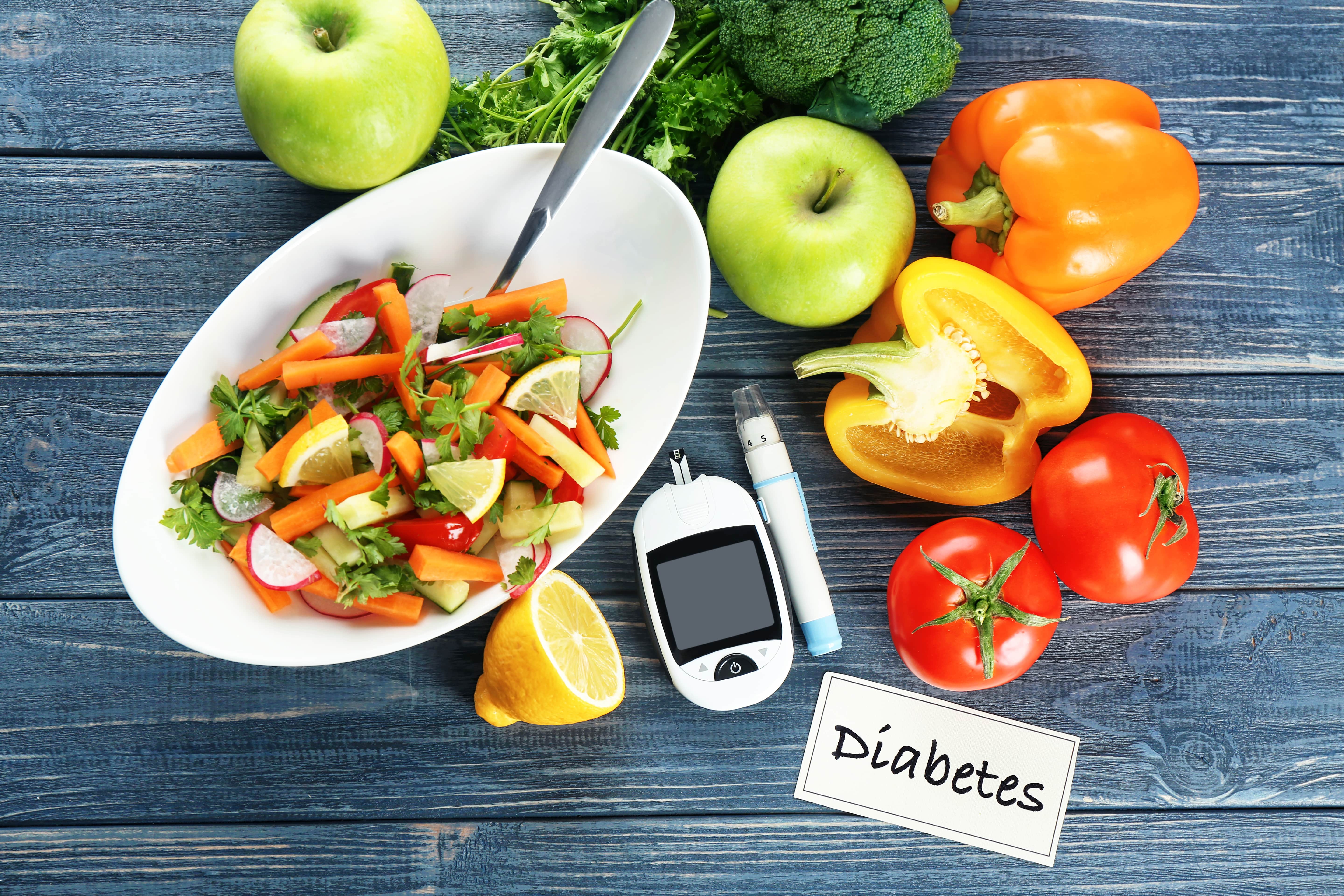
Diabetes
Foods for Blood Sugar Control in Type 2 Diabetes
Managing Type 2 diabetes requires making smart choices, especially when it comes to food. What you eat plays a major role in controlling your blood sugar levels and maintaining overall health. With the right diet, you can feel more energetic, avoid complications, and enjoy a better quality of life. Eating well is a powerful step toward a healthier, happier you!
1. Leafy Green Vegetables
Leafy greens like spinach, kale, and fenugreek leaves are packed with vitamins, minerals, and fiber. They are low in calories and carbohydrates, which makes them ideal for people with diabetes. These vegetables also have antioxidants that help protect against inflammation and damage caused by high blood sugar levels.
2. Whole Grains
Unlike refined grains, whole grains such as oats, quinoa, brown rice, and whole wheat are rich in fiber. Fiber slows down the digestion process, preventing sudden spikes in blood sugar. Choosing whole grains over white rice or white bread can lead to more stable energy levels throughout the day.
3. Nuts and Seeds
Almonds, walnuts, chia seeds, and flaxseeds are excellent choices for people managing Type 2 diabetes. They are loaded with healthy fats, fiber, and protein, all of which helps to maintain blood sugar balance. A small handful of nuts as a snack can keep you full longer and prevent unhealthy cravings.
4. Fatty Fish
Fish like salmon, sardines, and mackerel are rich in omega-3 fatty acids. These healthy fats help reduce inflammation, lower triglyceride levels, and support heart health, which is very important for people with diabetes. Grilled, baked, or steamed fish twice a week can be a great addition to your diabetes-friendly diet.
5. Beans and Lentils
Beans, chickpeas, and lentils are affordable, nutritious, and highly beneficial for blood sugar control. They are rich in fiber and protein, which slow down the release of sugar into the bloodstream. Including a variety of legumes in your diet can improve both blood sugar and heart health.
6. Berries
Berries such as strawberries, blueberries, and raspberries are sweet but low in sugar compared to many other fruits. They also contain antioxidants and fiber. A small serving of berries can satisfy your sweet cravings without causing a blood sugar spike.
7. Greek Yogurt
Greek yogurt is a rich source of protein and probiotics, which can aid digestion and support metabolic health. It has fewer carbohydrates than regular yogurt and can help you feel full longer. Choose plain, unsweetened versions to avoid hidden sugars.
Controlling blood sugar doesn’t mean giving up tasty foods. With thoughtful planning and the right choices, you can enjoy a variety of delicious, nutritious meals that help manage Type 2 diabetes effectively. Regular health checkups through manipaltrutest.com can help you track your progress and make informed decisions about your diet and health. For those looking for regular health monitoring, visiting trusted centers like Manipal TRUtest can ensure you stay updated on your health.