Book on Whatsapp
9892101616

Top Radiology Centres in Haryana Offering Comprehensive Diagnostic Services
Radiology
Mon Feb 17 2025
The role of radiology in medical diagnosis cannot be overstated: it is the sine qua non for any state-of-the-art, accurate detection or diagnosis of any health condition. Among the top radiology centres in Haryana, Manipal HealthMap is considered the most dependable and most advanced diagnostic facility. With the most modern equipment and a team of expert radiologists, Manipal HealthMap makes every effort to ensure accurate and timely diagnosis, thus contributing immensely to patient care and treatment outcomes.
Manipal HealthMap: State-of-the-Art Technology for Precision Diagnostics
Manipal HealthMap is known for its commitment to technological advances in medical imaging. High-resolution MRI (Magnetic Resonance Imaging), CT (Computed Tomography) scans, ultrasound, digital X-rays, and mammography services are available at the centre. These diagnostic tools provide detailed, accurate insight into health conditions so that effective treatment can be offered by medical professionals.
In addition, they make use of AI-powered imaging solutions to enhance diagnostic accuracy. This system 3D images and simultaneous reporting to present timely and accurate results to patients, which could significantly reduce the incidence of errors in diagnostics and is therefore patient-safe.
A Full Range of Services
Manipal HealthMap has expertise in a wide range of diagnostic services which have applications in many medical specialties. These include:
1. MRI & CT Scans
- High-resolution imaging by 1.5T and 3T MRI machines
- Highly sophisticated multi-slice CT scanners for accurate cross-sectional images
- Specialized MRI scans for neurological, musculoskeletal, and vascular conditions
2. Digital X-Rays & Ultrasound
- Low-radiation digital X-ray for safer imaging
- 3D/4D ultrasound for prenatal and abdominal diagnostics
- Elastography for liver fibrosis assessment
3. Mammography & Women’s imaging
- Digital mammography for early breast cancer detection
- Bone densitometry (DEXA scans) for osteoporosis assessment
- Specialised ultrasound for gynaecological and fetal imaging
4. Interventional Radiology
- Minimally invasive procedures for vascular and non-vascular conditions
- Imaging-guided biopsies for accurate diagnosis of diseases
- Therapeutic interventions, like drainage procedures
5. Preventive Health Screenings
- Full body health check-ups including radiology screenings
- Cancer screening for the early detection of lung, breast, and colorectal cancers
- Cardiac Imaging for heart health evaluation
- Expert Team of Radiologists and Technicians
At Manipal HealthMap, a team of highly qualified and experienced radiologists, sonographers, and radiology technicians ensure the highest standard of diagnostic accuracy. Each specialist is dedicated to interpreting imaging results with precision and is working closely with physicians to assist in accurate diagnosis and effective treatment planning. The centre also keeps the comfort and safety of the patient at the top of the mind, and strives to minimize discomfort in every procedure.
Patient-Focused and Quality Care
The patient-first ethos is what distinguishes Manipal HealthMap from the rest. The centre is designed to guarantee a smooth and comfortable experience, featuring perks like online appointment scheduling, access to digital reports, and access to expert consultation. The diagnostic centre adheres to international standards to ensure cleanliness, safety, and procedural accuracy.
Patients enjoy:
- Minimal waiting time and fast report delivery
- Affordable rates, no compromises on quality
- Compassionate staff treating patients to comfort in their diagnostic process.
Conclusion
Manipal HealthMap has earned a solid reputation in the radiology field in Haryana, with the latest technology, comprehensive diagnostics services, and patient-first approach. The centre, with its uncompromised commitment to excellence in medical imaging, is the most trustworthy choice for patients and healthcare providers. Be it for routine screening or advanced diagnostic needs: Manipal HealthMap symbolizes the gold standard in radiology services, creating new benchmarks in diagnostic accuracy and patient care.
For those seeking the best diagnostic service in Haryana, Manipal HealthMap is all about the precision, reliability, and excellence of every scan.
Haryana, providing residents with quality diagnostic imaging for accurate and timely medical care.
Related Tests
Related Packages

Basic Health Check Package
Why Full Body Health Check-ups are Essential for Your Well-being
Routine full body health check-ups are crucial for everyone-no matter what age. Your check-up reports are useful in tracking a disease before it causes a risk to your life. Yearly health checkups help in the timely detection of dangerous lifestyle diseases. Discovering such illnesses at an early stage reduces the treatment invasion and severity of the ailment. It also aids in decreasing complications and treatment costs.
Being proactive about your health is crucial to maintaining your fitness, and Manipal TRUtest's full body health check package ensures a thorough examination of your health status. This comprehensive program is designed to monitor and assess overall body health through various tests that help identify potential health issues early on. Whether you feel fine or have health concerns, a full-body checkup is the best approach for detecting, preventing, and treating issues at their early stages.
The full body checkup price offered by Manipal TRUtest is highly competitive, providing a cost-effective way to receive comprehensive health screenings without compromising quality. This package covers essential health indicators, including kidney and liver function, blood sugar levels, thyroid function, cholesterol levels, and more. Early detection of these issues can help prevent severe health problems, making it essential to stay informed about your overall health for a healthier life.
You can easily book basic health checkup packages through our user-friendly platform. You may visit the nearest clinic or have the tests done at home, making it easier to prioritize your health. Our highly trained staff and technicians ensure accurate results, providing you with a detailed report on your health in a short time. Begin your journey to a healthier life today by scheduling your full body health checkup with Manipal TRUtest.
₹ 1149

TRU Care Package
What is TRU Care Package?
The most ideal test package covering most vital organs functions of the body like Complete Blood Count (CBC), Liver, Kidney, Thyroid and Diabetes which will help in screening health at the most economical rate.
₹ 799

TRU Male Andrology Profile
₹ 2499
TRU Raksha Package - Advanced
₹ 4999

Male - TRU Gold Package
Prioritize your well-being with our specialized Male TRU Gold Health Check-up Package- 91 Tests At Rs.2999/- in India at Manipal TRUtest. Book your appointment today and take proactive steps towards maintaining optimal health.
₹ 2999

TRU Raksha Package - Basic
₹ 1699

TRU Vital Health Package - Advance
₹ 1799

TRU Pre-Operative Profile
₹ 1200

Good Health
Good Health Package
The fast-paced life can get the most of you if you don’t keep an eye on what is happening inside your body. Since you only have one body and no do-overs in life, just like regular services you get for your vehicle. Keep all your bodily functions in check with our Good Health Package. We provide a range of tests like CBC, Liver Function Test (LFT), Lipid Profile (Complete Calculated), Kidney Function Test (KFT), Urine Routine, Thyroid Profile, Glucose, Random (R) and mineral deficiency tests like Iron Studies, Calcium, Serum, ESR and HbA1C too. The test results will provide you with an insight into what kind of lifestyle you have been living and what can you do to be better at it.
₹ 999
Related Blogs
Radiology
Everything You Should Know About Head MRI and Cost
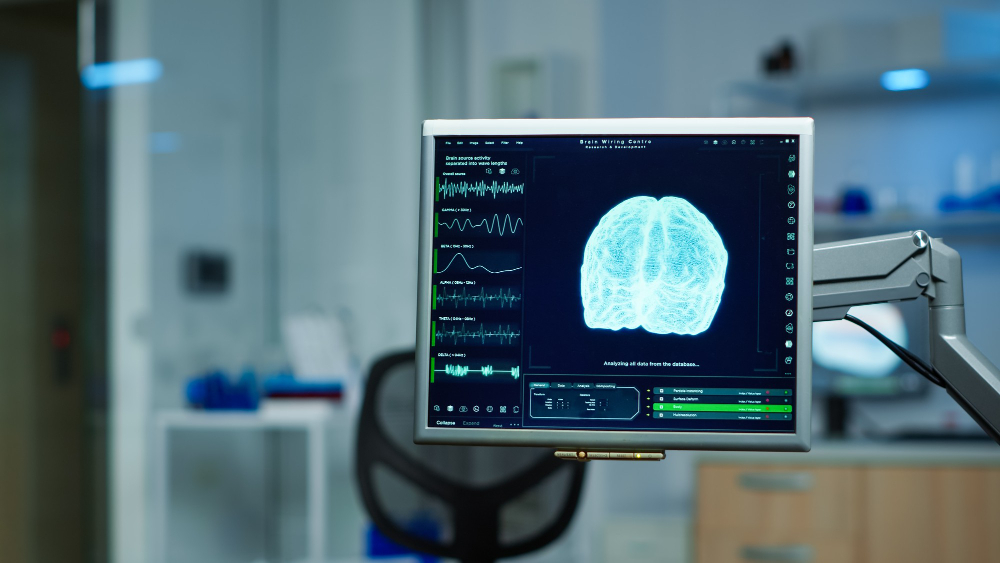
Magnetic Resonance Imaging (MRI) is a powerful diagnostic tool that helps medical professionals visualize the internal structures of the body in detail. A Head MRI is a non-invasive imaging procedure that creates detailed images of the brain, skull, blood vessels, and surrounding tissues. It is widely used to detect and evaluate various neurological conditions, injuries, and abnormalities.
What is a Head MRI?
A Head MRI uses strong magnetic fields and radio waves to generate images of the brain and other structures inside the head. Unlike X-rays or CT scans, it does not involve ionizing radiation, making it safer, especially for repeated use. The procedure usually takes around 30 to 60 minutes and may involve the use of contrast dye (gadolinium) to enhance the visibility of certain areas.
Why is a Head MRI Recommended?
Doctors recommend a head MRI for various reasons, including:
- Persistent Headaches or Migraines: To rule out underlying neurological causes.
- Seizures: To identify any abnormalities in the brain tissue.
- Stroke Symptoms: To detect signs of stroke or mini-strokes (TIAs).
- Traumatic Brain Injury: To assess the extent of damage following an accident or injury.
- Brain Tumors: To locate and evaluate tumors or cysts.
- Multiple Sclerosis (MS): To detect and monitor lesions or inflammation in the brain.
- Infections: Such as encephalitis or meningitis.
- Dizziness or Vision Problems: When symptoms point to a neurological cause.
How is a Head MRI Performed?
The patient lies on a movable table that slides into the MRI scanner a large, cylindrical machine. During the scan, it is crucial to stay still to obtain clear images. The procedure is painless, although the machine may make loud thumping or tapping sounds. Patients with claustrophobia may be given a mild sedative. If contrast is required, it is injected through a vein in the arm before or during the scan.
Safety Considerations
While MRIs are generally safe, they are not suitable for everyone. Individuals with pacemakers, metal implants, or certain other medical devices may not be eligible for an MRI. It’s essential to inform the radiologist about any medical conditions, allergies, or pregnancy before the procedure.
Cost of a Head MRI in India
The cost of a head MRI can vary significantly based on location, the type of facility (private vs. public), and whether contrast dye is used. Some factors influencing the cost include:
- City or Region: Tier 1 cities usually have higher costs.
- Hospital or Diagnostic Center: Premium centers may charge more.
- Type of MRI Machine: High-resolution 3 Tesla MRIs may cost more than standard 1.5 Tesla machines.
- Insurance Coverage: Some health insurance policies cover the cost of diagnostic tests, including MRIs.
A Head MRI is an invaluable tool in modern medicine, offering detailed insights into the brain and related structures. While the procedure is safe and non-invasive, it should only be performed upon a doctor’s recommendation. Knowing the approximate cost and process helps patients make informed decisions about their health and diagnostics.
If you are experiencing symptoms such as persistent headaches, memory loss, or neurological changes, consult your healthcare provider. Timely imaging can lead to early diagnosis and better treatment outcomes.
For accurate and affordable MRI scans , visit the nearest Manipal TRUtest center
Radiology
The Importance of MRI Scans in Detecting Health Issues
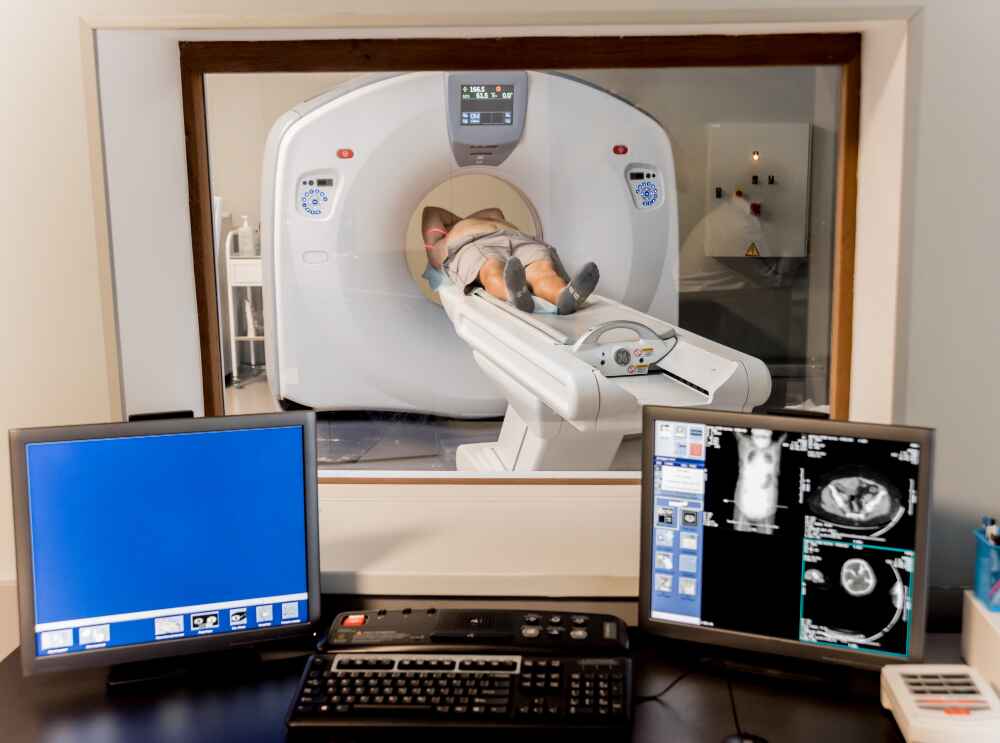
Medical imaging has transformed healthcare, and MRI (Magnetic Resonance Imaging) stands out as one of the most important tools for early and accurate diagnosis. An MRI scan uses powerful magnets and radio waves to create detailed images of the inside of the body, without the use of radiation. This helps doctors identify health problems quickly and plan the best treatment for their patients.
What Makes MRI Scans So Valuable?
Unlike X-rays or CT scans, MRI provides highly detailed pictures of soft tissues, organs, and even the nervous system. It is especially useful in detecting issues in the brain, spine, joints, heart, and internal organs. When symptoms are unclear, an MRI can uncover hidden problems that other scans might miss. This makes it a trusted choice for doctors who want a clearer view of what’s happening inside the body.
At Manipal TRUtest, advanced MRI services ensure that patients get accurate and reliable results quickly, helping them start treatment without unnecessary delays.
Common Health Issues Detected by MRI
MRI scans are used to diagnose a wide range of conditions, such as:
- Brain and spinal cord issues: MRI is excellent at detecting brain tumors, strokes, multiple sclerosis, and spinal cord injuries.
- Joint problems: If you have unexplained joint pain, an MRI can show damage to ligaments, cartilage, and muscles.
- Heart conditions: Doctors use MRI to assess the structure and function of the heart, helping to diagnose heart diseases early.
- Organ health: MRI scans can spot liver diseases, kidney problems, and abnormalities in other internal organs.
By offering clear images, MRI helps in creating the right treatment plan, making recovery faster and smoother.
When Should You Consider an MRI?
Doctors usually recommend an MRI when they need a deeper understanding of a health issue. You may need an MRI if:
- There is a need to monitor known conditions like tumors or injuries.
- You experience unexplained symptoms that cannot be diagnosed with other imaging tests.
- You have persistent headaches, seizures, or dizziness.
- You are suffering from chronic joint or back pain.
Choosing a trusted center like Manipal TRUtest for your MRI scan ensures that you are in safe hands, receiving quality care at every step.
How to Prepare for an MRI Scan
Preparing for an MRI scan is usually rather straightforward. You may be asked to remove metal items such as jewellery before the scan. If you have any metal implants or pacemakers, let the technician know beforehand. You may receive a contrast dye to enhance the imaging during the scan. The MRI scan is painless, and you will usually be able to go home shortly thereafter.
At Manipal TRUtest , the medical team guides you through every step, making sure you are comfortable and well-informed before and after the procedure.
The role of MRI scans in modern medical diagnosis is substantial. An MRI scan has the potential to find serious health issues quickly and even save lives. If it is a brain condition, a heart issue, or pain with an unknown origin, an MRI provides the clarity needed to move forward with confidence. Why not trust a reliable service to perform the MRI? Take the time to be proactive with your health, and go to Manipal TRUtest for accurate MRI imaging.
Radiology
When and Why You Might Need an Abdominal Scan
The abdomen is where important organs such as the liver, kidneys, pancreas, gallbladder, and intestines all reside. When something doesn't feel right in this area, doctors often recommend an abdominal scan to figure out what is going on inside the abdomen. These scans are safe, quick, and can help provide important information for the next step in your path to better health.
What is an Abdominal Scan?
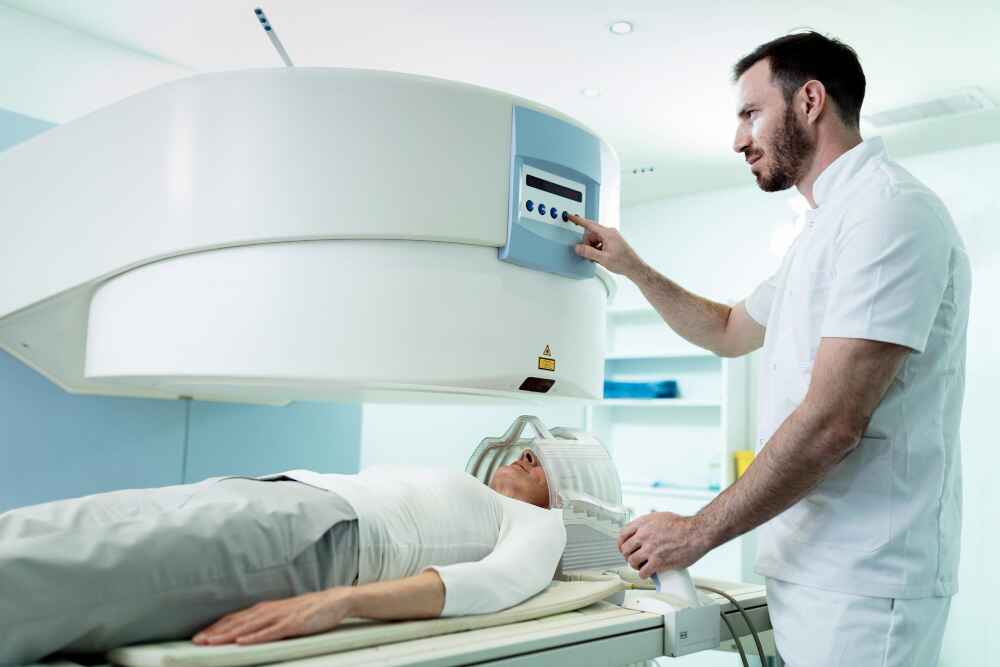
An abdominal scan is an imaging test that allows doctors to view organs and tissues inside the belly. It can be done by different procedures such as ultrasound, CT scan and MRI. Each technique has its own benefits, depending on what the doctor is looking for. The scans are quick and painless, and can sometimes identify problems early on before they have developed into symptoms.
When Might You Need an Abdominal Scan?
There are many reasons a doctor might recommend an abdominal scan. Some of the most common situations include:
1. Unexplained Pain
If you are experiencing pain in your abdomen that does not go away, a scan can help identify the cause. It could be due to gallstones, liver issues, infections or kidney stones,
2. Digestive Problems
Persistent issues like nausea, vomiting , and changes in bowel habits may require a closer look. An abdominal scan can reveal if there are any blockages, swelling, orabnormalities in the digestive organs.
3. Injury or Trauma
After an accident or a fall, an abdominal scan is often done to check for internal bleeding and organ damage. Even if there are no external injuries, it is important to ensure that the internal organs are safe.
4. Suspected Infections
Infections in the abdomen, such as a reddened appendix or an abscess, which can be dangerous if not treated quickly. A scan helps detect these circumstances so that the right treatment can begin without delay.
5. Monitoring Existing Conditions
For people already diagnosed with conditions like liver disease, kidney problems, and cancer, regular abdominal scans are important. They help monitor the disease’s progress and assess how well the treatment is working.
6. Checking for Tumors or Growths
An abdominal scan can spot abnormal growths like tumors, lumps, and cysts. Early detection makes it easier to manage these conditions effectively.
Different Types of Abdominal Scans
Depending on the situation, your doctor may choose one of the following scans:
- Ultrasound: Common for checking gallbladder, liver, and kidneys. It’s quick and uses sound waves instead of radiation.
- CT Scan: Provides more detailed images and is often used to spot injuries, infections, or tumors.
- MRI Scan: Gives very detailed pictures, especially useful for soft tissues and blood vessels.
Each scan has its own benefits, and your healthcare provider will decide which one suits your needs best.
How to Prepare for an Abdominal Scan
Preparation depends on the type of scan. For ultrasounds, you might be asked to fast for a few hours beforehand. For CT or MRI scans, you may need to drink a contrast liquid or receive an injection to make certain areas clearer. Always follow the instructions given by the healthcare team to ensure accurate results.
An abdominal scan is a powerful tool that helps doctors see inside your body without surgery. Whether it’s unexplained pain, digestive troubles, or simply monitoring an ongoing condition, these scans play a key role in keeping you healthy. If your doctor recommends an abdominal scan, it is a step towards understanding your health better and taking timely action when needed.