Book on Whatsapp
9892101616

When Fever Persists, Get Tested for Better Health
Monsoon Fever
Wed Jul 23 2025
A fever is the body’s natural response to infections, signaling that the immune system is actively fighting off viruses or bacteria. However, when a fever lasts more than 3 days or keeps recurring, it’s essential to take it seriously. In such cases, a fever test can help identify the underlying cause—whether it’s a viral infection, bacterial illness, or something more serious. Ignoring prolonged or repeated fevers may delay the diagnosis of deeper health conditions. A timely fever test ensures early detection and proper treatment, safeguarding your long-term health.
In some cases, a prolonged fever may also indicate a serious bacterial infection, such as typhoid, tuberculosis, or a urinary tract infection. It could also be associated with conditions like malaria, autoimmune disorders, or even certain types of cancers. If left untreated, these underlying issues may worsen over time.
Warning Signs That Require Attention
If a fever lasts more than a few days and is accompanied by chills, night sweats, loss of appetite, fatigue, or unexplained weight loss should not be overlooked.
These symptoms require immediate medical attention. Diagnostic tools like
blood tests, imaging scans, or cultures can help identify the exact cause.
The causes of prolonged fever range from common viral infections like dengue, malaria, and flu to more serious conditions such as tuberculosis, urinary tract infections, or autoimmune disorders. In some cases, persistent fever may even point toward cancers like leukemia or lymphoma. Instead of relying solely on home remedies or over-the-counter medicines, consulting a healthcare professional and getting tested is essential.
Importance of Diagnostic Testing
Diagnostic tests such as a complete blood count (CBC), malaria parasite test, dengue NS1 antigen, urine analysis, and chest X-ray can help identify the exact cause. Blood cultures and other advanced investigations may be necessary if the fever remains unexplained. These tests not only detect infections but also evaluate the functioning of key organs like the liver and kidneys.
Delaying diagnosis can make the illness worse. For instance, in typhoid or urinary infections, untreated fever can lead to severe complications. In cases like tuberculosis or viral hepatitis, early detection through testing can prevent transmission to others and ensure timely treatment.
Risks of Delaying Diagnosis
Moreover, persistent fever may affect energy levels, appetite, and sleep, weakening the immune system further. Children, the elderly, and people with chronic conditions are more vulnerable to the risks associated with high or prolonged fever.
Conclusion
In conclusion, fever should never be taken lightly, especially if it lasts beyond a few days. Instead of waiting for it to resolve on its own, timely testing and diagnosis can lead to better outcomes. Being proactive with your health not only speeds up recovery but also helps in preventing complications and safeguarding others around you.
Related Tests
Related Packages

Fever Screening Package - Advanced
Comprehensive Fever Panel Test
Fever Screening Package (Advanced) is a gamut of tests done to check the reasons for fever. Patients opt for this test when they are suffering from chronic fever or long-term fever. If you're experiencing fever or flu-like symptoms, it's crucial to identify the cause quickly to receive appropriate treatment. The Manipal TRUtest fever screening panel is specifically designed to help diagnose bacterial and viral infections that may cause fever.
This comprehensive test kit offers a range of blood tests to evaluate the various potential causes of fever, from viral infections like malaria and dengue to bacterial infections such as typhoid and urinary tract infections. The fever screening and check-up kit includes 54 tests, providing a thorough assessment of your condition. By identifying the exact cause of your fever, doctors can tailor treatment plans to ensure optimal results.
Our package includes an extensive examination, ensuring that even mild symptoms don’t overlook any underlying issues.
At only Rs. 2299, this viral fever screening and check-up package is an excellent value for the wide range of tests included. You can conveniently book this package from the comfort of your home. Our healthcare professionals will visit your home, conduct the required tests, and ensure you receive your results promptly.
With home collection, you can focus on recovering and feeling better without the need to visit a clinic.
Don’t wait for your symptoms to worsen—take action now. Book your viral fever screening & check-up at home today. With reliable results and quick turnaround times, you can get back to feeling your best with the right diagnosis and treatment.
₹ 2299

TRU Vital Health Package - Advance
₹ 1799

Basic Health Check Package
Why Full Body Health Check-ups are Essential for Your Well-being
Routine full body health check-ups are crucial for everyone-no matter what age. Your check-up reports are useful in tracking a disease before it causes a risk to your life. Yearly health checkups help in the timely detection of dangerous lifestyle diseases. Discovering such illnesses at an early stage reduces the treatment invasion and severity of the ailment. It also aids in decreasing complications and treatment costs.
Being proactive about your health is crucial to maintaining your fitness, and Manipal TRUtest's full body health check package ensures a thorough examination of your health status. This comprehensive program is designed to monitor and assess overall body health through various tests that help identify potential health issues early on. Whether you feel fine or have health concerns, a full-body checkup is the best approach for detecting, preventing, and treating issues at their early stages.
The full body checkup price offered by Manipal TRUtest is highly competitive, providing a cost-effective way to receive comprehensive health screenings without compromising quality. This package covers essential health indicators, including kidney and liver function, blood sugar levels, thyroid function, cholesterol levels, and more. Early detection of these issues can help prevent severe health problems, making it essential to stay informed about your overall health for a healthier life.
You can easily book basic health checkup packages through our user-friendly platform. You may visit the nearest clinic or have the tests done at home, making it easier to prioritize your health. Our highly trained staff and technicians ensure accurate results, providing you with a detailed report on your health in a short time. Begin your journey to a healthier life today by scheduling your full body health checkup with Manipal TRUtest.
₹ 1149
Related Blogs

Monsoon Fever
Post-Monsoon Infections: Why Dengue, Malaria, and Typhoid Blood Tests Are Still Essential in November
The monsoon season brings much-needed relief from the summer heat, but it also creates the perfect environment for several infectious diseases. Even after the rains end, the risk of infections like dengue, malaria, and typhoid remains high. November is a critical month when stagnant water, humid weather, and fluctuating temperatures continue to support the growth of mosquitoes and bacteria. This makes timely blood tests essential for detecting infections early and preventing complications.
Why the Risk Persists After Monsoon
Many people assume that the end of the rainy season marks the end of mosquito-borne and waterborne diseases. However, that is not the case. Stagnant water in open containers, drains, and puddles remains a breeding ground for mosquitoes long after the rains stop. Mosquitoes carrying the dengue and malaria parasites thrive in this environment. Similarly, contaminated water and poor hygiene during the post-monsoon period increase the risk of typhoid and other gastrointestinal infections.
Dengue: Early Detection Matters
Dengue fever is caused by the bite of the Aedes aegypti mosquito. Symptoms often include high fever, body pain, rashes, and nausea. In severe cases, it can progress to dengue hemorrhagic fever, which may lead to internal bleeding and organ damage. A simple blood test, such as the dengue NS1 antigen test or antibody test, helps in quick diagnosis. Early detection is critical because dengue does not have a specific cure, and supportive care works best when started at the right time.
Malaria: A Preventable Yet Persistent Threat
Malaria remains one of the most common post-monsoon infections. It is transmitted by the bite of the female Anopheles mosquito. Symptoms include chills, sweating, fatigue, and recurring fever. If untreated, malaria can cause severe anemia, kidney damage, and other complications. A malaria blood test, such as a peripheral smear or rapid antigen test, confirms the presence of the parasite. Testing is important even if symptoms seem mild, as malaria can quickly worsen without proper treatment.
Typhoid: The Hidden Post-Monsoon Danger
Unlike mosquito-borne diseases, typhoid is spread through contaminated water and food. During November, water stagnation and unhygienic conditions make it easier for the Salmonella typhi bacteria to infect people. Typhoid presents with symptoms like prolonged fever, stomach pain, weakness, and loss of appetite. A Widal test or blood culture can confirm the infection. Timely diagnosis helps in prescribing the right antibiotics and preventing serious complications such as intestinal perforation.
Importance of Blood Tests in November
Post-monsoon illnesses often mimic each other, making self-diagnosis difficult. Fever, fatigue, and body aches can be common to dengue, malaria, or typhoid. Without blood tests, accurate treatment is delayed, which increases the risk of complications. Doctors rely on these tests to confirm the exact cause of illness and to begin the right course of treatment quickly.
Prevention Is the First Step to Protection
Along with regular testing, following preventive measures can greatly reduce your risk:
- Avoid stagnant water around your home.
- Use mosquito repellents and nets.
- Drink clean, boiled, or filtered water.
- Eat home-cooked meals and maintain good hygiene.
- Strengthen your immunity through a balanced diet, fruits, and adequate rest.
By staying alert and proactive, you can prevent infection before it disrupts your health or festive plans.
Stay Protected with Manipal TRUtest
The end of monsoon doesn’t mean the end of infections. November remains a sensitive time for dengue, malaria, and typhoid. A simple post-monsoon blood test can make all the difference in protecting your health.
At Manipal TRUtest, we offer comprehensive fever and infection panels that help detect seasonal illnesses accurately and at the earliest stage.
✅ Book your test today and step into the festive season with confidence and care.
Because your health deserves attention — not assumptions.
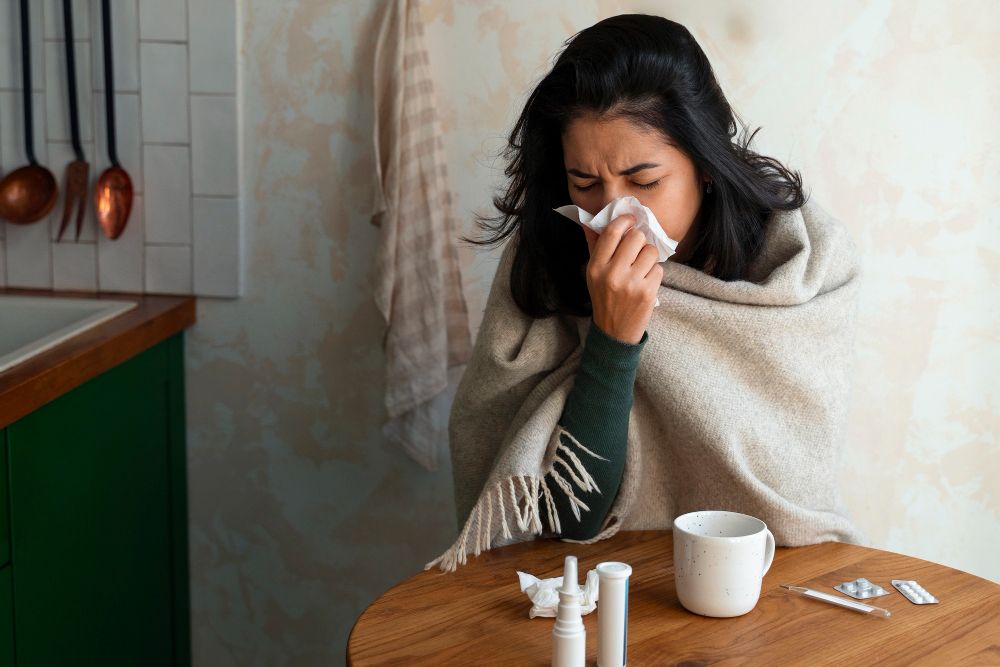
Monsoon Fever
Different Types of Seasonal Infections and How to Prevent Them
Seasonal changes bring beautiful weather shifts but they also invite a host (lot) of infections. Whether it's monsoon, winter, or summer, each season has its own set of common illnesses. Knowing about these infections and how to protect yourself can help you stay healthy throughout the year.
Common Seasonal Infections
1. Flu and Cold
The flu and cold are classic examples of infections that peak during the winter months. They are caused by viruses and spread easily from person to person through coughs, sneezes, and contaminated surfaces. Symptoms usually include sore throat, cough, fever, and body aches.
2. Dengue and Malaria
During the rainy season, mosquito-borne diseases like dengue and malaria become widespread. Stagnant water provides a breeding ground for mosquitoes, making it easier for these infections to spread.
3. Gastrointestinal Infections
Hot and humid summers can lead to food and waterborne diseases such as diarrhoea, food poisoning, and cholera. Eating contaminated food or drinking unsafe water increases the risk significantly.
4. Respiratory Infections
Respiratory infections such as bronchitis and pneumonia are more common during winter. Dust, pollution, and dry air can worsen breathing problems, especially for people with asthma.
5. Skin Infections
Fungal infections, rashes, and other skin problems tend to rise during the monsoon season due to increased humidity. Wet clothes and damp skin create the perfect environment for infections to grow.
How to Prevent Seasonal Infections
Maintain Good Hygiene
Washing your hands regularly with soap and water can prevent many infections. Always clean your hands before eating and after using the restroom. Carry a sanitizer when water isn’t available.
Boost Your Immunity
A strong immune system is your best defence. Eating a balanced diet rich in fruits, vegetables, and proteins can strengthen your immunity. Adequate sleep, regular exercise, and staying hydrated also play important roles.
Avoid Mosquito Bites
Use mosquito repellents, wear long-sleeved clothes, and keep your surroundings clean. Make sure there is no stagnant water near your home, as this can be a breeding site for mosquitoes.
Stay Updated with Vaccinations
Certain infections, like the flu, can be prevented with timely vaccination. Consult your doctor about vaccines, especially before the start of flu season.
Eat Fresh and Clean Food
During summers and rainy seasons, ensure that the food you consume is freshly cooked and properly stored. Avoid eating from roadside vendors, as it may increase your risk of food poisoning.
Seek Early Medical Advice
If you experience symptoms like high fever, body aches, vomiting, or persistent cough, do not ignore them. Early diagnosis can prevent complications. You can book health check-ups conveniently through trusted platforms like manipaltrutest.com.
Seasonal infections are common, but they can often be avoided with simple precautions. Maintaining hygiene, eating healthy, preventing mosquito bites, and seeking timely medical help are key steps toward a healthy life.
Stay aware of the infections each season brings, and take proactive measures to protect yourself. For easy access to diagnostic services and health tests, visit manipaltrutest.com and stay a step ahead of seasonal illnesses.
Monsoon Fever
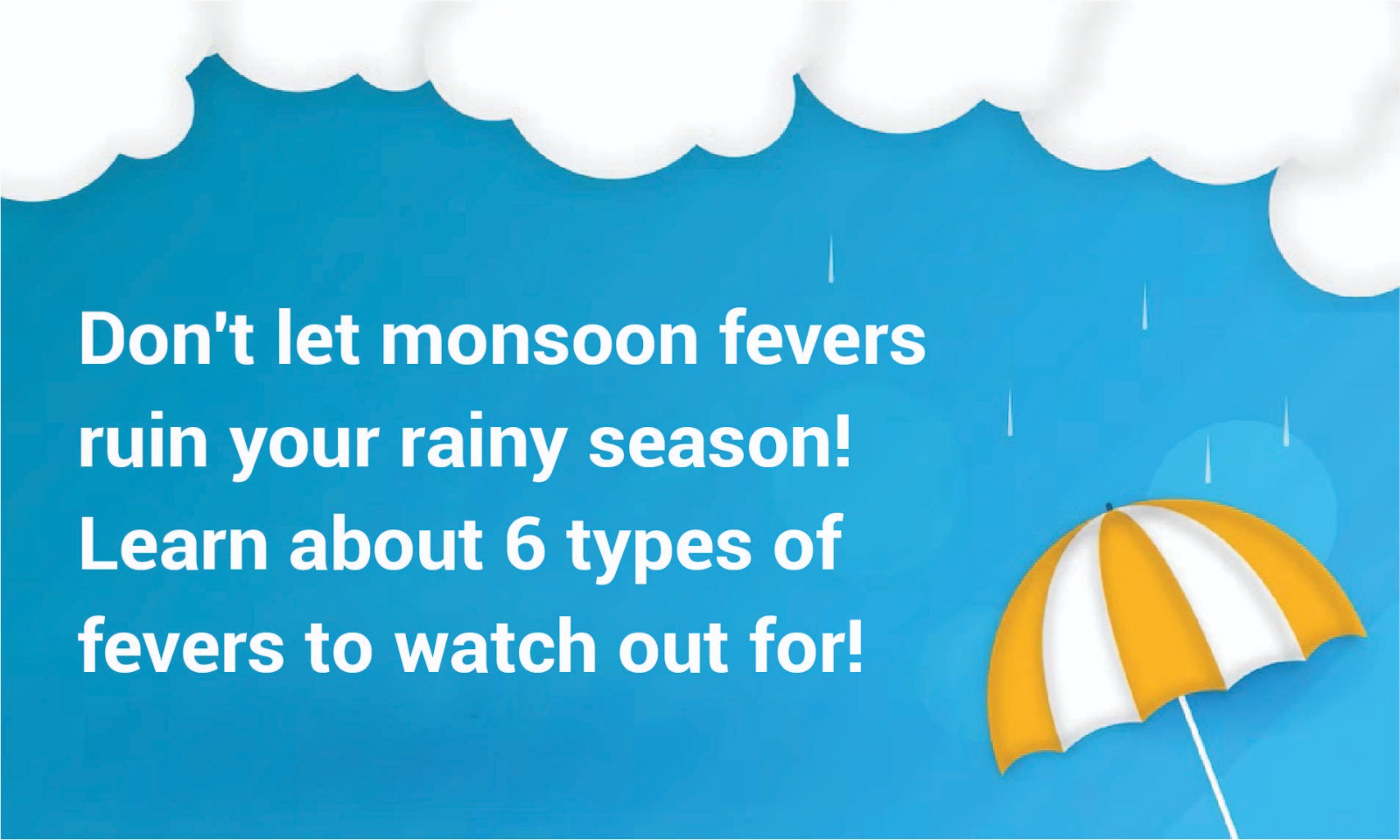
Don't let monsoon fevers ruin your rainy season! Learn about 6 types of fevers to watch out for!
Monsoon brings invigorating rain showers that most people love. But, the dark aspect of the rainy season is the long list of fevers and illnesses that come along with it.
Manipal TRUtest offers comprehensive diagnostic services that include a vast array of health packages to choose from, especially Fever Panel Packages to help detect your health concerns early on.
- Dengue Fever: This fever spreads through mosquitoes i.e. Aedes species. It is a viral infection that occurs during the rainy weather. The common symptoms are high-grade fever, joint and muscle pain, rash, severe headache and in critical cases, bleeding manifestations leading to dengue haemorrhagic fever and dengue shock syndrome. It may be fatal sometimes in children and elderly. Early diagnosis and proper hydration are important for managing dengue fever.
Typhoid Fever: This fever is caused due to Salmonella Typhi bacteria that are transmitted via contaminated water or food. Symptoms are headache, diarrhea, high fever, abdominal pain, loss of appetite and weakness. Immediate medical attention, fluid replacement and adequate antibiotics are crucial for managing typhoid fever.- Malaria Fever: Malaria is caused by mosquito bites and is quite rampant in most tropical areas. The female Anopheles mosquito transmits the parasite responsible for triggering malaria. The symptoms are chills, headache, fever, fatigue and body ache. Seek medical attention immediately if these symptoms are evident.
- Chikungunya Fever: This type of fever is a viral infection caused by mosquitoes. The symptoms are severe joint pain, sudden high fever, headache, muscular pain, fatigue and rash. Adequate rest, pain management and keeping hydration levels are crucial for managing chikungunya fever.
- Leptospirosis Fever: This fever is a bacterial infection usually transmitted by coming in contact with contaminated soil or water, specifically during floods. The symptoms include severe headache, high fever, nausea, muscle pain and vomiting. It is important to give antibiotics for early treatment to avoid complications.
Preventive Measures during Rainy Season
Opt for mosquito repellents, screens and nets to avoid mosquito bites.- Implement adequate hygiene and sanitation practices around your environment.
- Do not take contaminated food and water or uncooked food items.
- Stay hydrated and ensure the intake of a nutritious diet for optimal immunity.
- Maintain regular handwashing and proper personal hygiene.
Manipal TRUtest Fever Package
Complete Blood Count (CBC): A CBC test can help identify certain changes in the blood cells that are indicative of infection, such as a decrease in platelet count, increase neutrophil count / lymphocyte count etc.- NS1 Antigen Test: This test detects the non-structural protein NS1 of the dengue virus. NS1 is detectable from day one of dengue virus infections
- Dengue IgM/IgG Antibody Test: This test checks for the presence of dengue-specific antibodies (IgM and IgG) in the blood. IgM antibodies are typically detected after five days of infection, while IgG antibodies develop later..
- Malaria Vivax & Falciparum Antigen - The test helps to diagnose malaria antigens in the blood.
- Urine Test-Urine tests are non-invasive, accessible, and give valuable insights about your health. They help in diagnosing numerous conditions, monitoring treatments, and improving overall well-being.
- Bilirubin Total, Direct & Indirect - Bilirubin tests are usually ordered to monitor liver health. Indirect bilirubin is the unconjugated form of bilirubin in the blood. Indirect and direct bilirubin together make up total bilirubin.
- SGPT Test - SGPT test is a blood test performed to measure the enzyme created in the liver called Alanine Transaminase (ALT).
- ESR, CRP, Procalcitonin -these tests are important diagnostic tools in medical practice, helping in the identification, monitoring, and management of inflammatory conditions.
- Typhi Dot TEST - Typhi Dot test (IgM, IgG antibody) is a valuable diagnostic tool to detect typhoid fever.