Book on Whatsapp
9892101616

When Should You Get Tested for a Bacterial or Viral Infection
Viral Infection
Wed Mar 19 2025
The medical testing for bacterial or viral infections is crucial for effective treatment and recovery. Both types of infections can present similar symptoms, making it challenging to distinguish between them. However, appropriate testing and diagnosis ensure that individuals receive the correct treatment, prevent complications, and promote faster healing.
Recognizing Symptoms of Infections
Viral infections, such as the common cold or influenza, often present with symptoms like runny nose, cough, sore throat, and low-grade fever. These symptoms typically develop gradually and improve within a week to ten days. Bacterial infections, on the other hand, may cause more severe symptoms, including high fever, significant fatigue, and localized pain, depending on the affected area. For instance, bacterial infections like strep throat can lead to a sudden, severe sore throat without typical cold symptoms like coughing.
When to Seek Medical Testing
It is essential to consult a healthcare provider for testing in the following situations:
- Persistent or Worsening Symptoms: If symptoms persist beyond 10 to 14 days or worsen instead of improving, it may indicate a bacterial infection requiring medical attention.
- High Fever: Experiencing a fever higher than typically observed with a viral infection suggests the need for medical evaluation.
- Severe or Unusual Symptoms: Symptoms such as difficulty breathing, chest pain, sudden dizziness, or severe headaches warrant immediate medical attention.
- Underlying Health Conditions: Individuals with chronic illnesses, weakened immune systems, or those undergoing treatments that suppress immunity should seek prompt medical advice when experiencing infection symptoms.
- Infants and Young Children: Young children, especially those under three months old with a fever, should be evaluated by a healthcare provider to rule out serious infections.
Diagnostic Methods
Healthcare providers develop various tests to differentiate between the bacterial and viral infections:
- Physical Examination: This symptoms assess and medical history and also identify potential infection sources.
- Laboratory Tests: The Blood tests, urine tests, and throat swabs, imaging studies that help find out the nature of the infection.
- Complete Blood Count (CBC): It also evaluate the white blood cell counts that indicate the occurrence of an infection and help differentiate between bacterial and viral causes.
The Importance of Accurate Diagnosis
The importance of an accurate diagnosis are suitable treatment, preventing complications by early identification and treatment of bacterial infections, and reducing transmission by taking measures to decrease the spread of infections. For the more common causes of pneumonia in children, it is even more important to recognize which of these diseases are caused by viral and which by bacterial infection because, in the case of the latter, the treatment will usually be with antibiotics. This is important in preventing complications, as failure to diagnose and treat meningitis, for example, can lead to life-threatening illnesses. Good diagnosis enables the execution of appropriate measures to stop the spread of infectious diseases.
Conclusion
It can be concluded that how long and how serious the symptoms last in order to decide within that window when it is suitable to consult with a healthcare professional in order to run some tests for a bacterial or viral infection. Doctor consultation ensures that the diagnosis or the treatment offered will promote better health outcomes and decrease the risk of developing further complications. Always consider your health as a priority when in doubt of your illness, and be sure to seek the advice of a professional.
Related Tests
Related Packages

Good Health
Good Health Package
The fast-paced life can get the most of you if you don’t keep an eye on what is happening inside your body. Since you only have one body and no do-overs in life, just like regular services you get for your vehicle. Keep all your bodily functions in check with our Good Health Package. We provide a range of tests like CBC, Liver Function Test (LFT), Lipid Profile (Complete Calculated), Kidney Function Test (KFT), Urine Routine, Thyroid Profile, Glucose, Random (R) and mineral deficiency tests like Iron Studies, Calcium, Serum, ESR and HbA1C too. The test results will provide you with an insight into what kind of lifestyle you have been living and what can you do to be better at it.
₹ 999

Male - TRU Gold Package
Prioritize your well-being with our specialized Male TRU Gold Health Check-up Package- 91 Tests At Rs.2999/- in India at Manipal TRUtest. Book your appointment today and take proactive steps towards maintaining optimal health.
₹ 2999

TRU Raksha Package - Advanced
₹ 4999

Basic Health Check Package
Why Full Body Health Check-ups are Essential for Your Well-being
Routine full body health check-ups are crucial for everyone-no matter what age. Your check-up reports are useful in tracking a disease before it causes a risk to your life. Yearly health checkups help in the timely detection of dangerous lifestyle diseases. Discovering such illnesses at an early stage reduces the treatment invasion and severity of the ailment. It also aids in decreasing complications and treatment costs.
Being proactive about your health is crucial to maintaining your fitness, and Manipal TRUtest's full body health check package ensures a thorough examination of your health status. This comprehensive program is designed to monitor and assess overall body health through various tests that help identify potential health issues early on. Whether you feel fine or have health concerns, a full-body checkup is the best approach for detecting, preventing, and treating issues at their early stages.
The full body checkup price offered by Manipal TRUtest is highly competitive, providing a cost-effective way to receive comprehensive health screenings without compromising quality. This package covers essential health indicators, including kidney and liver function, blood sugar levels, thyroid function, cholesterol levels, and more. Early detection of these issues can help prevent severe health problems, making it essential to stay informed about your overall health for a healthier life.
You can easily book basic health checkup packages through our user-friendly platform. You may visit the nearest clinic or have the tests done at home, making it easier to prioritize your health. Our highly trained staff and technicians ensure accurate results, providing you with a detailed report on your health in a short time. Begin your journey to a healthier life today by scheduling your full body health checkup with Manipal TRUtest.
₹ 1149
Related Blogs
Viral Infection
Cold, Flu, or Something More? Winter Fever Panel Tests You Shouldn’t Ignore
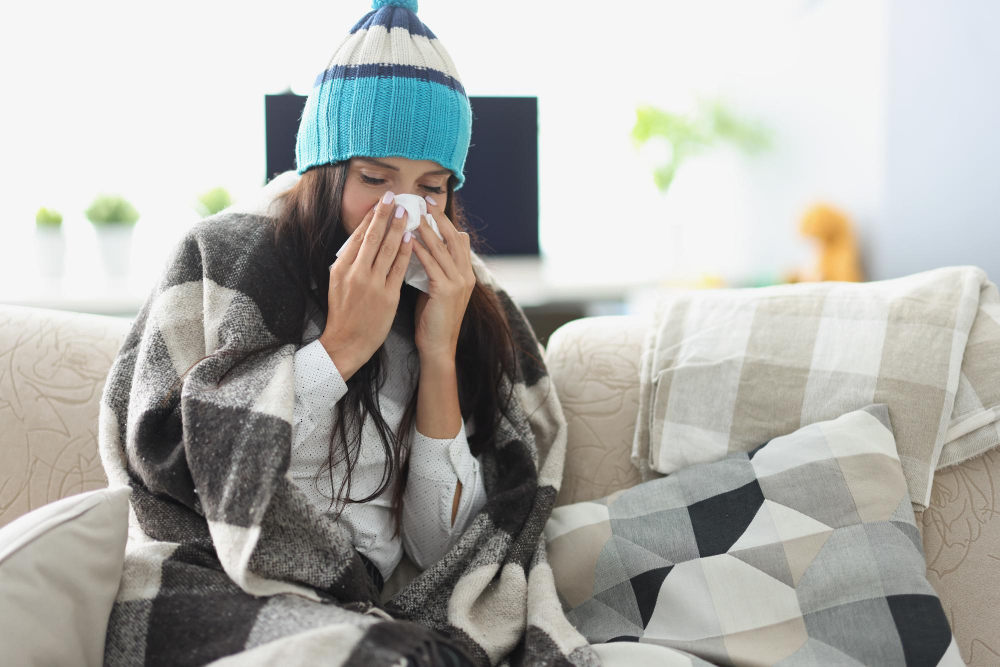
Winter is the season most associated with coughs, colds, and recurring fevers. Light increases in temperature, body aches, chills, or general fatigue are repeatedly written off as everyday viral attacks because of cold weather. Although most illnesses in winter are usually of a light nature and self-limiting, not every fever is supposed to be taken lightly. What seems like a common cold or flu might sometimes be an alarm for something deeper in your system. It is here that the winter fever panel tests come into play for accurate diagnosis and timely treatment.
With less sunlight, the immune system can become weaker during these months because of lower levels of vitamin D, along with the fact that sleep may be compromised, and physical activities are minimal. It makes infections more contagious, and the symptoms often overlap, making self-diagnosis unreliable. Fever that is accompanied by headache, muscle pain, weakness, or fatigue lasting for a longer period can be due to viral infections, bacterial diseases, or seasonal diseases like dengue, typhoid, or malaria. Inability to seek proper consultation at an early date or sole dependence on over-the-counter medicine may lead to complications of the disease.
A Winter Fever Panel consists of a wide range of blood tests to detect the exact cause of fever. The CBC or Complete Blood Count is probably the most crucial test in this regard. It helps clinicians to monitor the rate of white blood cells, which is essential in differentiating between viral and bacterial infections. Atypical levels of hemoglobin or platelet count would reflect other diseases that need consideration with a deeper look.
The panel frequently includes inflammatory markers like C-Reactive Protein (CRP) and Erythrocyte Sedimentation Rate (ESR). The presence of high levels of these markers signifies inflammation or infection in the body, thereby assisting doctors in determining the intensity of the disease and making treatment choices. These examinations are of great help when the fever continues without apparent signs.
During the winter, seasonal diseases cannot be disregarded. Fever panels frequently include tests for typhoid, dengue, and malaria, especially in areas where these illnesses are endemic all year round. Early identification via blood testing enables timely treatment, lowering the likelihood of major side effects such as organ damage, dehydration, or protracted illness.
In the case that the symptoms lead to the conclusion of an influenza, COVID-19, or other viral infection, viral markers might be suggested. The main advantage of knowing the exact virus is that it can cut down on the use of antibiotics and, at the same time, make sure that the right supportive care is given. This is very important because it helps to avoid antibiotic resistance and at the same time promotes faster recovery.
Fever panels for winter testing are really important for the somewhat vulnerable population, i.e., kids, old people, pregnant women, the sick, and those with chronic conditions like diabetes or heart disease. Just a little infection can lead to a severe one very fast in these people's cases if proper diagnosis is not done early.
To sum it up, not all winter fevers are innocent. Colds and flu can be around but still, a fever that lasts long or an unexplained one should never be dismissed. Winter fever panel tests demystify the situation as far as diagnosis is concerned, thus making it possible for the medical practitioners to provide specific and efficient treatment. By opting for timely testing over uncertainty, people can, during the winter season, protect their health, recover quickly, and also avoid complications that could have been prevented.
This winter, don’t let fever symptoms go unchecked. Manipal TRUtest offers comprehensive fever panel tests, accurate diagnostics, and convenient home sample collection services.
Get clarity, get treated early, and stay protected this season—book your winter fever tests today.

Viral Infection
Common Infections during the Weather Transition Prevention and Diagnosis
Seasonal changes often bring comfort and freshness, but they also create conditions that allow infections to spread more easily. The transition between hot and cold weather, or from dry to humid conditions, weakens the body’s natural defenses and makes people more prone to illnesses. During this period, sudden temperature fluctuations affect the immune system, creating an environment in which bacteria, viruses, and fungi thrive. Understanding common infections, their symptoms, methods of prevention, and accurate diagnosis is essential for maintaining good health during these weather shifts.
Common Infections During Weather Transition
- Common Cold and Flu – Viral infections such as influenza and rhinovirus are widespread when seasons change. Sudden exposure to cold air or damp weather weakens the respiratory system, leading to symptoms like sore throat, cough, fever, and nasal congestion.
- Respiratory Tract Infections – Bronchitis, pneumonia, and sinusitis often increase during transitional seasons. Poor air quality, allergens, and fluctuating humidity levels contribute to their spread.
- Gastrointestinal Infections – Changes in food storage and water quality can lead to bacterial infections like gastroenteritis. Contaminated food or water often results in diarrhea, vomiting, and stomach cramps.
- Skin and Fungal Infections – Humidity and sweating during seasonal changes encourage fungal growth. Athlete’s foot, ringworm, and candida become more common.
- Allergies and Asthma Flare-ups – While not strictly infections, allergic reactions worsen during seasonal changes, weakening immunity and making individuals more vulnerable to infections.
Prevention of Seasonal Infections
Preventing infections requires a proactive approach and conscious lifestyle choices. Some effective measures include:
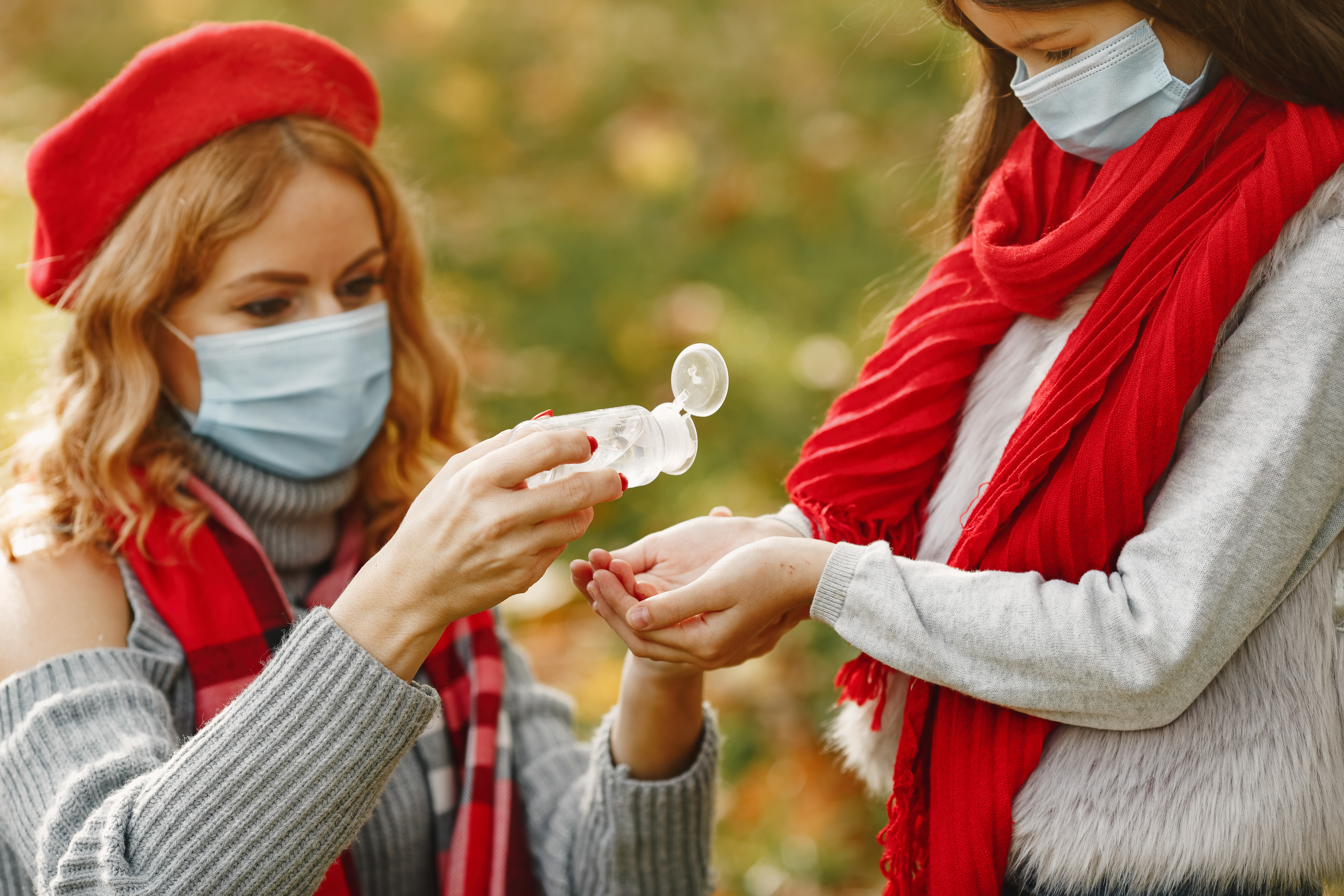
- Maintain Good Hygiene: Washing hands regularly with soap and water reduces the risk of viral and bacterial transmission. Avoid touching the face frequently to minimize exposure.
- Balanced Diet: Eating seasonal fruits, vegetables, and foods rich in vitamins C and D strengthens immunity. Probiotics such as yogurt support gut health and prevent gastrointestinal infections.
- Adequate Hydration: Drinking clean and safe water helps flush out toxins and keeps the body resilient against infections.
- Proper Clothing: Wearing weather-appropriate clothing prevents sudden chills or overheating, which otherwise strain the immune system.
- Vaccination: Annual flu shots and other recommended vaccines provide strong protection during transitional weather.
- Environmental Care: Maintaining clean surroundings, ensuring proper ventilation, and avoiding exposure to damp and dusty environments reduces the spread of infections.
Diagnosis and Early Detection
Accurate and timely diagnosis ensures effective treatment and reduces complications. Common diagnostic practices include:
- Clinical Examination: Doctors assess symptoms such as fever, cough, congestion, or rashes to identify the infection type.
- Laboratory Tests: Blood tests, throat swabs, sputum cultures, and stool samples help detect specific bacterial or viral pathogens.
- Imaging Tests: For respiratory infections, chest X-rays or CT scans may be recommended.
- Allergy and Sensitivity Tests: In cases where infections are linked with allergic triggers, these tests provide clarity.
Stay Ahead with Manipal TRUtest
Regular health check-ups can detect infections and immune imbalances early, ensuring timely care. At Manipal TRUtest Diagnostics, our expert team and advanced testing technology help you monitor your health accurately through every season. Whether it’s detecting infections, assessing vitamin levels, or conducting preventive screenings, we ensure trusted diagnostics for your well-being — every day, every season.
Viral Infection
How Seasonal Changes Impact Your Immunity and What to Do About It
The human body is designed to adapt to different environments, but seasonal changes often challenge the immune system in many ways. Shifts in temperature, humidity, and daylight hours can make people more vulnerable to infections and allergies. Understanding how seasons affect immunity and knowing the right preventive steps can help maintain good health throughout the year.
How Seasons Affect Immunity
Winter
During winter, colder temperatures force people indoors, often in crowded spaces with poor ventilation. This environment allows viruses such as the flu and common cold to spread easily. The lack of sunlight also reduces vitamin D levels, which play an important role in strengthening the immune system.
Summer
Hot summer months can lead to dehydration and heat exhaustion, which indirectly weakens immunity. Excessive sweating and fluid loss disturb the body’s balance of electrolytes. Food spoilage is also common in high temperatures, increasing the risk of foodborne infections.
Monsoon
The rainy season creates favorable conditions for bacterial, viral, and fungal infections. Waterborne diseases such as typhoid, cholera, and hepatitis become more common while the damp weather also triggers respiratory infections and fungal skin conditions.
Spring and Autumn
These transitional seasons bring sudden changes in temperature, which may stress the body. Allergies due to pollen, dust, or molds are common in spring, while autumn often brings fluctuations in humidity and an increased risk of flu.
Why Immunity Weakens with Seasonal Change
Seasonal shifts affect the body’s natural rhythm. Exposure to sudden temperature differences, reduced sunlight, and dietary changes disturbs the immune response. The body takes time to adjust, and during this period, people may experience fatigue, allergies, or frequent infections. Stress, poor sleep, and lack of proper nutrition further lower resistance to diseases during these times.
Steps to Protect Immunity During Seasonal Changes
- Eat a Balanced Diet
A nutrient-rich diet supports the immune system. Fresh fruits, vegetables, whole grains, and lean proteins provide vitamins and minerals essential for good health. Vitamin C, zinc, and vitamin D are especially important to fight infections. - Stay Hydrated
Drinking enough water keeps the body hydrated and helps flush out toxins. Herbal teas, soups, and seasonal fruits with high water content are also beneficial. - Exercise Regularly
Moderate physical activity, such as walking, yoga, or cycling, boosts circulation and strengthens immune function. Exercise also reduces stress, which otherwise weakens immunity. - Get Adequate Sleep
Aim for 7–8 hours of uninterrupted sleep. Proper rest enhances the production of infection-fighting white blood cells. - Maintain Hygiene
Washing hands regularly, keeping surroundings clean, and practicing safe food habits are simple but effective ways to prevent infections. - Dress According to Weather
Wearing clothes suitable for the season protects the body from extreme temperatures and reduces the risk of catching colds or heat-related illnesses. - Take Preventive Health Check-Ups
Seasonal changes are the right time to go for basic health tests such as vitamin checks, blood sugar, or a complete blood count. Early detection of deficiencies or imbalances helps in better management.
Seasonal changes are inevitable, but their effects on immunity can be minimized with mindful care. Balanced nutrition, proper hydration, adequate rest, and regular check-ups form the foundation of year-round wellness.
At Manipal TRUtest Diagnostics, comprehensive preventive health packages — including vitamin, thyroid, and immunity profiles — help you stay one step ahead of seasonal illnesses. With accurate reports and expert-backed guidance, you can strengthen your immunity and enjoy good health, no matter the season.