Book on Whatsapp
9892101616

Who Should Get a Vitamin D Test and Why
Health Care
Fri May 23 2025
Vitamin D, also referred to as the "sunshine vitamin," it is an important factor for overall health, however, many are unaware of its significance. Vitamin D is involved in a number of essential bodily processes. A deficiency that can lead to different diseases that will not be noticeable for many years. That is why it is important to check your Vitamin D levels using a trusted platform like Manipal TRUtest to ensure good health.
Why is Vitamin D Testing Important?
Vitamin D is the key for calcium absorptions, which strengthens the bone and teeth. It also supports muscle function, boosts the immune system that offers safety against several diseases. Manipal TRUtest provides easy and precise testing solutions so that you can know whether you are deficient or not.
Who Should Consider a Vitamin D Test?
Vitamin D is essential for overall health, but certain lifestyle factors and medical conditions can increase the risk of deficiency. If you fall into any of the following categories, it's highly recommended to get your Vitamin D levels tested.
1. People with Bone Health Problems
If you experience brittle bones, frequent fractures, or you have been diagnosed with conditions such as osteoporosis, testing your Vitamin D levels is crucial. It can help identify underlying deficiencies and guide timely treatment.
2. Individuals with Limited Sun Exposure
People who spend most of the time indoors or live in areas with less sunlight might not get enough natural Vitamin D. A simple blood test can confirm if supplementation or dietary changes are needed.
3. Older Adults
As we age, the body’s ability to produce Vitamin D from sunlight diminishes. Older adults are more prone to deficiency and should monitor their levels regularly.
4. Pregnant and Nursing Women
Pregnant and lactating women require more Vitamin D for their well-being and the proper development of the baby. A test through Manipal TRUtest ensures both mother and child are well-supported.
5. People with certain Health Conditions
Individuals with obesity, liver disease, gastrointestinal disorders and kidney issues usually find it difficult to absorb Vitamin D. For them, periodic testing can be a crucial aspect of their health management.
6. People Experiencing Symptoms of Deficiency
If you are feeling constantly tired, experiencing muscle cramps, mood swings, and backache, Vitamin D deficiency may be the reason. Making a scheduled time for the test can bring relief and enable you to take appropriate steps towards regaining health.
Why Choose Manipal TRUtest for Your Vitamin D Test?
With Manipal TRUtest, you can count on fast, reliable, and affordable diagnostic services. The platform makes it easy to book tests online, and trained professionals visit your home to collect samples safely and efficiently. Digital reports are delivered promptly, allowing you to consult your doctor without any delays.
Our centers and technicians follows strict hygiene and safety protocols, giving peace of mind at every step. Whether you need a one-time check or regular monitoring, the team is committed to making health care simple, convenient, and accessible for everyone.
Don’t ignore your Vitamin D levels—untreated deficiency can lead to more serious health issues over time. Take control of your health today.
Visit www.manipaltrutest.com to book your Vitamin D test from the comfort of your home.
Related Tests
Related Packages

Men Wellness Package
₹ 1600

TRU Vital Health Package - Basic
What is TRU Vital Health Package - Basic?
The most ideal test package covering most vital organs functions of the body like Complete Blood Count (CBC), Liver, Kidney, Thyroid and Diabetes which will help in screening health at the most economical rate.
₹ 1499

Women Wellness Package
₹ 1800

TRU Vital Health Package - Advance
₹ 1799
Related Blogs
Health Care
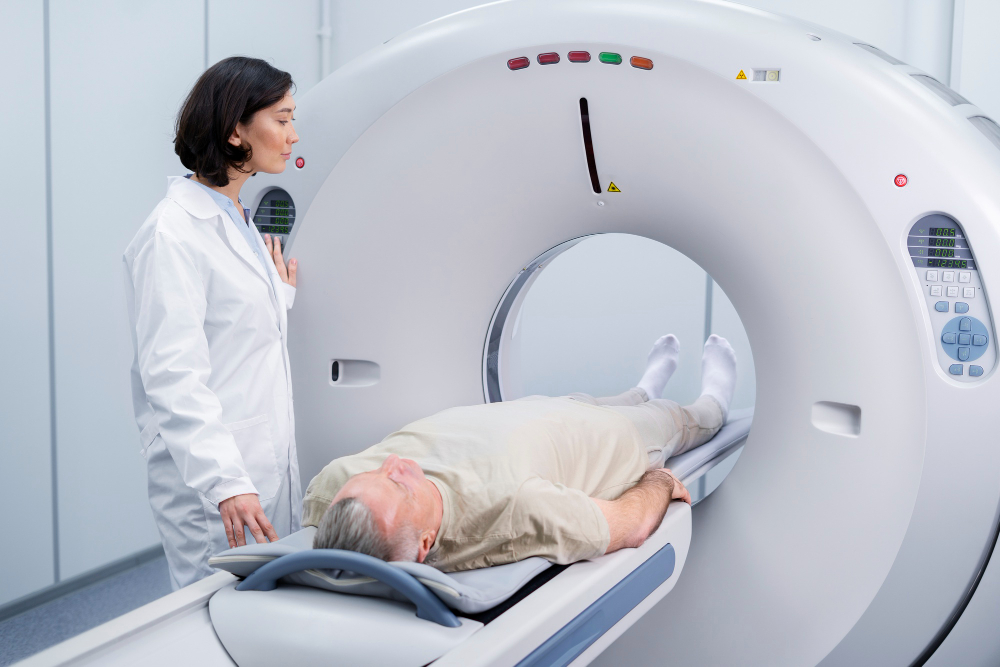
How to Prepare for an MRI Scan
An MRI Scan can be an intimidating experience, especially if it’s your first time. The machine, strange noises, and medical environment are frequently the cause of questions and concerns. Yet, knowing what to expect before having an MRI scan will help you go through the process much more comfortably, without anxiety, and to a greater degree of effectiveness. Prepared with the right information, you can walk into that appointment feeling confident.
What Is an MRI Scan and Why Preparation Matters
Magnetic Resonance Imaging (MRI) is a noninvasive test that uses powerful magnets and radio waves to make detailed pictures of parts of the body, such as organs, tissues, and structures inside the body. As MRI scans are highly dependent on patient cooperation and safety measures, being prepared can help make the images clearer and the process go smoothly.
Share Your Medical History in Advance
Always tell the medical staff about all health conditions you have before they have an MRI. If you have an implanted medical device — a pacemaker, cochlear implant, metal clips, or artificial joints, for example — let them know. Tiny metal fragments from earlier surgeries or injuries can also disrupt the scan. If you’re pregnant or think there’s a chance you might be, tell the tech in advance so they can take necessary precautions.
Follow Eating and Drinking Instructions Carefully
Fasting is usually not required for an MRI. But if your scan is of the abdomen, or includes contrast material, you may be asked not to eat or drink anything for a few hours beforehand. Always heed directions from your healthcare provider to prevent delays or rescheduling.
Dress Comfortably and Avoid Metal
For your MRI appointment, wear loose, comfortable clothing. Don’t wean her the day of a session, and skip clothing with zippers, buttons, snaps, or metal threads. Jewelry (of all kinds), similar items such as watches, hairpins, belts, and wallets, and even some makeup, can contain metal particles and have to be taken off. Most centers will either have a gown for you to wear during the scan.
Informing the Staff About Claustrophobia or Anxiety
And if you get anxious in tight spaces, don’t keep that to yourself. MRI machines may be small and feel restricted, leading patients to experience claustrophobia. Technicians can provide soothing techniques, music, or light sedation as necessary. Knowing how you feel about it can help them personalize the experience.
Understand the Use of Contrast Dye
An MRI Scan of the brain may need a contrast agent to help make images clearer. If contrast is used in your scan, let the staff know if you have allergies, kidney issues, or a history of previous reactions to contrast dyes. Afterward, drinking plenty of water can help flush the contrast out of your system more quickly.
Stay Still During the Scan
While in the MRI, it is essential to keep perfectly still in order that accurate pictures may be obtained. The machine particularly knocks and taps, which is normal. You may also be given earplugs or headphones to mitigate sound.
How long does an MRI scan take?
The size of the area being scanned will determine how long you spend in the scanner – it can take from 20 minutes to more than an hour.
What to Expect After the MRI
After the scan is complete, you can generally go back to your regular activities right away, unless you’ve been sedated. There is no recovery time for a standard MRI, and the results are usually interpreted by a radiologist before being passed along to your doctor. Getting ready for an MRI Scan Test doesn’t have to induce panic. With clear communication, easy clothing decisions, and a peaceful state of mind, it all just gets simple and becomes clear. Being prepared keeps you safe and provides the most accurate results when opportunities for good health decisions are needed.
Accurate Imaging with Trusted Care at Manipal TRUtest
At Manipal TRUtest, MRI scans are conducted using advanced imaging technology, strict safety protocols, and patient-focused care. From clear pre-scan guidance to accurate reporting, every step is designed to ensure comfort, precision, and confidence in your diagnostic journey.

Health Care
How Early STD Testing Helps Prevent Complications
Sexually transmitted diseases (STDs) are infections passed through sexual contact that can impact reproductive health and overall well-being, often without showing early symptoms. An STD Panel Test provides a comprehensive screening for multiple infections at once, even in the absence of symptoms. Early testing is a proactive medical step that enables timely treatment, helps prevent complications, and supports long-term sexual and reproductive health.
Understanding Silent and Asymptomatic STDs
Symptoms of most STDs are not present or visible immediately. STIs like chlamydia, gonorrhoea syphilis, HIV and hepatitis can all lie dormant (be asymptomatic) for years at a time but yet still have direct contact with other internal organs. In the absence of testing, people may carry without knowing the term of infection, which may lead to complications and spread.
Prevents Disease Progression and Organ Damage
Early STD screening enables you to discover the infection before it gets worse. If not treated, STDs can harm reproductive organs, the nervous system, liver, heart, and immune system. If left untreated, syphilis can attack the brain and heart, while chronic hepatitis could cause cirrhosis of the liver. Early identification dramatically reduces the risk of these dire outcomes.
Protects Reproductive and Maternal Health
STDs are one of the biggest causes behind infertility if left unaddressed. In women, infections can cause pelvic inflammatory disease (PID), ectopic pregnancy, or complications of pregnancy. In men, STDs can harm the health of sperm and reproductive function. Early testing means fertility can be protected and risks reduced during conception and childbirth.
Reduces Community Transmission
Early diagnosis is an important factor in controlling the spread of infection. Those who know their status can take necessary precautions, begin treatment immediately, and notify partners if need be. And this helps to control infections, making possible larger public health efforts.
Improves Treatment Outcomes
Most STDs caught early are much easier to treat. Because it’s usually more effective to treat a pharyngitis infection early, you can usually shorten the duration of treatment while minimizing the chances of developing antibiotic resistance or long-term infection. Late diagnosis could result in complicated and long-term treatment.
Supports Preventive Healthcare Practices
Testing for STDs is part of the routine screening and reinforce the preventive aspect in health care. It encourages routine health checks, responsible sexual behavior, and consultation with a doctor at the first sign of trouble as long-term rather than emergency care.
When STD Testing Is Medically Recommended
- After unprotected sexual contact
- When entering or changing sexual relationships
- If you or your partner have multiple sexual partners
- During pregnancy planning or early pregnancy
- As part of routine preventive health screening
Confidential, Reliable STD Testing with Manipal TRUtest
Choosing an STD Panel Test at the appropriate time can provide clarity and peace of mind while leading to early medical attention that guards against serious complications. When it comes to your sexual health, the earlier you know — and get treatment for — an infection, the better. It also enables people to take charge of their health, make educated choices, and establish safer and more self-assured relationships.
Manipal TRUtest offers comprehensive STD Panel Tests with strict confidentiality, accurate reporting, and convenient home sample collection.
Health Care
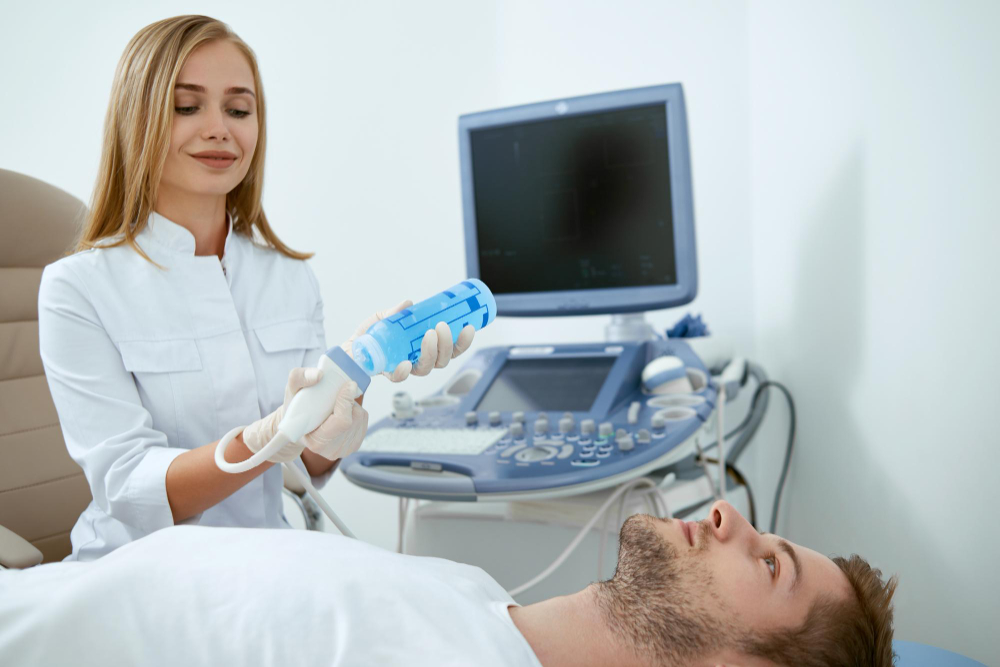
When Do Doctors Recommend a Whole Abdomen Ultrasound?
A Whole abdomen ultrasound is one of the most recommended imaging diagnostic techniques to evaluate peritoneal masses, as it is safe, easy to perform, does not require ionizing radiation, and provides valuable information. It produces real-time images of internal organs and doesn’t expose patients to any radiation, making it possible for doctors to assess abdominal health in the absence of X-rays. Doctors order this scan when they require a comprehensive view of several abdominal organs at once, spotting problems early and directing the correct treatment.
Persistent or Unexplained Abdominal Pain
If abdominal pain persists for days or keeps coming back without an obvious cause, doctors often recommend a whole abdomen ultrasound. It can be used to evaluate organs such as the liver, gallbladder, pancreas, kidneys, spleen, and urinary bladder for evidence of inflammation, stones, cysts, or other suspicious features that may cause pain.
Digestive Issues That Don’t Improve
Persistent symptoms such as bloating, nausea, vomiting, indigestion, or changes in bowel habits can indicate an abdominal condition. An ultrasound also lets doctors see the body’s digestive organs, and it can help them rule out gallstones or inflammation of the liver as causes of abdominal pain.
Suspected Liver or Gallbladder Problems
Doctors often advise the test when blood reports suggest abnormal liver function, or when symptoms like jaundice, yellow eyes, and pain in the upper right side of the abdomen occur. Fatty liver, liver enlargement, gallstones, inflammation of the gallbladder, or blockage of bile ducts can be detected by a whole abdomen ultrasound.
Kidney and Urinary Tract Symptoms
Pain in the lower back or sides, difficulty in passing urine, or blood in your urine and frequent urination can be a sign of kidney and urinary tract problems. Ultrasound can also identify kidney stones, infections, cysts, swelling, or bladder problems without the need for radiation.
Unexplained Weight Loss or Loss of Appetite
A rapid weight loss or poor appetite without an apparent reason is what usually sends doctors digging. A full ultrasound scan of the abdomen will reveal any underlying pathologies or hidden conditions forming in abdominal body organs, which would otherwise not become apparent during their early stage.
Evaluation of Abdominal Swelling or Mass
If a doctor feels a lump in the abdomen during an exam, or if there is swelling in the belly (which can be caused by ovarian cancer), an ultrasound is typically the first imaging test recommended. It can indicate if the swelling is due to fluid, an enlarged organ, or a mass that requires further testing.
Monitoring Known Medical Conditions
Ultrasounds may be recommended for patients who have pre-existing conditions, including liver disease, kidney problems, gallstones, or cysts in the abdominal area. This enables doctors to monitor the progression of the disease, evaluate treatment efficacy, and adjust as needed.
During Preventive Health Check-Ups
A whole abdomen ultrasound is advised by many doctors as a regular checkup, especially when you are of an age or have a family history prone to abdominal diseases. Screening for early detection can avoid later complications.
Pregnancy-Related or Gynecological Concerns
Doctors, in some cases, particularly if the symptoms are common to the abdominal and pelvic regions, may recommend an ultrasound of the entire abdomen for a broader, view before suggesting specialized scans.
Trusted Abdominal Imaging with Manipal TRUtest
At Manipal TRUtest, whole abdomen ultrasounds are performed using advanced imaging technology and expert radiology support to ensure accurate results and patient comfort. With a focus on early detection and reliable reporting, Manipal TRUtest helps you take confident steps toward better abdominal health.