Book on Whatsapp
9892101616

Why Regular Thyroid Testing is Important for Women
Thyroid
Mon Jul 28 2025
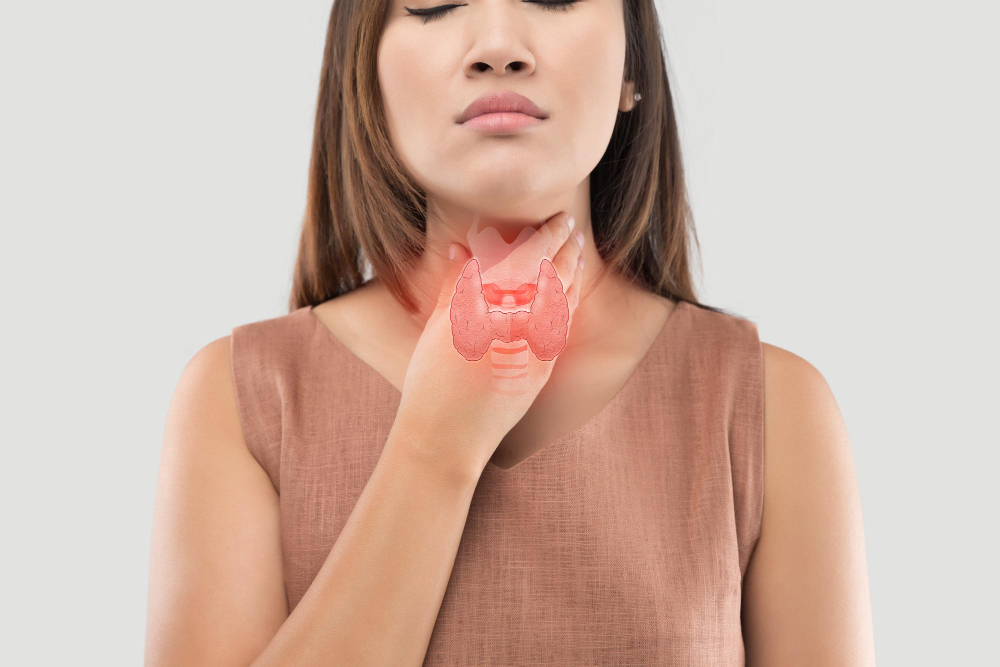
Thyroid testing is crucial for women as thyroid disorders often go unnoticed but can significantly impact metabolism, mood, menstrual health, fertility, and overall well-being. Early detection through testing helps manage conditions like hypothyroidism or hyperthyroidism effectively, ensuring hormonal balance and better long-term health outcomes for women of all ages. It produces hormones that control metabolism, energy levels, heart rate, body temperature, and menstrual cycles. For women, thyroid health is especially crucial due to its close link with hormonal balance, reproductive health, and overall well-being. Regular thyroid testing helps detect any dysfunction early, enabling timely management and prevention of serious complications.
The Impact of Thyroid Disorders on Women
Women are five to eight times more likely than men to suffer from thyroid problems, making them a high-risk group. The most common thyroid disorders are hypothyroidism (an underactive thyroid) and hyperthyroidism (an overactive thyroid). Both conditions can disrupt daily life significantly if left undiagnosed or untreated. Symptoms such as fatigue, unexplained weight gain or loss, hair thinning, irregular periods, mood swings, and infertility can often be attributed to thyroid imbalances.
In particular, Hypothyroidism is more prevalent among women, especially those over 30 or during life stages like pregnancy and menopause. If not managed properly, it can lead to serious health issues such as heart disease, goitre, or complications during pregnancy. Hyperthyroidism, though less common, can also cause anxiety, rapid heartbeat, weight loss, and sleep disturbances.
Hormonal Health and Fertility
Thyroid hormones are deeply interlinked with the reproductive system. Women with untreated thyroid disorders may experience menstrual irregularities, difficulty conceiving, or even recurrent miscarriages. A healthy thyroid is essential for maintaining regular ovulation and supporting pregnancy. This is why endocrinologists often recommend thyroid screening as part of preconception and prenatal check-ups. An undiagnosed thyroid issue can quietly hinder fertility, making regular testing crucial for women planning a family.
Thyroid Testing: What It Involves
Thyroid function is primarily assessed through a simple blood test that measures Thyroid Stimulating Hormone (TSH) levels, along with T3 and T4 hormones. In some cases, additional tests for thyroid antibodies may be required to detect autoimmune thyroid disorders like Hashimoto’s thyroiditis or Graves’ disease. These tests are quick, affordable, and highly effective in identifying imbalances before symptoms become severe.
Early Detection Better Health Outcomes
The major benefit of regular thyroid testing is early detection. Many thyroid disorders develop gradually and remain unnoticed until they cause significant health deterioration. By scheduling regular check-ups especially for women with a family history of thyroid issues, diabetes, or autoimmune conditions it is possible to diagnose the problem early and begin appropriate treatment. This may include hormone replacement therapy, lifestyle changes, or medications to regulate hormone production.
When Should Women Get Tested?
Experts suggest that women over the age of 30 should undergo a thyroid screening every five years, or more frequently if symptoms arise. Pregnant women, those planning to conceive, or women with irregular menstrual cycles, mood changes, or unexplained weight fluctuations should not delay testing.
Thyroid health is a silent cornerstone of a woman’s overall well-being. Regular thyroid testing empowers women to take charge of their health, ensuring hormonal balance, fertility, mental clarity, and energy levels are all maintained. Ignoring thyroid issues can lead to long-term health complications, but with timely diagnosis and treatment, they can be effectively managed. Prioritizing regular thyroid screening is not just a medical necessity it is a proactive step towards a healthier, more balanced life.
Stay proactive. Stay balanced. Get tested.
Related Tests
Related Packages

TRU Care Package
What is TRU Care Package?
The most ideal test package covering most vital organs functions of the body like Complete Blood Count (CBC), Liver, Kidney, Thyroid and Diabetes which will help in screening health at the most economical rate.
₹ 799

TRU Vital Health Package - Basic
What is TRU Vital Health Package - Basic?
The most ideal test package covering most vital organs functions of the body like Complete Blood Count (CBC), Liver, Kidney, Thyroid and Diabetes which will help in screening health at the most economical rate.
₹ 1499

Basic Health Check Package
Why Full Body Health Check-ups are Essential for Your Well-being
Routine full body health check-ups are crucial for everyone-no matter what age. Your check-up reports are useful in tracking a disease before it causes a risk to your life. Yearly health checkups help in the timely detection of dangerous lifestyle diseases. Discovering such illnesses at an early stage reduces the treatment invasion and severity of the ailment. It also aids in decreasing complications and treatment costs.
Being proactive about your health is crucial to maintaining your fitness, and Manipal TRUtest's full body health check package ensures a thorough examination of your health status. This comprehensive program is designed to monitor and assess overall body health through various tests that help identify potential health issues early on. Whether you feel fine or have health concerns, a full-body checkup is the best approach for detecting, preventing, and treating issues at their early stages.
The full body checkup price offered by Manipal TRUtest is highly competitive, providing a cost-effective way to receive comprehensive health screenings without compromising quality. This package covers essential health indicators, including kidney and liver function, blood sugar levels, thyroid function, cholesterol levels, and more. Early detection of these issues can help prevent severe health problems, making it essential to stay informed about your overall health for a healthier life.
You can easily book basic health checkup packages through our user-friendly platform. You may visit the nearest clinic or have the tests done at home, making it easier to prioritize your health. Our highly trained staff and technicians ensure accurate results, providing you with a detailed report on your health in a short time. Begin your journey to a healthier life today by scheduling your full body health checkup with Manipal TRUtest.
₹ 1149

TRU Raksha Package - Basic
₹ 1699

TRU Vital Health Package - Advance
₹ 1799

Female - TRU Gold Package
Prioritize your well-being with our specialized Female TRU Gold Health Package: 91 Tests At Rs.2999/- in India at Manipal TRUtest. Book your appointment today and take proactive steps toward maintaining optimal health.
₹ 2999

TRU Raksha Package - Advanced
₹ 4999
Related Blogs

Thyroid
When Should You Be Tested for Thyroid Conditions? Early Signs You Shouldn’t Ignore
Though small and often overlooked, your thyroid gland is a powerhouse when it comes to keeping you balanced. It helps control metabolism, energy levels, heart rate, mood, digestion, and other key body processes. But it isn't always easy to identify when your thyroid is unbalanced; symptoms tend to develop gradually and can be mistaken for aging, stress, life changes, or lifestyle. Knowing when you need a Thyroid Test will allow you to catch issues early enough that they can be treated and not cause long-term health problems.
The hormones your thyroid make help control how every cell in your body works. Just a little imbalance can cause physical fatigue, mental confusion, and emotional instability. So many go undiagnosed for years simply because the signs all feel “normal” or tolerable in the beginning.
Early testing allows you to:
- Identify imbalances before symptoms become severe
- Avoid heart, metabolic, and fertility problems
- Initiate time management and lifestyle changes
Warning Symptoms That You May Have a Thyroid Disorder
Thyroid-related symptoms often appear gradually. If any of the below symptoms seem to be consistent, then it might be time to do a Thyroid Profile Test.
- Chronic Fatigue and Low Energy: If you are sleeping enough, but constantly feeling tired, this is one of the biggest symptoms of a thyroid imbalance. A sluggish thyroid can drag your metabolism and energy levels down with it.
- Weight Changes: In the case of hypothyroidism, some individuals notice unusual weight gain without modifying their diet or activity habits. On the other hand, unexplained weight loss may indicate hyperthyroidism.
- Hair Loss, Dry Skin, Weak Nails: While losing hair doesn't seem like it's a big deal (other than it being devastating to those diagnosed), or dry and brittle nails may appear inconsequential on the surface, they are pretty major red flags that can suggest an issue with your thyroid hormone levels.
- Mood Swings or Anxiety and Depression: As your brain activity slows due to low levels of thyroid hormones, you might be experiencing the blues as well or tend toward anxiety.
- Irregular Menstruation and Infertility: Low thyroid function can also lead to missed or heavy periods, as well as irregular menstrual cycles, in both men and women.
Who Should Consider Regular Thyroid Testing?
You may need a Thyroid Test if you:
- Have a family history of thyroid disease
- Are pregnant or planning to become pregnant
- Have autoimmune conditions such as diabetes or PCOS
- Experience persistent, unexplained symptoms
- Are between 30–35 years old and have never been tested
Many people at higher risk are encouraged to get regular screenings—even without obvious symptoms.
What Does a Thyroid Profile Test Include?
A Thyroid Profile Test measures vital hormones like TSH, T3, and T4 to assess how efficiently your thyroid is functioning. Rather than relying solely on symptoms , this test provides accurate insights to help doctors diagnose thyroid issues and create effective treatment plans.
How Early Testing Matters
However, thyroid disease is highly treatable if diagnosed early. Late diagnosis can lead to complications, including heart problems, continued tiredness, and weight management or reproductive health issues. It’s crucial to know what the early signs are and that you get tested on time so your general health is closer to par.
Paying attention to our bodies and seeing our chronic warning signals is of paramount importance. If you have these signs and they haven’t resolved or are impacting the quality of your life, then a simple Thyroid Profile Test could provide some peace of mind. With the right diagnosis and treatment, it’s much easier to keep your thyroid healthy — and you can get on with living life.
Thyroid
Thyroid Problems Peak in Winter: Why TSH, T3, T4 Testing Is Essential
Winter brings with it a marked change in lifestyle, food, and physiological activities. Though this season is enthusiastically awaited because of the pleasant stimulating effect of the cold breeze and fun-filled environment, it can quietly worsen a medical condition in a majority of people, thyroid dysfunction being foremost among them. Observations have proved that thyroid ailments, especially hypothyroidism, reach their peak during this time of the year, thus emphasizing the need for proper thyroid function tests, T3, and T4 during this time.
The thyroid functions to regulate metabolism, temperature, energy, and hormones in a human being. During winter, the energy requirements in a human being change, considering the need to maintain warmth in the body. The thyroid gland will have to work extra hard during this time. Furthermore, a weakened thyroid in an individual will experience worsened hormonal imbalances. A lower amount of sun exposure, reduced levels of vitamin D, and an imbalance in circadian rhythms impact thyroid dysfunction.
Hypothyroidism, a sickness where the thyroid glands are not able to produce sufficient hormones, is especially common during the winter months. Symptoms include tiredness, a gain in weight, a lack of elasticity in the skin, thinner hair, depression, and being overly sensitive to cold, all of which are normally associated with winter fatigue but end up being mistaken for it. As a consequence, most people suffer needlessly before being tested because of this sickness, making thyroid function tests absolutely vital in this case.
TSH Test
The main screening tool for thyroid dysfunction is called TSH, which stands for Thyroid-Stimulating Hormone Test. TSH measures "how strongly a patient's pituitary gland is stimulating their thyroid to make hormones." When TSH levels become higher than normal, this can indicate an underactive thyroid, but lower levels can be an indication of hyperthyroidism. However, TSH tests by themselves don't provide a full diagnosis.
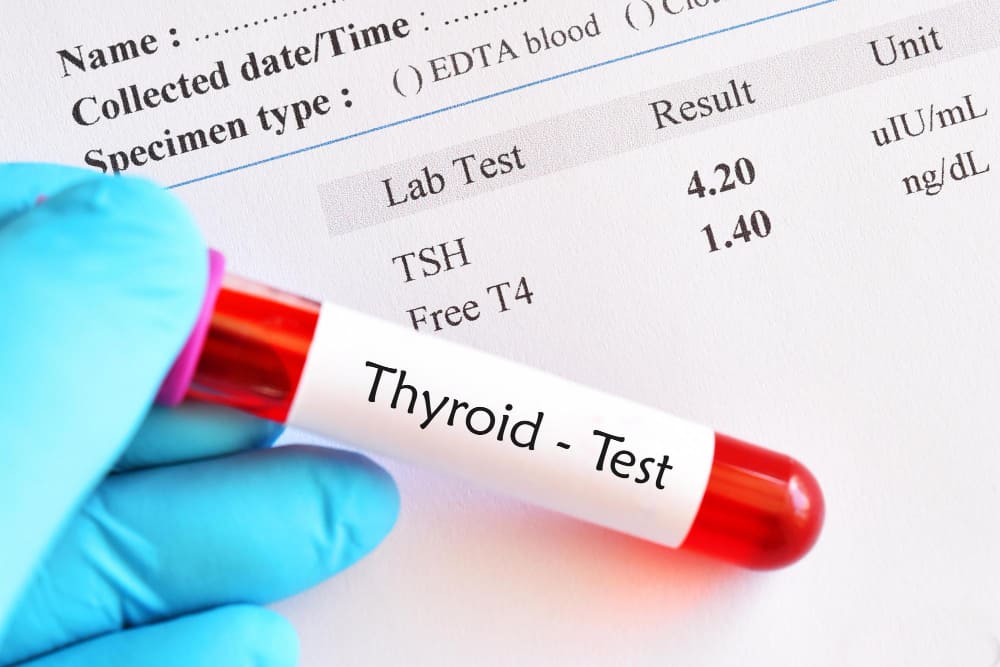
T3 (Triiodothyronine) and T4 (Thyroxine) tests assess the true level of thyroid hormones in the blood serum. T4 is referred to as a main hormone produced in the thyroid gland, while T3 is called a metabolically active hormone with a direct influence on metabolism. Assessment of T3 and T4 levels along with TSH measurements will help doctors to clearly establish the type and level of thyroid organ dysfunction in patients with symptoms not so different from those with seasonal fatigue.
Women, people over 30 years of age, expecting mothers, and those with a history of thyroid problems in their families need to have thyroid function tests performed on them. Untreated thyroid disorders can cause serious side effects such as infertility, menstrual disorders, cardiovascular diseases, intellectual disability, and an impaired immune system. Blood tests will help in the early identification of any thyroid imbalance and thus prevent serious consequences.
Moreover, during this time of the year, people indulge in food and are not very active physically. Such factors can influence treatment in patients with thyroid diseases. doctors can monitor thyroid levels in order to adjust medicines if necessary.
Conclusion
As a closing statement, winter is not only a season of discontent but is also a very important time when thyroid function matters a lot. Due to the subtle nature of thyroid symptoms, it is important to go for tests without fail. TSH, T3, and T4 tests can be of immense importance in understanding thyroid function and can thus help in coping with it effectively.
This winter and New Year season, don’t let thyroid issues go unnoticed. Manipal TRUtest offers accurate thyroid profile testing, preventive health packages, and convenient home sample collection services.
Start the New Year with balance and confidence—book your thyroid tests today and take charge of your health.
Thyroid
Role of Advanced Diagnostic Tests in Thyroid Cancer Detection
Thyroid cancer is one of the most common endocrine malignancies, and its incidence has been steadily increasing worldwide. Although many thyroid cancers progress slowly, early detection is crucial to ensure effective treatment and improved survival rates. Traditionally, physical examination and basic imaging were the primary methods for identifying thyroid abnormalities. However, with advancements in medical technology, modern diagnostic tests have significantly enhanced the accuracy of thyroid cancer detection. These advanced tools not only help in early diagnosis but also guide treatment decisions and reduce the risk of unnecessary interventions.
Ultrasound Imaging
High-resolution ultrasound is the first-line diagnostic tool for evaluating thyroid nodules. It provides detailed information about the size, shape, and texture of nodules. Features such as irregular margins, microcalcifications, and hypoechogenicity can indicate a higher risk of malignancy. Doppler ultrasound further assists by evaluating blood flow patterns, improving differentiation between benign and malignant nodules.
Fine-Needle Aspiration Biopsy (FNAB)
FNAB remains the gold standard for diagnosing thyroid cancer. Under ultrasound guidance, a thin needle is used to collect cells from suspicious nodules. These samples are then examined under a microscope to determine if cancerous changes are present. Although highly reliable, FNAB sometimes yields indeterminate results, which has prompted the development of additional molecular and genetic testing.
Molecular and Genetic Testing
One of the most significant advancements in thyroid cancer detection is the use of molecular diagnostics. Tests that analyze genetic mutations, such as BRAF, RAS, RET/PTC, and PAX8/PPARγ, help improve diagnostic accuracy when FNAB results are inconclusive. Identifying these mutations not only aids in diagnosis but also provides insights into the aggressiveness of the cancer and helps tailor targeted therapies.
Thyroglobulin Testing
Thyroglobulin is a protein produced by the thyroid gland. While it is not used as an initial diagnostic tool, it plays a vital role in monitoring patients after thyroid cancer treatment. Elevated levels of thyroglobulin in patients who have undergone thyroid removal may suggest cancer recurrence.
Radionuclide Scans
Nuclear medicine imaging, particularly using radioactive iodine (I-123 or I-131), is valuable for assessing thyroid function and detecting cancer spread. These scans help determine whether a thyroid nodule is “hot” (overactive and usually benign) or “cold” (underactive and potentially malignant). Post-treatment scans are also essential for monitoring residual thyroid tissue or metastasis.
Positron Emission Tomography (PET) Scans
PET scans, often combined with CT, are used in advanced cases where other tests may not clearly detect cancer spread. They are particularly useful in patients with aggressive thyroid cancers or when standard radioactive iodine scans are negative. PET scans provide a whole-body overview, allowing for comprehensive staging of the disease.
The Importance of Early and Accurate Diagnosis
Advancements in diagnostic technology have transformed thyroid cancer management. Early and precise detection ensures patients receive the most suitable treatment—whether surgery, radioactive iodine therapy, or targeted molecular approaches—while avoiding unnecessary interventions in benign cases.
From high-resolution imaging and FNAB to molecular testing and PET-CT scans, these innovations enable doctors to diagnose with greater confidence and tailor treatments for the best outcomes.
Your Partner in Accurate Thyroid Diagnostics – Manipal TRUtest
At Manipal TRUtest Diagnostics, we combine advanced imaging with cutting-edge molecular and pathology testing to ensure precise thyroid cancer detection and monitoring. Our state-of-the-art facilities and expert teams help detect abnormalities early, enabling timely treatment and better recovery outcomes.
Book your Thyroid Profile or Cancer Marker Test today at your nearest Manipal TRUtest center and take a proactive step toward safeguarding your health.