Book on Whatsapp
9892101616

Kidney Cancer- Symptoms, Causes and Diagnosis
Kidney
Thu Aug 03 2023
Kidney cancer is considered the third most commonly observed genitourinary cancer found in
adults. Kidney cancer seems to be on the rise.
Kidney cancer can be found most commonly in people above 40 years of age and is mostly in men than in women. Most kidney cancers happen suddenly, although some are related with hereditary conditions, such as hereditary papillary renal cell carcinoma and von Hippel-Lindau disease. Potential risk factors include cigarette smoking, obesity, and high blood pressure.
It is the 13th most rampant form of cancer and has turned out to be a massive health challenge. It is the cause of 1.8 lakh deaths every year. In India alone, 1 in 442 men and 1 in 600 women are at high risk of contracting Kidney cancer. Research Studies also cite that the illness is common among men over women.
Let's dive into the crucial step that can help you identify where you are suffering from kidney cancer or not. Here they are:
• A mass or lump in the side or back
• Blood in the urine.
• Fatigue.
• Pain or pressure in the side or back.
• High blood pressure..
• Swelling of the ankles and legs.
• Loss of appetite
• Anemia, which is a low red blood cell count.
Not just this, it is imperative to find out the root cause of kidney cancer. Let’s take a look:
RCC accounts for almost 180,000 deaths globally every year.
Causes of Kidney Cancer
Considered as a ‘silent illness’, the occurrence of Kidney cancer does not instantly result in any major bodily or physiological changes. Only after the disease has progressed substantially, do its symptoms begin coming to light. Below are the causes of kidney cancer:
• being overweight
• having high blood pressure
• being on dialysis
• smoking
• having a job that exposes you to cadmium, asbestos and certain other chemicals.
These tests could include:
Blood and urine tests.
Biomarker testing of the tumour.
Biopsy
Kidney Cancer- Symptoms, Causes and Diagnosis
Kidney cancer is considered the third most commonly observed genitourinary cancer found in
adults. Kidney cancer seems to be on the rise.
Kidney cancer can be found most commonly in people above 40 years of age and is mostly in men than in women. Most kidney cancers happen suddenly, although some are related with hereditary conditions, such as hereditary papillary renal cell carcinoma and von Hippel-Lindau disease. Potential risk factors include cigarette smoking, obesity, and high blood pressure.
It is the 13th most rampant form of cancer and has turned out to be a massive health challenge. It is the cause of 1.8 lakh deaths every year. In India alone, 1 in 442 men and 1 in 600 women are at high risk of contracting Kidney cancer. Research Studies also cite that the illness is common among men over women.
Let's dive into the crucial step that can help you identify where you are suffering from kidney cancer or not. Here they are:
• A mass or lump in the side or back
• Blood in the urine.
• Fatigue.
• Pain or pressure in the side or back.
• High blood pressure..
• Swelling of the ankles and legs.
• Loss of appetite
• Anemia, which is a low red blood cell count.
Not just this, it is imperative to find out the root cause of kidney cancer. Let’s take a look:
RCC accounts for almost 180,000 deaths globally every year.
Causes of Kidney Cancer
Considered as a ‘silent illness’, the occurrence of Kidney cancer does not instantly result in any major bodily or physiological changes. Only after the disease has progressed substantially, do its symptoms begin coming to light. Below are the causes of kidney cancer:
• being overweight
• having high blood pressure
• being on dialysis
• smoking
• having a job that exposes you to cadmium, asbestos and certain other chemicals.
These tests could include:
Blood test
Biomarker testing of the tumor.
Biopsy
Albumin/ creatinine ratio and creatinine with estimated glomerular filtration rate (eGFR)
Related Blogs

Kidney
Early Signs of Kidney Problems in Diabetic Patients
Diabetes is a chronic metabolic disorder that affects millions worldwide. While managing blood sugar levels is crucial for overall health, diabetic patients are particularly vulnerable to complications affecting vital organs. Among these, kidney problems, or diabetic nephropathy, represent a significant cause of morbidity and mortality. Early identification of kidney issues in diabetic individuals is essential to prevent progression to chronic kidney disease (CKD) or even kidney failure. Understanding the early signs of kidney problems can empower patients to seek timely medical intervention and safeguard their health.
Why Are Diabetic Patients at Risk?
High blood glucose levels over time damage the delicate blood vessels in the kidneys, impairing their ability to filter waste and excess fluids from the blood. This damage can lead to the gradual loss of kidney function. Diabetic nephropathy is one of the leading causes of end-stage renal disease globally, making it imperative for diabetic patients to monitor their kidney health regularly.
Early Signs of Kidney Problems in Diabetic Patients
Recognizing early symptoms can be challenging because kidney damage initially may not produce noticeable signs. However, certain subtle changes often indicate emerging kidney dysfunction:
- Proteinuria (Presence of Protein in Urine):
One of the earliest indicators of kidney damage is the leakage of protein, primarily albumin, into the urine. Healthy kidneys retain protein, but when damaged, they allow it to pass into urine, known as albuminuria or microalbuminuria. This sign often goes unnoticed without proper testing, but it is a critical marker for diabetic nephropathy.
- Swelling (Edema):
As kidney function declines, excess fluid may accumulate in the body, causing swelling, especially in the hands, feet, ankles, or around the eyes. This puffiness is a sign that the kidneys are struggling to maintain the body’s fluid and electrolyte balance.
- Fatigue and Weakness:
Reduced kidney function can lead to the buildup of waste products and toxins in the bloodstream, resulting in feelings of fatigue, weakness, and lack of energy. These symptoms might also be linked to anemia, which is common in kidney disease.
- Changes in Urination Patterns:
Diabetic patients may notice alterations in their urinary habits, such as increased frequency, especially at night (nocturia), foamy urine due to protein presence, or difficulty urinating. Such changes warrant prompt medical evaluation.
- Elevated Blood Pressure:
High blood pressure and kidney problems often coexist and exacerbate each other. Uncontrolled hypertension can both cause and worsen kidney damage, making blood pressure monitoring vital in diabetics.
Importance of Regular Screening
Since early kidney damage often lacks obvious symptoms, regular screening is the cornerstone of prevention. Diabetic patients should undergo annual tests to check for microalbuminuria and kidney function parameters such as serum creatinine and estimated glomerular filtration rate (eGFR). Early detection through these tests allows for timely interventions, including medication adjustments, lifestyle changes, and strict blood sugar and blood pressure control.
Preventive Measures and Management
To reduce the risk or slow the progression of kidney disease, diabetic patients should:
- Maintain optimal blood sugar levels through diet, exercise, and medication adherence.
- Monitor and control blood pressure meticulously.
- Avoid nephrotoxic substances like excessive NSAIDs and certain antibiotics.
- Stay well-hydrated and adopt a kidney-friendly diet low in salt and protein if advised by a healthcare professional.
- Regularly consult healthcare providers for comprehensive management.
Kidney problems in diabetic patients are a silent but serious threat that requires vigilance and proactive care. Early signs such as proteinuria, swelling, fatigue, and changes in urination patterns should never be ignored. Regular screening and a disciplined approach to diabetes management are crucial to preserving kidney function and overall health. By recognizing these early warning signs and seeking timely medical advice, diabetic patients can significantly reduce the risk of severe kidney damage and lead healthier lives.
If you have diabetes, prioritize kidney health today. Talk to your doctor about getting screened regularly and adopting preventive strategies to protect your vital organs.
Kidney
Common Causes of Kidney Damage and How to Prevent Them
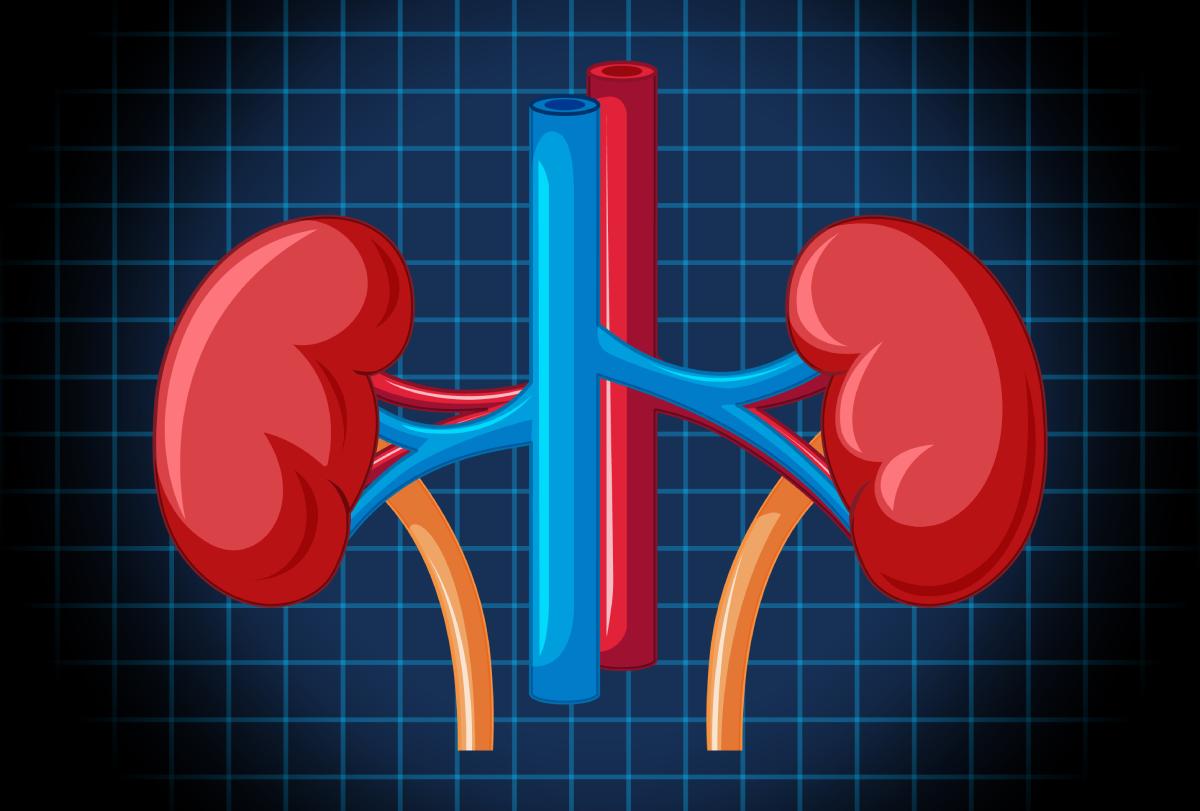
Kidneys also have a critical function of the preserving overall health through the process of the filtering waste substances and excess fluid from the bloodstream. Kidney damage can cause due to various factors, inhibiting their capacity to function appropriately. The universal causes of kidney damage and following the preventive actions that are essentially lower the odds of the kidney disease are:
Common Causes of Kidney Damage
- Diabetes: The high blood sugar levels related with the diabetes can damage the kidneys over time, making the diabetes that lead the cause of chronic kidney disease (CKD).
- High Blood Pressure: Hypertension exerts the excessive pressure on the blood vessels in the kidneys that lead to damage and impaired function. It is the second most common cause of the CKD.
- Glomerular Diseases: The glomerular diseases that cause the inflammation of the kidney's filtering units, leading to decreased kidney function.
- Polycystic Kidney Disease: The polycystic kidney disease that cause the genetic disorder leads to the growth of numerous cysts in the kidneys, impairing their function.
- Autoimmune Diseases: The autoimmune diseases like lupus that can cause the immune system to attack the kidneys, leading to tenderness and damage.
- Urinary Tract Obstructions: The urinary tract obstructions are such as kidney stones or an inflated prostate can block the flow of the urine that causes the pressure and potential kidney damage.
- Use of Tobacco Products: The use of tobacco product that is smoking and tobacco that can reduce blood flow to the kidneys and increase the risk of kidney disease.
Preventive Measures
- Manage Blood Sugar Levels: To manage the blood sugar level the individual should have the diabetes that maintains the optimal blood sugar level that is crucial. It also regulate and monitor and adherence the prescribed the medications that can help to prevent the kidney complications.
- Control Blood Pressure: To control the blood pressure is to regulate and monitor he management of the blood pressure through the lifestyle medications that can reduce the risk of the kidney damage.
- Adopt a Healthy Diet: It also adopt and consume a balanced diet rich in fruits, vegetables and low-fat dairy products while the reduce the salt and add sugars supports with kidney health.
- Engage in Regular Physical Activity: To engage in the regular physical activity that helps to maintain the healthy weight, with lower the blood pressure, and reduces the risk of the kidney disease.
- Avoid Smoking and Tobacco Use: To avoid the smoking and tobacco use also quit the products that can significantly to reduce the risk of the kidney disease and improve overall health.
- Stay Hydrated: To drink the adequate water helps the kidneys clear sodium and toxins from the body, reducing the risk of kidney stones and infections.
- Limit Over-the-Counter Painkillers:There should be limit in the counter of the painkiller and have excessive painkillers like ibuprofen that can cause the kidney damage.
- Regular Health Check-ups: The Routine medical examinations can detect early signs of kidney dysfunction, allowing for timely intervention and management.
Conclusion
It can be concluded that the common causes of kidney damage and implementing these preventive strategies, individuals can significantly reduce their risk of developing kidney disease. Proactive management of health through lifestyle choices, regular medical consultations, and undergoing a kidney function test when necessary is essential for maintaining optimal kidney function and overall well-being.
Kidney
5 Overlooked Signs of Kidney Disease in Diabetics
Kidney disease, especially diabetic nephropathy, is a significant issue for people with diabetes. High blood sugar can harm the blood vessels in the kidneys over time, affecting their ability to filter waste and excess fluid from the body. Many diabetes patients know that their condition can harm their kidneys, but they often miss early signs of kidney disease. Addressing these subtle symptoms early can help manage the condition and promote better health outcomes.
Here are five commonly ignored symptoms of kidney disease for people living with diabetes:
1. Foamy Urine:
One of the first signs of kidney trouble is protein in the urine. When the kidneys are damaged, proteins like albumin can leak into urine, making it look foamy or bubbly. People often think foamy urine is normal, but it can indicate stress on the kidneys.
2. Frequent Nighttime Urination:
Diabetes can lead to frequent urination, especially at night. If the kidneys aren’t filtering waste effectively, this can worsen, leading to more nighttime trips to the bathroom. Many people blame this on drinking too much before bed or aging, not realizing it might be a kidney issue.
3. Swelling in Feet and Ankles:
Diabetic nephropathy can cause a buildup of waste and fluid, resulting in swelling in the feet, ankles, and sometimes hands. This swelling occurs because the kidneys can’t balance fluid and sodium. People might mistake it for weight gain or sitting too long, ignoring it as a warning sign.
4. Nighttime Leg Cramps:
Leg cramps, especially at night, can be another overlooked sign of kidney issues. They often happen due to imbalances in electrolytes, like calcium and potassium, which the kidneys normally regulate. Many diabetics dismiss these cramps as dehydration or lack of exercise.
5. Unexplained Fatigue:
As kidney function declines, waste builds up in the blood, leading to tiredness. The kidneys also produce a hormone vital for making red blood cells. If the kidneys are damaged, less of this hormone is produced, leading to anemia and increased fatigue. Diabetics might chalk this up to their diabetes, missing the link to kidney health.
Importance of Early Detection
Regular monitoring of kidney health through blood and urine tests is crucial for diabetes patients. Early detection can prevent severe complications like end-stage renal disease, which often requires dialysis or a kidney transplant.
Tips for Maintaining Kidney Health:
- Keep blood sugar levels stable.
- Manage blood pressure effectively.
- Follow a kidney-friendly diet.
- Limit painkiller use.
- Exercise regularly and maintain a healthy weight.
- Reduce salt and processed food intake.
By being aware of these symptoms and taking preventive measures, individuals with diabetes can help protect their kidney health.