Book on Whatsapp
9892101616

Understanding Kidney Stones: Early Warning Signs and Dietary Solutions
Kidney
Tue Mar 19 2024
Kidney stones can cause a range of symptoms, and the early warning signs can vary from person to person. However, some common early signs and symptoms of kidney stones include:
Kidney Stones Symptoms
1. Pain: One of the most prominent early warning signs of kidney stones is severe pain. This pain can be sudden and intense, often described as waves of sharp, stabbing pain that can come and go. The pain usually starts in the back, side, or abdomen and can radiate to the groin area.
2. Painful Urination: People with kidney stones may experience pain or a burning sensation when urinating. This discomfort can be due to the movement of the stone through the urinary tract, causing irritation.
3. Blood in Urine: Another early sign of kidney stones is the presence of blood in the urine, known as hematuria. The urine may appear pink, red, or brownish due to the bleeding caused by the stone's movement through the urinary tract.
4. Frequent Urination: Some individuals with kidney stones may feel an increased urge to urinate more frequently than usual. This can be due to the irritation caused by the stone or an obstruction in the urinary tract.
5. Nausea and Vomiting: Kidney stones can sometimes lead to feelings of nausea and vomiting. This can occur as a result of severe pain or as the body's response to the presence of a kidney stone.
6. Fever and Chills: In some cases, kidney stones can cause infection or inflammation in the urinary tract, leading to symptoms such as fever and chills. This is more common when the stone causes a blockage in the urinary tract, preventing the flow of urine.
7. Difficulty Passing Urine: As the kidney stone moves down the urinary tract, it may obstruct the normal flow of urine, causing difficulty or pain during urination. A feeling of incomplete emptying of the bladder can accompany this.
It is important to note that not everyone with kidney stones will experience all these symptoms, and some individuals may have different or milder signs. If you suspect you have kidney stones or experience severe symptoms, it is essential to seek medical attention promptly for an accurate diagnosis and appropriate treatment.
Causes of Kidney Stones:
1. Dehydration: Taking care of Hydration is important. Not drinking enough water can lead to concentrated levels of minerals in the urine, increasing the risk of kidney stone formation.
2. High Levels of Certain Minerals in the Urine: Kidney stones are often made of calcium, oxalate, or uric acid. High levels of these substances in the urine can contribute to the formation of stones.
3. Family History: If someone in your family has had kidney stones, you may be more likely to develop them as well.
4. Best Diet for Kidney Stones: Diets high in protein, salt, or sugar can increase the risk of kidney stone formation.
5. Medical Conditions: Conditions such as hyperparathyroidism, urinary tract infections, or certain metabolic disorders can increase the risk of kidney stones.
Diagnosis of Kidney Stones:
1. Imaging tests: Techniques like CT scans, X-rays, ultrasounds, and intravenous pyelograms (IVP) are commonly used to visualize kidney stones in the urinary tract.
2. Urinalysis: Analysis of a urine sample can help detect the presence of blood, crystals, or other substances that may indicate the presence of kidney stones.
3. Blood tests: Blood tests can help identify levels of certain minerals that contribute to kidney stone formation.
4. Stone analysis: If a kidney stone is passed or removed, analyzing its composition can provide valuable information for prevention strategies.
Kidney Stone Prevention is crucial to maintaining healthy kidneys. It is crucial to seek medical attention if you suspect you have kidney stones to receive an accurate diagnosis and appropriate treatment.
Manipal TRUtest offers a wide range of diagnostic services with assured quality, accuracy, and trust backed by 70 years of Manipal legacy. You can easily schedule a blood test such as Diabetes profile test, HbA1c, CBC, Kidney Function Test, Lipid Profile, Liver Function Test, Vitamin Test. Thyroid Profile. through our WhatsApp Chatbot, Mobile App, or Website. We also provide the convenience of a Home Sample Collection, where a highly qualified phlebotomist will visit you in the comfort of your home.
OUR PRESENCE
Blood Test Center in Hyderabad / Blood Test Center in Kolkata / Blood Test Center in Vizag / Blood Test Center in Mumbai / Blood Test Center in Ghatkopar / Blood Test Center in Kolhapur / Blood Test Center in Pune / Blood Test Center in Solapur / Blood Test Center in Rohtak / Blood Test Center in Indore / Blood Test Center in Gurugram / Blood Test Center in Ghaziabad/ Blood Test Center in Bangalore / Blood Test Center in Nashik / Blood Test Center in Nagpur/ Blood Test Centre in Chennai
References:
https://www.mayoclinic.org/diseases-conditions/kidney-stones/symptoms-causes/syc-20355755]
https://my.clevelandclinic.org/health/diseases/15604-kidney-stones
Related Blogs
Kidney
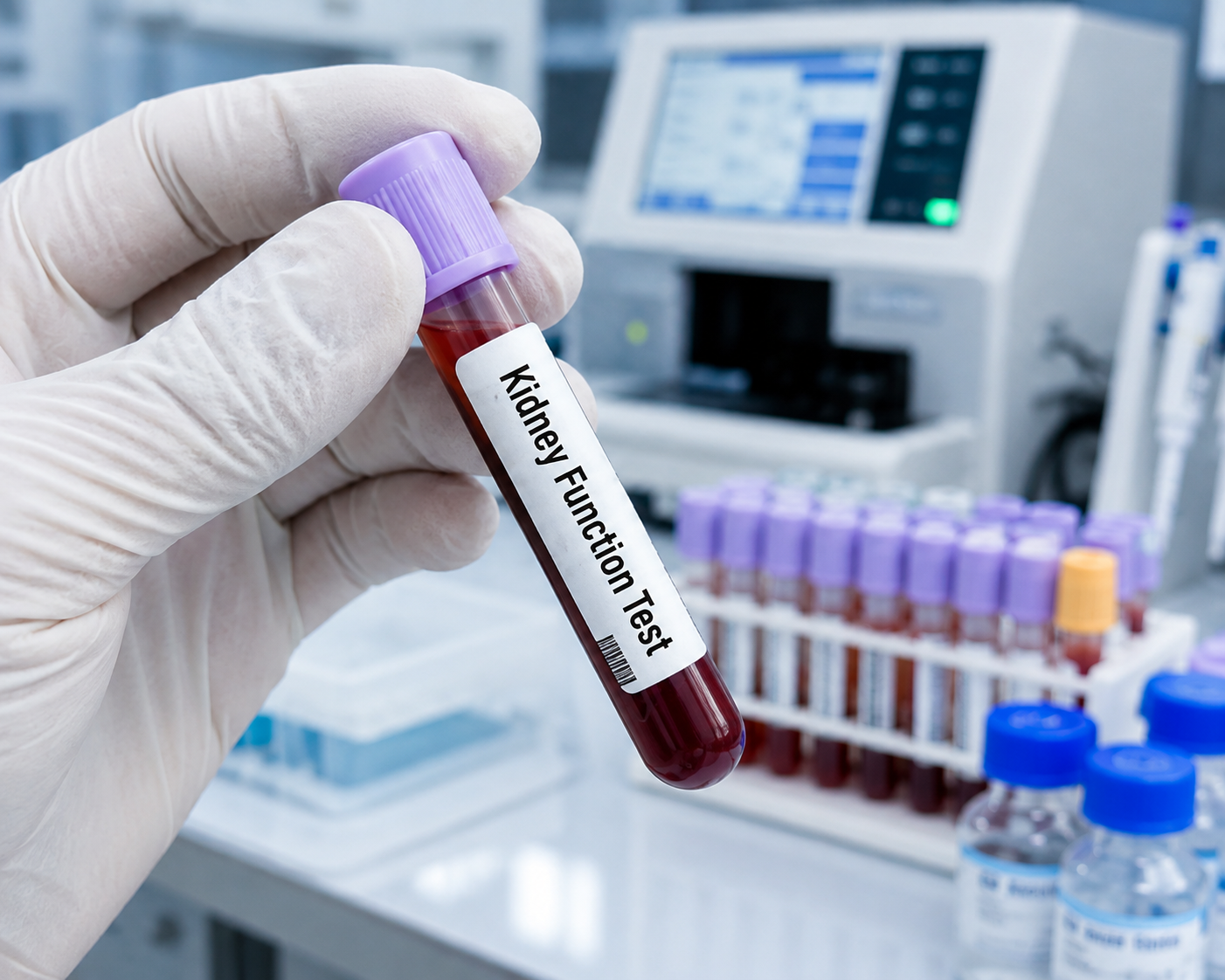
Kidney Function Test (KFT): Parameters, Normal Range, Uses, and Price
Key Takeaways
- Kidney Function Test (KFT): A group of tests used to assess kidney health and function
- KFT includes: Creatinine, urea, uric acid, electrolytes, eGFR and other parameters, depending on the profile
- Common uses: Screening, monitoring diabetes or blood pressure, assessing kidney disease risk, and reviewing values outside the reference range.
- Sample required: Usually blood; urine may also be required in selected cases
- Fasting requirements: Not always, but follow the instructions given by your doctor or diagnostic centre
Your kidneys do a lot more than you may realise, and most of it happens quietly in the background. A Kidney Function Test, also known as a KFT, is a simple way to check how well these hard-working organs are doing. Whether it is part of a routine health check-up, advised for diabetes or blood pressure monitoring, or suggested to understand certain symptoms better, a KFT can offer useful insights into your kidney health. In this article, we will walk you through what the test includes, how it is done, how to read the normal range, when it may be needed, and what factors can affect the test price.
What is a Kidney Function Test?
A Kidney Function Test (KFT), also commonly referred to as kidney profile test or kidney function profile, is a diagnostic test profile used to assess how efficiently the kidneys are filtering waste from the blood. It refers to a group of multiple kidney-related parameters that are checked together to give a broader view of kidney health.
KFT is commonly done through a blood sample and may include urine-based tests in selected cases. In some cases, urine-based tests may also be recommended to understand how the kidneys are handling waste and protein.
A Kidney Function Test is not only advised when kidney disease is suspected. It may also be recommended for people with diabetes, high blood pressure, swelling, urinary changes, or those taking medicines that may affect kidney function.
What are the Parameters Tested in a Kidney Function Test?
If you are wondering what tests are done to check kidney function, the exact test list may vary depending on the lab, doctor’s advice, symptoms, and medical history. However, most KFT profiles include important blood markers that help assess filtration, waste removal, and electrolyte balance.
Common Kidney Function Test (KFT) Parameters
| KFT Parameter | What It Helps Assess |
| Serum Creatinine Test | Measures creatinine, a waste product filtered by the kidneys |
| Urea / Blood Urea Nitrogen | Checks waste formed from protein breakdown |
| Uric Acid | Helps assess uric acid levels, which may be linked to kidney or metabolic concerns |
| eGFR | Estimates how well the kidneys are filtering blood |
| Sodium | Helps assess fluid and electrolyte balance |
| Potassium | Important for kidney, heart and muscle function |
| Chloride | Helps evaluate fluid and acid-base balance |
| Calcium and Phosphorus | May be included to assess mineral balance |
| Urea Random Urine Test | May be advised to check urea levels in urine |
| Urea, 24-Hour Urine Test | Measures urea excretion over a full day in selected cases |
A kidney function test (KFT) includes different parameters depending on whether it is a basic or advanced profile. Some people may also be advised additional tests such as urine routine examination, urine protein test, ultrasound, or a Nephrotic syndrome gene panel test, depending on symptoms and clinical findings.
What Does KFT Include and Not Include?
| KFT Can Help Assess | KFT May Not Directly Confirm |
| Kidney filtration efficiency | Exact cause of kidney damage |
| Creatinine and urea levels | Kidney stones in every case |
| Electrolyte balance | Structural kidney abnormalities |
| eGFR estimate | Genetic kidney disorders |
| Waste levels in blood | Stage or type of kidney disease without further evaluation |
Depending on the report, your doctor may suggest additional tests such as urine routine examination, urine protein test, ultrasound, serum creatinine test, urea random urine test, Urea, 24-Hour Urine Test, or specialised tests.
Is KFT a Blood Test or a Urine Test?
A kidney function test (KFT) is commonly done as a blood test. The KFT blood test checks levels of creatinine, urea, uric acid, electrolytes and other kidney-related markers in the blood. These values help doctors understand whether the kidneys are clearing waste efficiently.
In some cases, urine tests may also be advised. For example, a Urea Random Urine Test or Urea, 24-Hour Urine Test may be recommended when doctors need additional information about waste excretion, protein loss, or kidney function over time.
How is the Kidney Function Test Done?
If you are searching for ‘how to test kidney function’ or ‘how is a kidney function test done?’, the process is usually simple and quick.
A trained phlebotomist collects a small blood sample from a vein, usually from the arm. The sample is then sent to the laboratory for testing. If a urine sample is required, you may be asked to provide a random urine sample or collect urine over 24 hours, depending on the test prescribed.
Preparation Required Before KFT
Preparation for a KFT is usually simple. However, you should follow the instructions given by your doctor or diagnostic centre.
- Fasting is not always required for KFT, unless advised.
- Drink water normally, unless you have been told to restrict fluids.
- Inform your doctor about ongoing medicines or supplements.
- Avoid intense exercise before the test if advised, as it may affect some values.
- For a 24-hour urine test, follow the collection instructions carefully.
- Do not stop any prescribed medicine without medical advice.
KFT Normal Range: How to Read Your Report
The KFT normal range helps compare your results with general reference values. However, the kidney function test normal range may vary slightly depending on the laboratory, testing method, age, sex, body size, hydration status and medical history.
The values below are general reference ranges. Your test report should always be reviewed by a doctor, especially if any value is high, low, or marked abnormal.
KFT Normal Range Chart
| Parameter | General Normal Range | What Abnormal Results May Suggest |
| Serum Creatinine | Men: around 0.7–1.3 mg/dL; Women: around 0.5–1.1 mg/dL | Reduced kidney filtration, dehydration, muscle mass-related variation or other factors |
| Blood Urea Nitrogen / Urea | Around 6–24 mg/dL, depending on lab range | Dehydration, high protein intake, kidney concerns or other causes |
| Uric Acid | Varies by age and sex | Gout risk, kidney stone risk or metabolic factors |
| Sodium | Around 135–145 mmol/L | Fluid or electrolyte imbalance |
| Potassium | Around 3.5–5.0 mmol/L | Kidney function issues, medicine effect or electrolyte imbalance |
| eGFR | Usually above 90 mL/min/1.73 m² is considered healthy in many adults | Lower values may suggest reduced filtration, but must be interpreted with age and other findings |
Note: Reference ranges may vary by laboratory. Please refer to the range mentioned on your Manipal TRUtest report.
The KFT normal range is only one part of the report interpretation. Kidney function test normal values should be understood along with symptoms, medical history, urine findings, previous reports and the doctor’s evaluation.
How to Understand Your Kidney Function Test (KFT) Report?
A KFT report may look technical, but a few simple points can help you understand it better.
- Creatinine, urea and eGFR are usually interpreted together.
- A single abnormal value does not always confirm kidney disease.
- Dehydration, diet, medicines, exercise and muscle mass can affect results.
- eGFR helps estimate how efficiently the kidneys are filtering blood.
If kidney function test results are abnormal, your doctor may advise repeat testing or additional investigations.
Do not self-diagnose based only on a KFT report. Always speak to a doctor if your results are outside the reference range.
What Do High or Abnormal Results Mean?
High or abnormal results in KFT may suggest changes in kidney filtration, hydration status, electrolyte balance or other health factors. However, abnormal values do not always mean kidney failure.
High creatinine may be linked to reduced kidney filtration, dehydration, high muscle mass, certain medicines, or other health conditions. High urea may occur due to dehydration, increased protein intake, kidney-related concerns or other medical factors. Low eGFR may suggest reduced kidney filtration, especially if it remains low over time.
Your doctor may compare your kidney function test report with previous results, urine tests, blood pressure, diabetes status, medicine history, and symptoms before reaching a conclusion.
What are the Uses of the Kidney Function Test?
A Kidney Function Test is used for screening, diagnosis support and monitoring. It helps doctors assess how well the kidneys are performing important functions.
Common uses of the kidney function test include:
- Routine kidney health screening
- Monitoring people with diabetes
- Monitoring people with high blood pressure
- Assessing the impact of certain medicines on the kidneys
- Evaluating symptoms such as swelling, fatigue or urinary changes
- Monitoring known kidney disease
- Follow-up after abnormal urine or blood reports
- Pre-surgery or pre-treatment assessment in selected cases
A kidney function profile may also be part of a preventive health check-up, especially for people with risk factors for kidney disease.
When Should You Get a Kidney Function Test Done?
You may consider a KFT, if you have symptoms or risk factors that may affect kidney health.
A doctor may advise a Kidney Function Test if you have:
- Swelling in the feet, ankles, hands or face
- Frequent urination or reduced urination
- Foamy or blood-tinged urine
- Persistent fatigue or weakness
- High blood pressure
- Diabetes
- Family history of kidney disease
- Recurrent urinary problems
- Long-term use of medicines that may affect kidney function
- Existing kidney disease that needs monitoring
Timely testing can help detect changes early and support better medical decision-making.
Kidney Function Test (KFT) Price: What Factors Affect the Cost?
The price of kidney function test may vary depending on the city, diagnostic centre, number of parameters included and whether home sample collection is selected. The KFT blood test price may also differ if the test is booked as a standalone test or as part of a health package.
Common factors that affect the kidney function test price include:
- Location or city
- Diagnostic centre or lab
- Basic or advanced KFT list
- Home collection availability
- Whether urine tests are included
- Report turnaround time
- Preventive health package inclusion
- Offers or online booking options
Before booking, it is useful to check what KFT includes and whether the listed price covers all required parameters. At Manipal TRUtest, the focus is on making quality diagnostics more accessible, affordable, accurate and transparent for everyone.
What are the Next Steps After a Kidney Function Test?
After receiving your kidney function test results, the next step is to review the report with a qualified doctor. Even if only one value is abnormal, it should be understood in context.
Your doctor may advise:
- Repeat KFT after a few days or weeks
- Serum Creatinine Test for follow-up
- Urine routine or urine protein test
- Urea Random Urine Test or Urea, 24-Hour Urine Test
- Blood pressure and diabetes monitoring
- Kidney ultrasound
- Medicine review
- Diet and lifestyle changes
- Referral to a specialist, if needed
If there is a suspected inherited or complex kidney condition, specialised tests such as a Nephrotic syndrome gene panel test may be considered in selected cases.
Take the First Step Towards Better Kidney Health
A Kidney Function Test helps assess key kidney health parameters such as creatinine, urea, electrolytes and eGFR. However, the results should always be interpreted with medical guidance, as factors such as age, hydration, medicines, diet and medical history can influence the report. If your KFT report shows abnormal values, consult a doctor to understand the cause and the right next steps.
For those advised to get tested, Manipal TRUtest offers Fast, Accurate, and Reliable diagnostics backed by advanced technology, quality processes, home collection, timely reports and affordable pricing. You can create a free account to book your Kidney Function Test online, manage appointments, access reports and receive updates. Alternatively, you can book the test via Whatsapp. To find a Manipal TRUtest centre near you, click here. For assistance, email us at contact info@manipaltrutest.com, call +91 989 210 1616, or visit our contact form.

Kidney
Early Signs of Kidney Problems in Diabetic Patients
Diabetes is a chronic metabolic disorder that affects millions worldwide. While managing blood sugar levels is crucial for overall health, diabetic patients are particularly vulnerable to complications affecting vital organs. Among these, kidney problems, or diabetic nephropathy, represent a significant cause of morbidity and mortality. Early identification of kidney issues in diabetic individuals is essential to prevent progression to chronic kidney disease (CKD) or even kidney failure. Understanding the early signs of kidney problems can empower patients to seek timely medical intervention and safeguard their health.
Why Are Diabetic Patients at Risk?
High blood glucose levels over time damage the delicate blood vessels in the kidneys, impairing their ability to filter waste and excess fluids from the blood. This damage can lead to the gradual loss of kidney function. Diabetic nephropathy is one of the leading causes of end-stage renal disease globally, making it imperative for diabetic patients to monitor their kidney health regularly.
Early Signs of Kidney Problems in Diabetic Patients
Recognizing early symptoms can be challenging because kidney damage initially may not produce noticeable signs. However, certain subtle changes often indicate emerging kidney dysfunction:
- Proteinuria (Presence of Protein in Urine):
One of the earliest indicators of kidney damage is the leakage of protein, primarily albumin, into the urine. Healthy kidneys retain protein, but when damaged, they allow it to pass into urine, known as albuminuria or microalbuminuria. This sign often goes unnoticed without proper testing, but it is a critical marker for diabetic nephropathy.
- Swelling (Edema):
As kidney function declines, excess fluid may accumulate in the body, causing swelling, especially in the hands, feet, ankles, or around the eyes. This puffiness is a sign that the kidneys are struggling to maintain the body’s fluid and electrolyte balance.
- Fatigue and Weakness:
Reduced kidney function can lead to the buildup of waste products and toxins in the bloodstream, resulting in feelings of fatigue, weakness, and lack of energy. These symptoms might also be linked to anemia, which is common in kidney disease.
- Changes in Urination Patterns:
Diabetic patients may notice alterations in their urinary habits, such as increased frequency, especially at night (nocturia), foamy urine due to protein presence, or difficulty urinating. Such changes warrant prompt medical evaluation.
- Elevated Blood Pressure:
High blood pressure and kidney problems often coexist and exacerbate each other. Uncontrolled hypertension can both cause and worsen kidney damage, making blood pressure monitoring vital in diabetics.
Importance of Regular Screening
Since early kidney damage often lacks obvious symptoms, regular screening is the cornerstone of prevention. Diabetic patients should undergo annual tests to check for microalbuminuria and kidney function parameters such as serum creatinine and estimated glomerular filtration rate (eGFR). Early detection through these tests allows for timely interventions, including medication adjustments, lifestyle changes, and strict blood sugar and blood pressure control.
Preventive Measures and Management
To reduce the risk or slow the progression of kidney disease, diabetic patients should:
- Maintain optimal blood sugar levels through diet, exercise, and medication adherence.
- Monitor and control blood pressure meticulously.
- Avoid nephrotoxic substances like excessive NSAIDs and certain antibiotics.
- Stay well-hydrated and adopt a kidney-friendly diet low in salt and protein if advised by a healthcare professional.
- Regularly consult healthcare providers for comprehensive management.
Kidney problems in diabetic patients are a silent but serious threat that requires vigilance and proactive care. Early signs such as proteinuria, swelling, fatigue, and changes in urination patterns should never be ignored. Regular screening and a disciplined approach to diabetes management are crucial to preserving kidney function and overall health. By recognizing these early warning signs and seeking timely medical advice, diabetic patients can significantly reduce the risk of severe kidney damage and lead healthier lives.
If you have diabetes, prioritize kidney health today. Talk to your doctor about getting screened regularly and adopting preventive strategies to protect your vital organs.
Kidney
Common Causes of Kidney Damage and How to Prevent Them
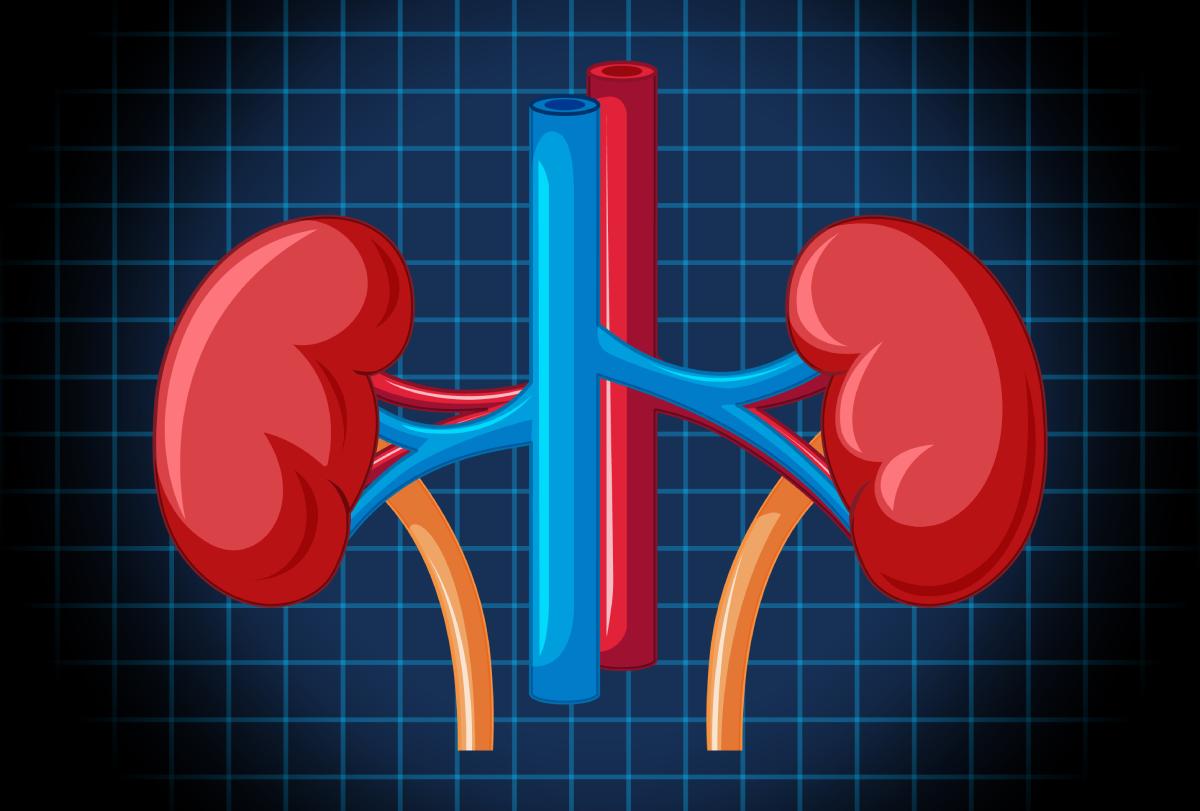
Kidneys also have a critical function of the preserving overall health through the process of the filtering waste substances and excess fluid from the bloodstream. Kidney damage can cause due to various factors, inhibiting their capacity to function appropriately. The universal causes of kidney damage and following the preventive actions that are essentially lower the odds of the kidney disease are:
Common Causes of Kidney Damage
- Diabetes: The high blood sugar levels related with the diabetes can damage the kidneys over time, making the diabetes that lead the cause of chronic kidney disease (CKD).
- High Blood Pressure: Hypertension exerts the excessive pressure on the blood vessels in the kidneys that lead to damage and impaired function. It is the second most common cause of the CKD.
- Glomerular Diseases: The glomerular diseases that cause the inflammation of the kidney's filtering units, leading to decreased kidney function.
- Polycystic Kidney Disease: The polycystic kidney disease that cause the genetic disorder leads to the growth of numerous cysts in the kidneys, impairing their function.
- Autoimmune Diseases: The autoimmune diseases like lupus that can cause the immune system to attack the kidneys, leading to tenderness and damage.
- Urinary Tract Obstructions: The urinary tract obstructions are such as kidney stones or an inflated prostate can block the flow of the urine that causes the pressure and potential kidney damage.
- Use of Tobacco Products: The use of tobacco product that is smoking and tobacco that can reduce blood flow to the kidneys and increase the risk of kidney disease.
Preventive Measures
- Manage Blood Sugar Levels: To manage the blood sugar level the individual should have the diabetes that maintains the optimal blood sugar level that is crucial. It also regulate and monitor and adherence the prescribed the medications that can help to prevent the kidney complications.
- Control Blood Pressure: To control the blood pressure is to regulate and monitor he management of the blood pressure through the lifestyle medications that can reduce the risk of the kidney damage.
- Adopt a Healthy Diet: It also adopt and consume a balanced diet rich in fruits, vegetables and low-fat dairy products while the reduce the salt and add sugars supports with kidney health.
- Engage in Regular Physical Activity: To engage in the regular physical activity that helps to maintain the healthy weight, with lower the blood pressure, and reduces the risk of the kidney disease.
- Avoid Smoking and Tobacco Use: To avoid the smoking and tobacco use also quit the products that can significantly to reduce the risk of the kidney disease and improve overall health.
- Stay Hydrated: To drink the adequate water helps the kidneys clear sodium and toxins from the body, reducing the risk of kidney stones and infections.
- Limit Over-the-Counter Painkillers:There should be limit in the counter of the painkiller and have excessive painkillers like ibuprofen that can cause the kidney damage.
- Regular Health Check-ups: The Routine medical examinations can detect early signs of kidney dysfunction, allowing for timely intervention and management.
Conclusion
It can be concluded that the common causes of kidney damage and implementing these preventive strategies, individuals can significantly reduce their risk of developing kidney disease. Proactive management of health through lifestyle choices, regular medical consultations, and undergoing a kidney function test when necessary is essential for maintaining optimal kidney function and overall well-being.